
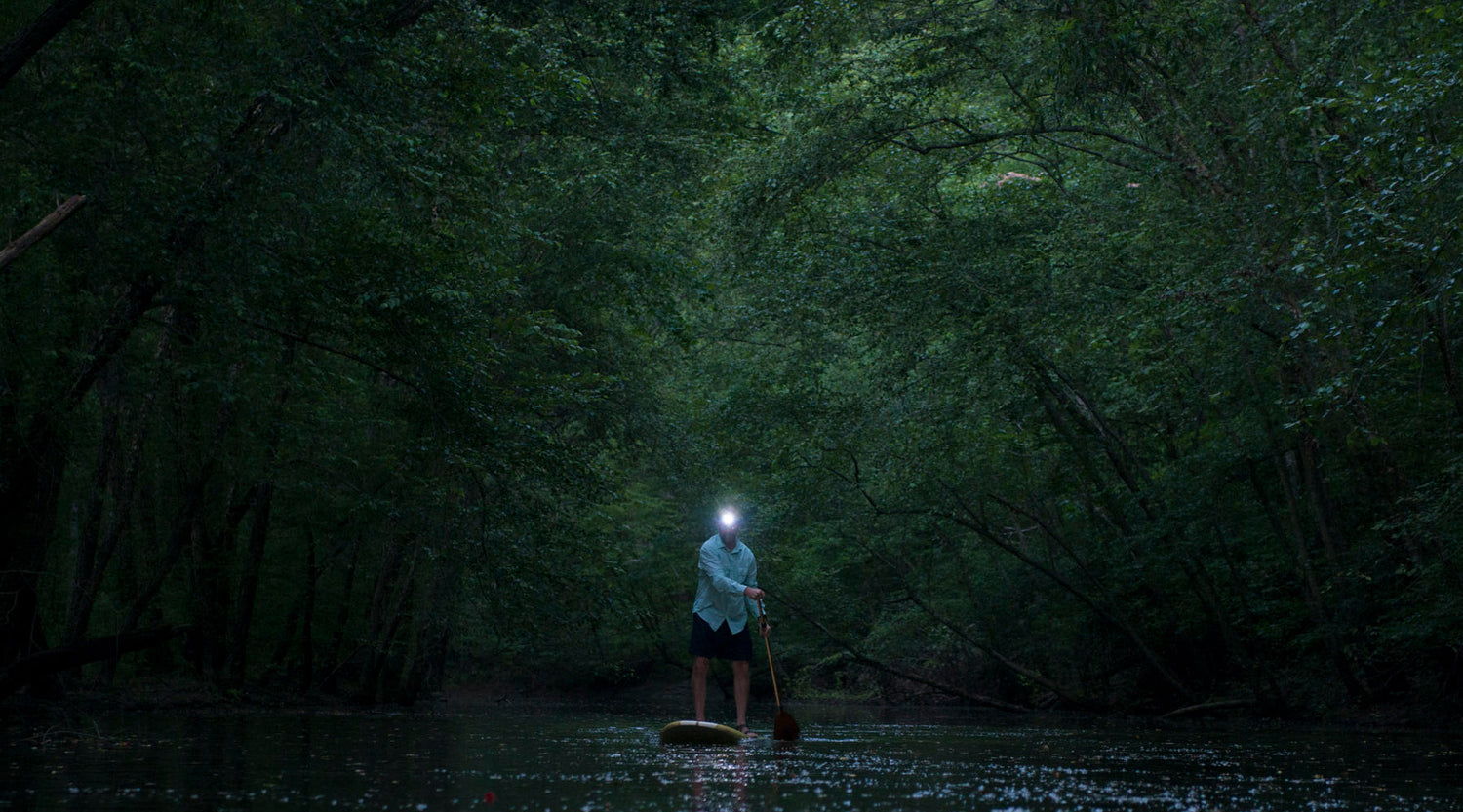
There's a reason campers reach for a headlamp before anything else once the sun goes down. It's the one light source that doesn't tie up a hand, which matters a lot more than it sounds like once you're trying to cook dinner, set up a tent, or find your way to the bathroom without stepping on a tent stake.
So let’s take a deep dive into everything you need to know about camping headlamps.
What Are the Benefits of a Camping Headlamp
The obvious one: your hands stay free. That's the whole point of a headlamp, and it's a bigger deal at a campsite than almost anywhere else. You're constantly doing two things at once when you’re out in the wilderness, holding a tent pole while staking it down, stirring a pot while digging through a cooler, reading a map while adjusting a pack strap. A flashlight forces you to choose between the task and the light. A headlamp doesn't.
There's also the beam control. Because the light moves with your head, you're always looking at exactly what's lit, no aiming, no propping a flashlight against something and hoping it points the right way.
And for group camping, a headlamp means you're not the person hogging the one lantern while everyone else stumbles around in the dark. Everyone gets their own light, pointed wherever they need it. Just try not to point it at each other.
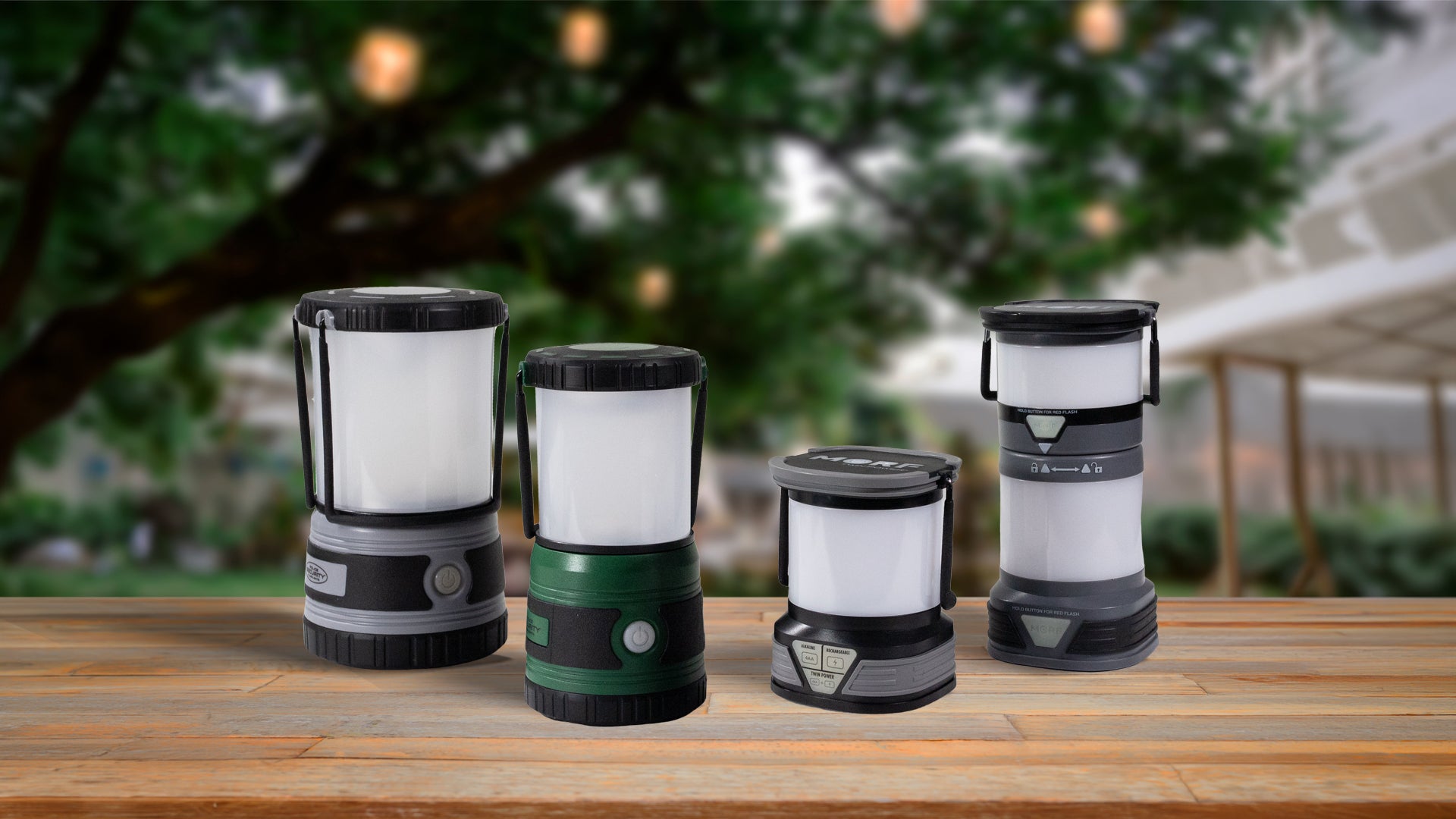
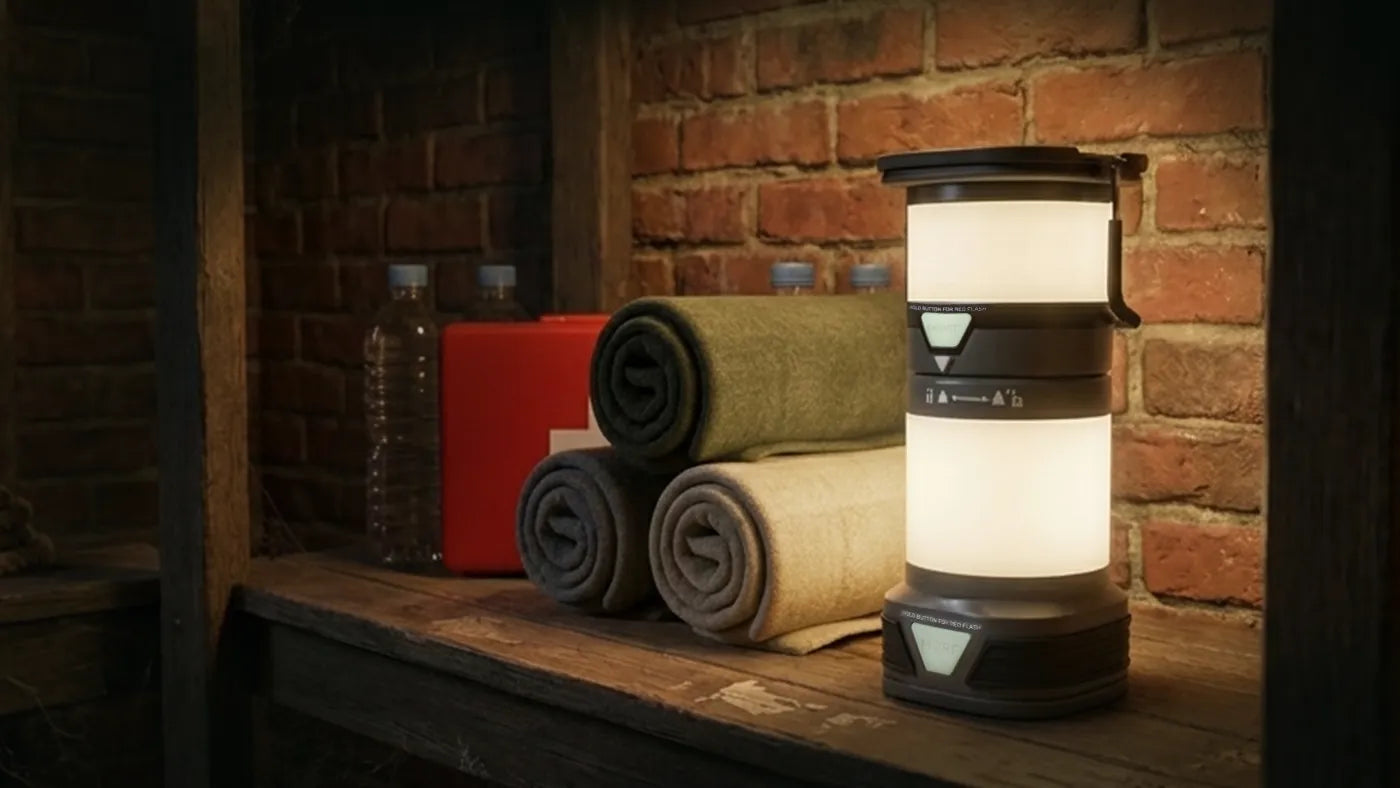
Not sure whether a headlamp is the right call versus a lantern or flashlight for your trip? Our Camping Lanterns & Flashlights: The Complete Guide breaks down when each one makes the most sense.

What to Look For in a Camping Headlamp
Runtime
This is the number that actually determines whether your headlamp survives the trip. A headlamp that's brilliant for three hours and dead by dinner isn't much use on a multi-night trip. Check the max runtime at a realistic brightness setting, not just the peak lumen number on the box.
Here's why that distinction matters: say you're comparing two headlamps. Headlamp A claims 1000 lumens and 4 hours of runtime at full brightness. Headlamp B claims 700 lumens with 21 hours of runtime. On paper, Headlamp A looks like the more impressive light. But if you're actually camping for a weekend and mostly using low or medium brightness around camp, Headlamp B is the one still working on night three, while Headlamp A tapped out after a single evening at full power. The lumen number gets the attention, but runtime at the setting you'll realistically use is what determines whether you're still lit up on the last night of the trip.
Brightness modes
We touched on this a little bit above, but let’s get further into it. You don't need max brightness every time you turn the light on. In fact, it’s better if you conserve battery energy. A headlamp with high, low, and sometimes turbo modes lets you dial in exactly what the moment calls for, low for reading in the tent, high for finding a trail marker in the dark.
Red-light or night vision option
Worth having if you're camping with other people. A red light setting preserves your night vision and doesn't blast your tentmates awake when you're just looking for your water bottle at 2 a.m.
Weight and comfort
You'll likely wear this thing for hours at a stretch, around the neck or on your head. An adjustable strap and a lightweight build make a real difference by the end of a long evening. If you're backpacking, weight matters even more, every ounce on your head adds up over a full day on trail.
Beam distance
Setting up camp only needs a short-range, wide beam. Navigating a dark trail benefits from a longer throw. Not every headlamp needs to do both well, so think about which one matters more for how you'll actually use it.
Top Picks for Camping Headlamps
Best Overall: COLT-R Rechargeable Headlamp

The COLT-R headlamp hits a genuinely useful balance: 400 lumens, a 140-meter beam distance, and high, low, and turbo modes, all in a comfortable, adjustable package with a pivoting head so you can angle the light exactly where you need it. It's built with camping specifically in mind, along with mechanics, DIY tasks, and outdoor activities in general, so it's not a one-trip wonder. Rechargeable via a Li-Polymer battery, and backed by PSF's limited lifetime warranty.
Best suited for: campers who want one reliable headlamp that can handle everything from setting up camp to a nighttime trail walk, without needing to think too hard about which mode to use for which task. A solid pick for solo trips and family campsites alike.
Best for Long Trips: MORF R700 3-in-1 Headlamp

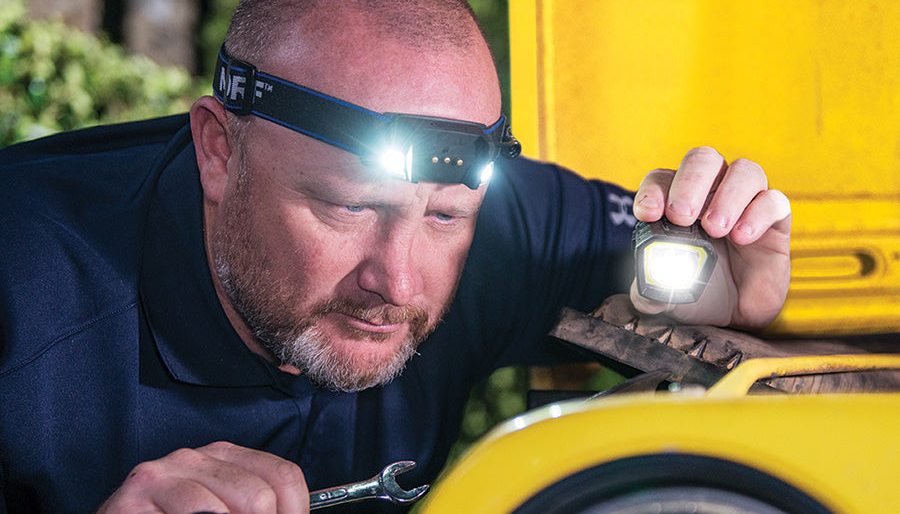
If runtime is your top priority, the MORF R700 headlamp is the standout here: up to 21 hours max runtime at 700 lumens, which covers a lot more ground than most headlamps in this category. It's also a 3-in-1 design, headlamp, detachable flashlight, and magnetic light, so you get more flexibility out of one piece of gear. Impact- and water-resistant construction means it can handle the actual conditions of a multi-night trip, not just a backyard test run.
Best suited for: multi-night backpacking or extended car camping trips where recharging isn't a guarantee. The detachable flashlight mode is also a nice bonus for anyone who wants one piece of gear to cover both hands-free and directional lighting instead of packing two separate lights.
Brightest Overall: BLACKOUT-R 1000 Lumen Rechargeable Headlamp

When you want maximum output, the Blackout-R is the clear pick: 1000 lumens with a 105-meter beam distance, backed by Slide Focus optics, three light modes, and a pivoting head for extra flexibility. A 3000mAh lithium-polymer rechargeable battery keeps it running, and the adjustable straps mean that extra brightness doesn't come at the cost of comfort.
Best suited for: campsites that need serious area coverage, group camping where one bright light benefits everyone nearby, or anyone who just wants the most light available without stepping up to a dedicated lantern. Worth knowing that higher lumens does mean faster battery drain, so it's less of a fit if your priority is stretching a single charge over a multi-night trip.
Best for Hunting and Camping Combined: Long Throw 500 Lumen Rechargeable Headlamp

For anyone splitting time between camping and hunting, the Long Throw headlamp is built around a different priority than the picks above: distance. Its Extreme Beam Technology pushes visibility out to 460 meters, roughly a third of a mile, at 500 lumens, with a twist-focus and pivoting head for dialing in precision. This headlamp is especially useful for night navigation, hunting, and long-distance outdoor exploration, so it's purpose-built for wide-open terrain rather than close-up campsite tasks.
Best suited for: hunters and campers who spend time in open fields, wide clearings, or terrain where spotting movement or landmarks at a distance matters more than lighting up a nearby task. Less necessary if most of your headlamp use is centered around the tent and campsite itself, where a shorter, wider beam (like the COLT-R) will actually serve you better.
Best Value: Ryder 350 Headlamp

At $14.99, the Ryder is the most affordable pick on this list by a wide margin, and it doesn't skimp on the essentials. It puts out 350 lumens on high (135 on low) with a 150-meter beam distance, multi-beam functionality, and a red night vision mode, extremely useful features you'd expect to pay more for. It runs on 3 AAA batteries (included), with up to 4 hours of runtime on low and 2 hours on high. Lightweight, compact, and built with an adjustable headband for all-day comfort.
Best suited for: budget-conscious campers, or anyone who wants a reliable backup headlamp without spending much on it. Worth noting this one runs on batteries rather than rechargeable, so it's an easy grab-and-go option that doesn't depend on a charge, though runtime is shorter than the rechargeable picks above, so it's better suited to shorter trips or as a backup than as your primary light on a multi-night trip.
Rechargeable vs. Battery for Multi-Night Trips
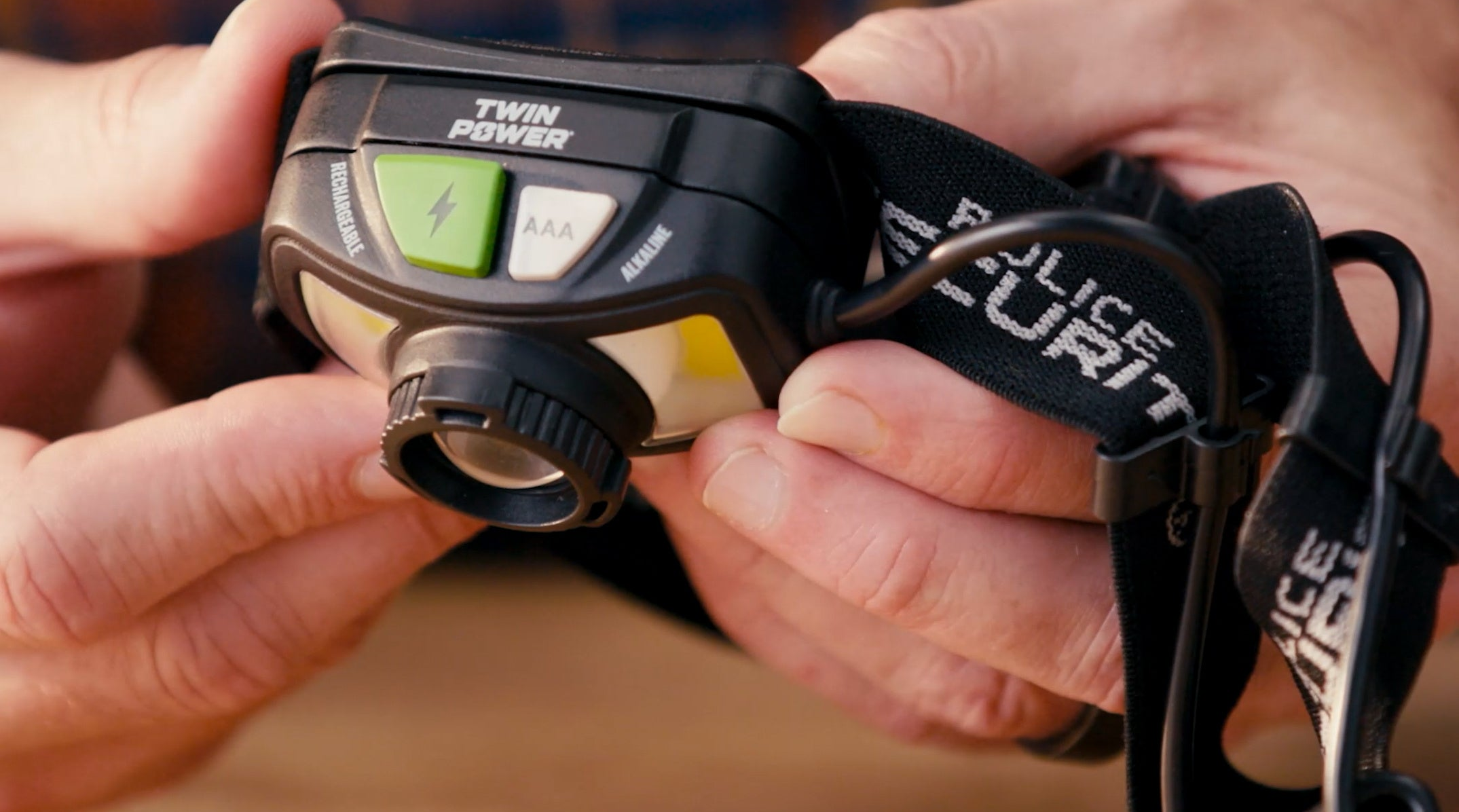
Most modern camping headlamps, including the picks above, run on rechargeable batteries, and for good reason: no loose AAAs to pack, no dead weight from batteries you didn't end up needing, and a charge level indicator that tells you where you stand before you're stuck in the dark.
The tradeoff shows up on longer trips. A rechargeable headlamp is only as reliable as your last charge, so if you're headed out for more than a couple of nights without access to a plug, plan around it: charge fully before you leave, budget your runtime by brightness mode, and consider whether a battery-powered backup light is worth tossing in your pack just in case. It doesn't need to be fancy, it just needs to work if your main headlamp taps out on night three.
FAQ
How many lumens do I need for a camping headlamp?
It depends on what you're doing with it. Setting up camp or cooking dinner rarely needs more than 200-400 lumens. Navigating an unlit trail or scanning a wider area benefits from something brighter, in the 500-1000 lumen range. Higher lumens also drain the battery faster, so more isn't automatically better.
Is a headlamp better than a flashlight for camping?
For hands-free tasks, yes. Setting up a tent, cooking, or digging through a pack is easier with a headlamp. A flashlight still has its place for directional tasks like signaling or checking something at a distance, which is why a lot of campers bring both.
How long do camping headlamps last on a charge?
Runtime varies widely by brand and brightness setting. Some headlamps run over 20 hours on a lower brightness mode but only a few hours at full brightness, so it's worth checking the runtime at the setting you'll actually use most, not just the headline number.
Do I need a red-light mode for camping?
It's not required, but it's a genuinely useful feature if you're camping with other people. Red light protects your night vision and won't wake up your campsite when you're moving around after everyone's gone to sleep.