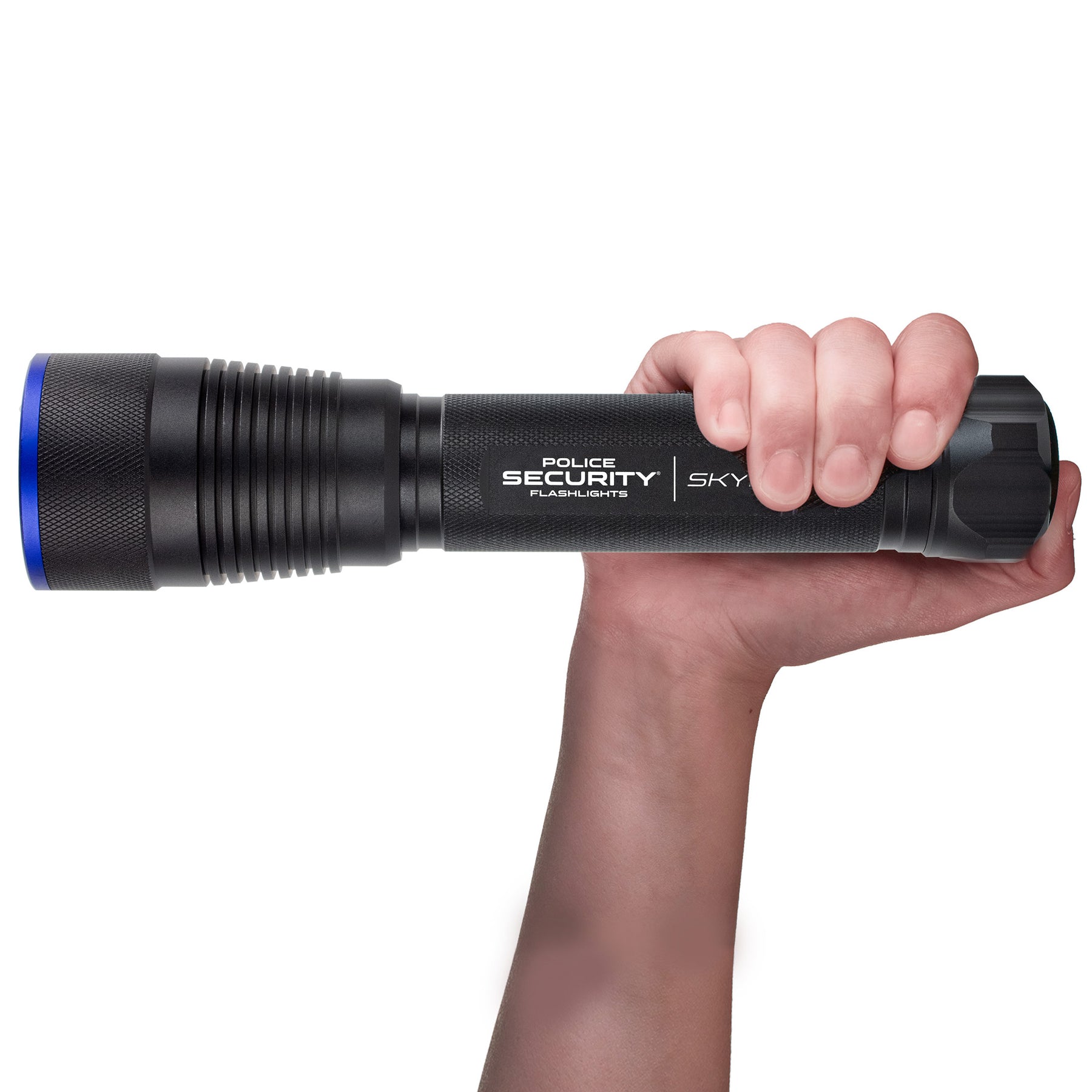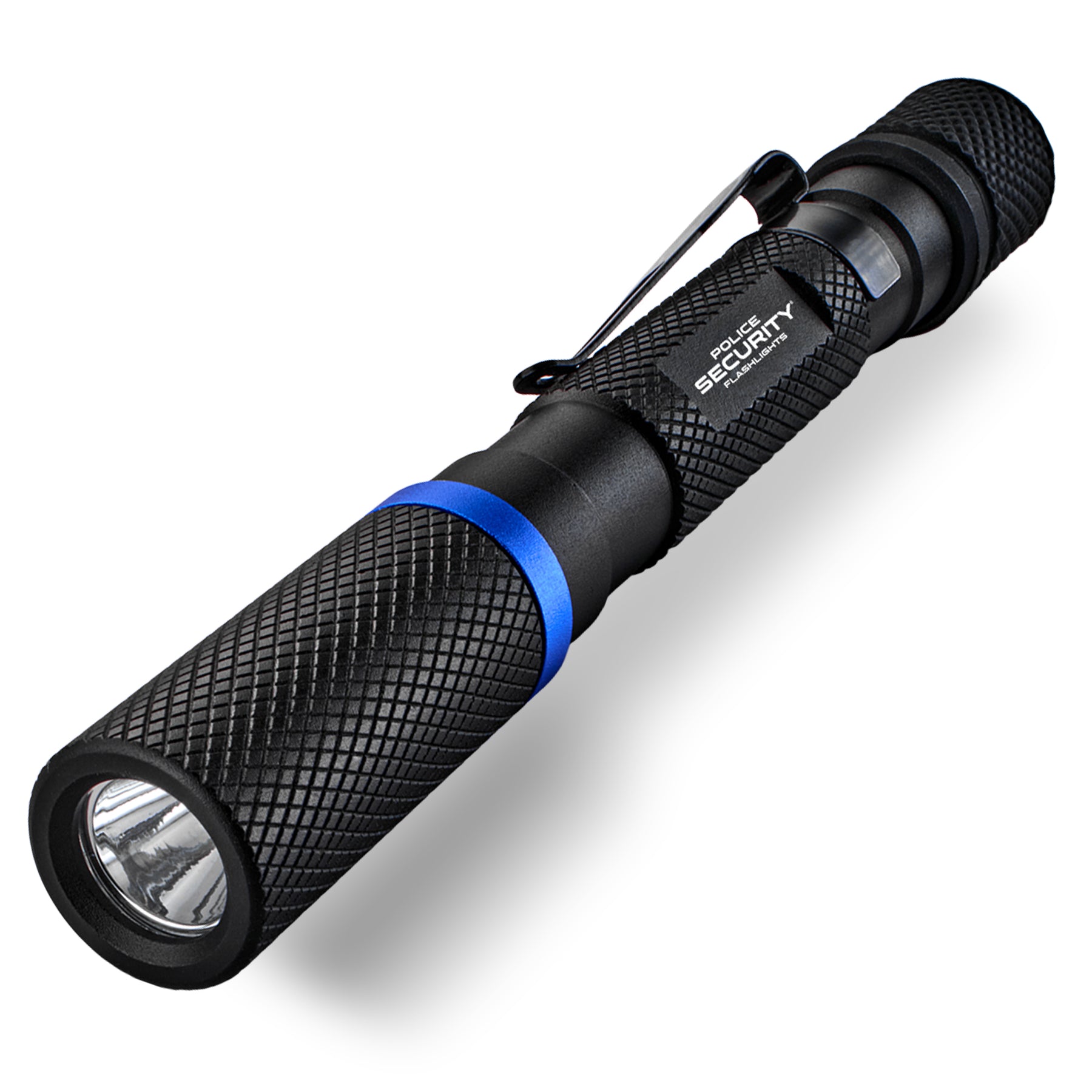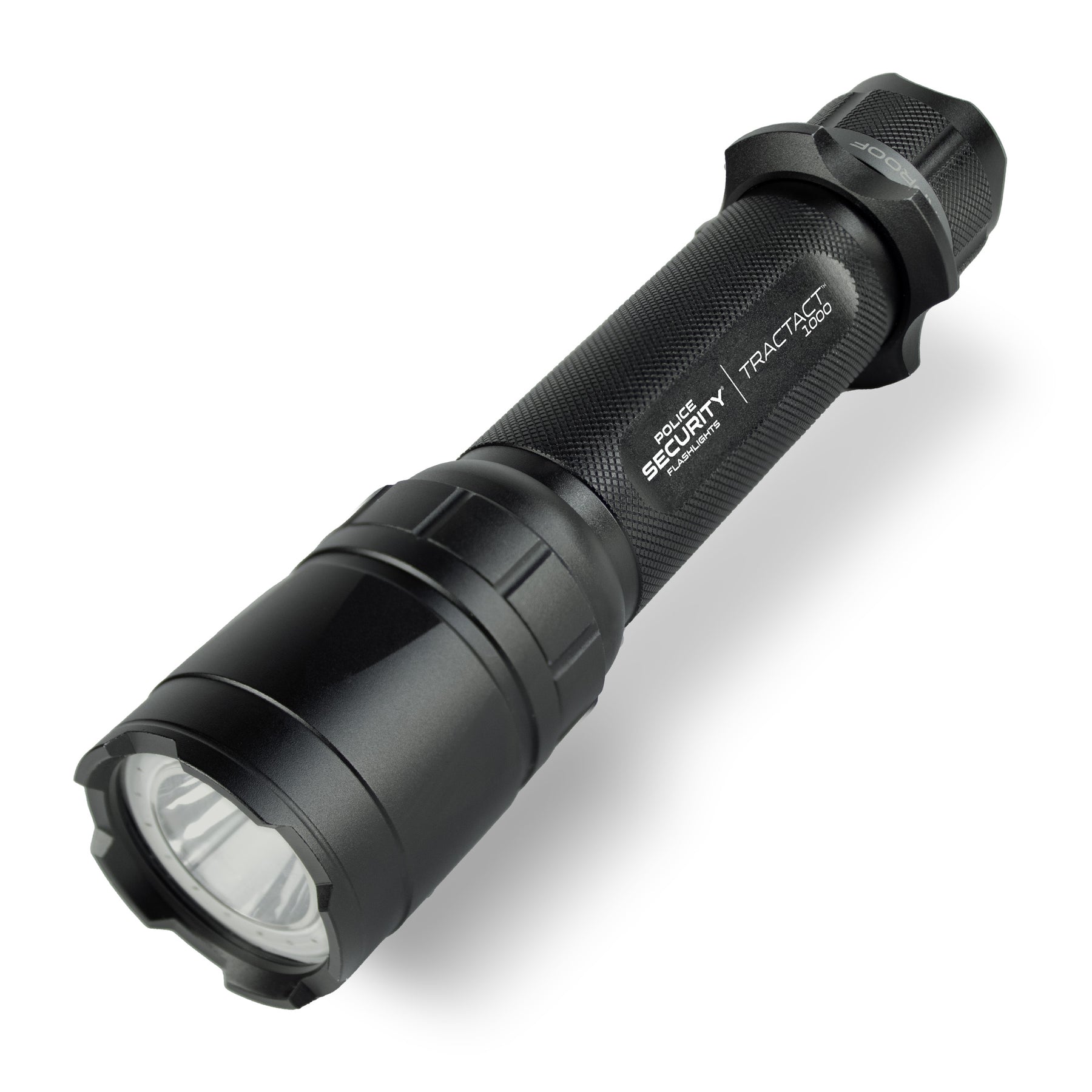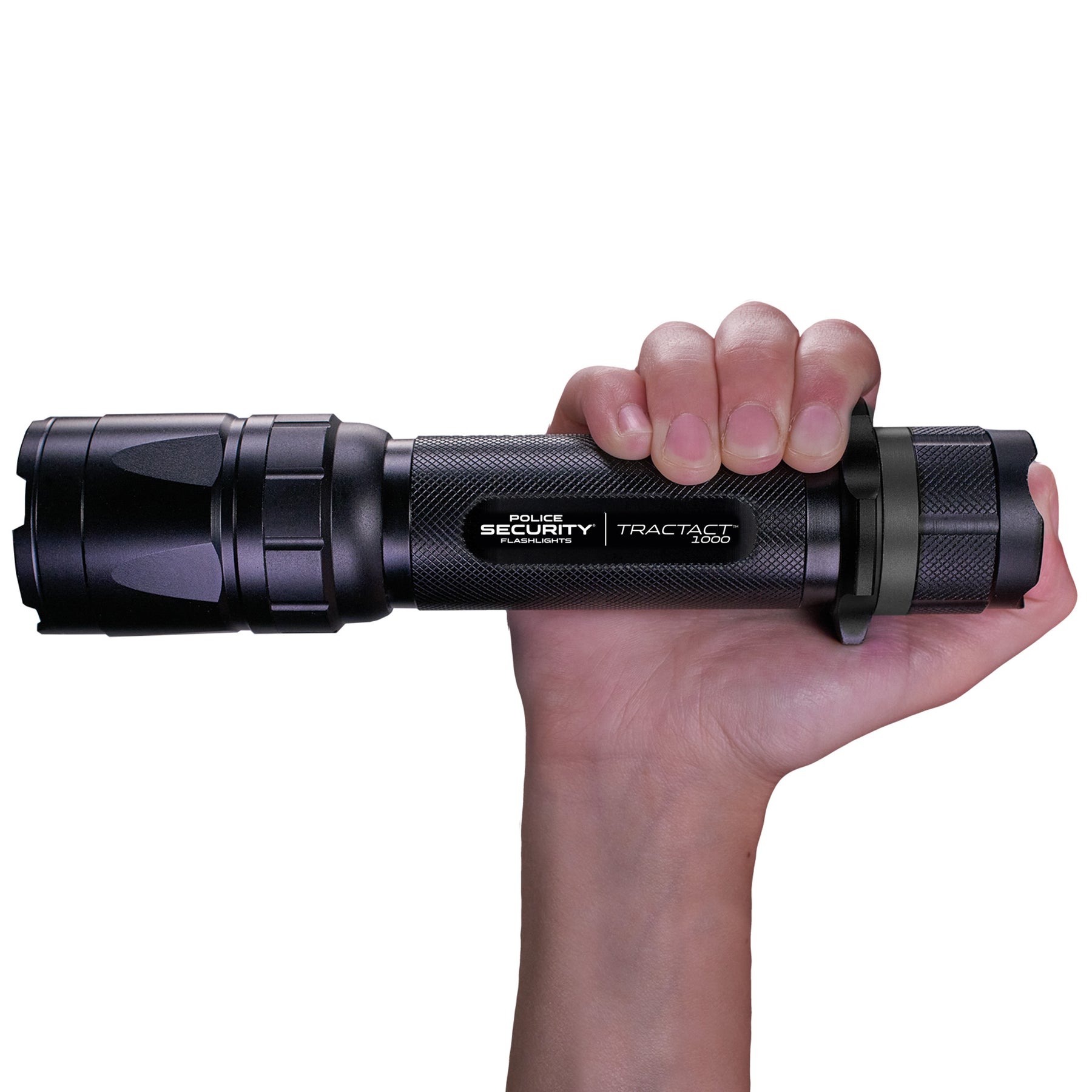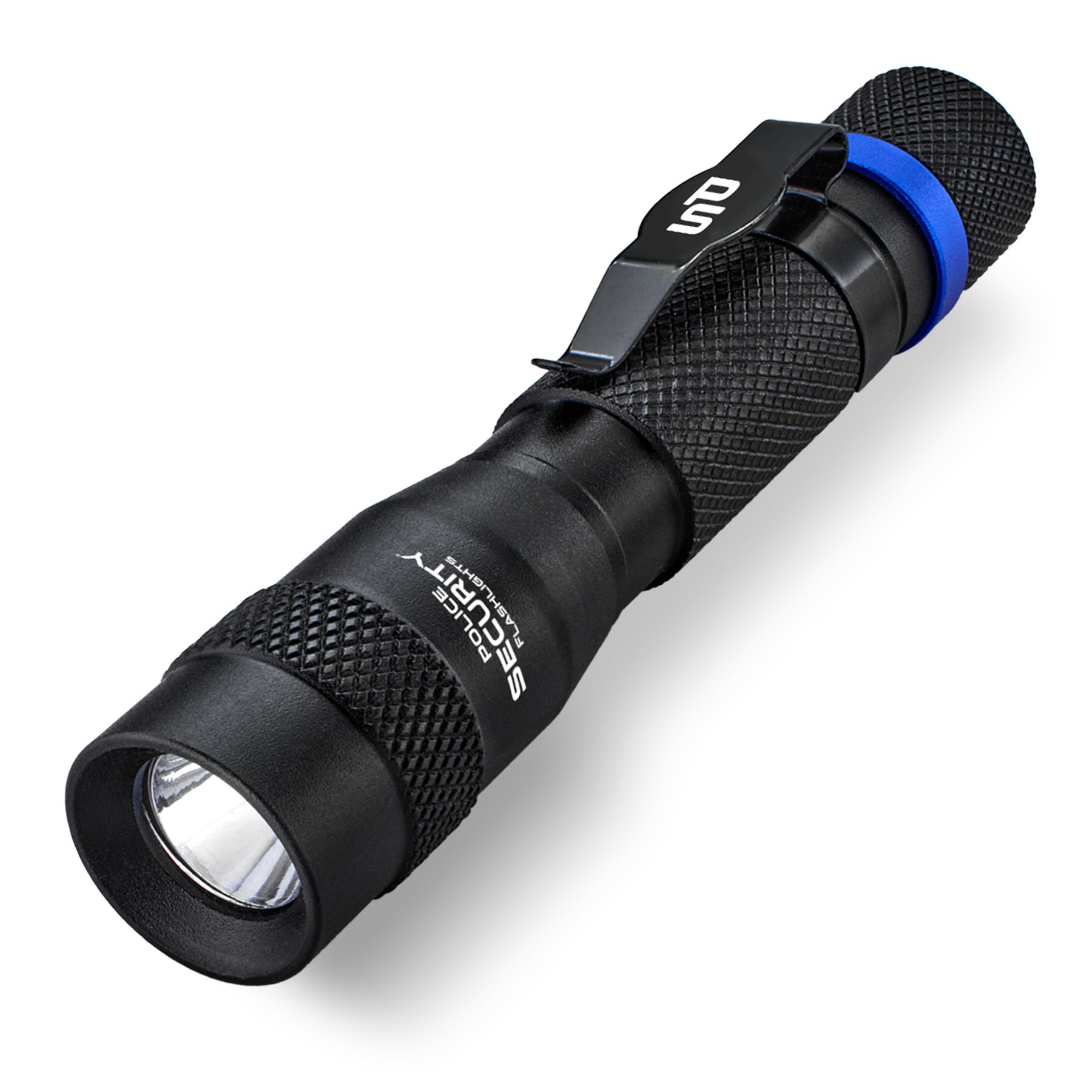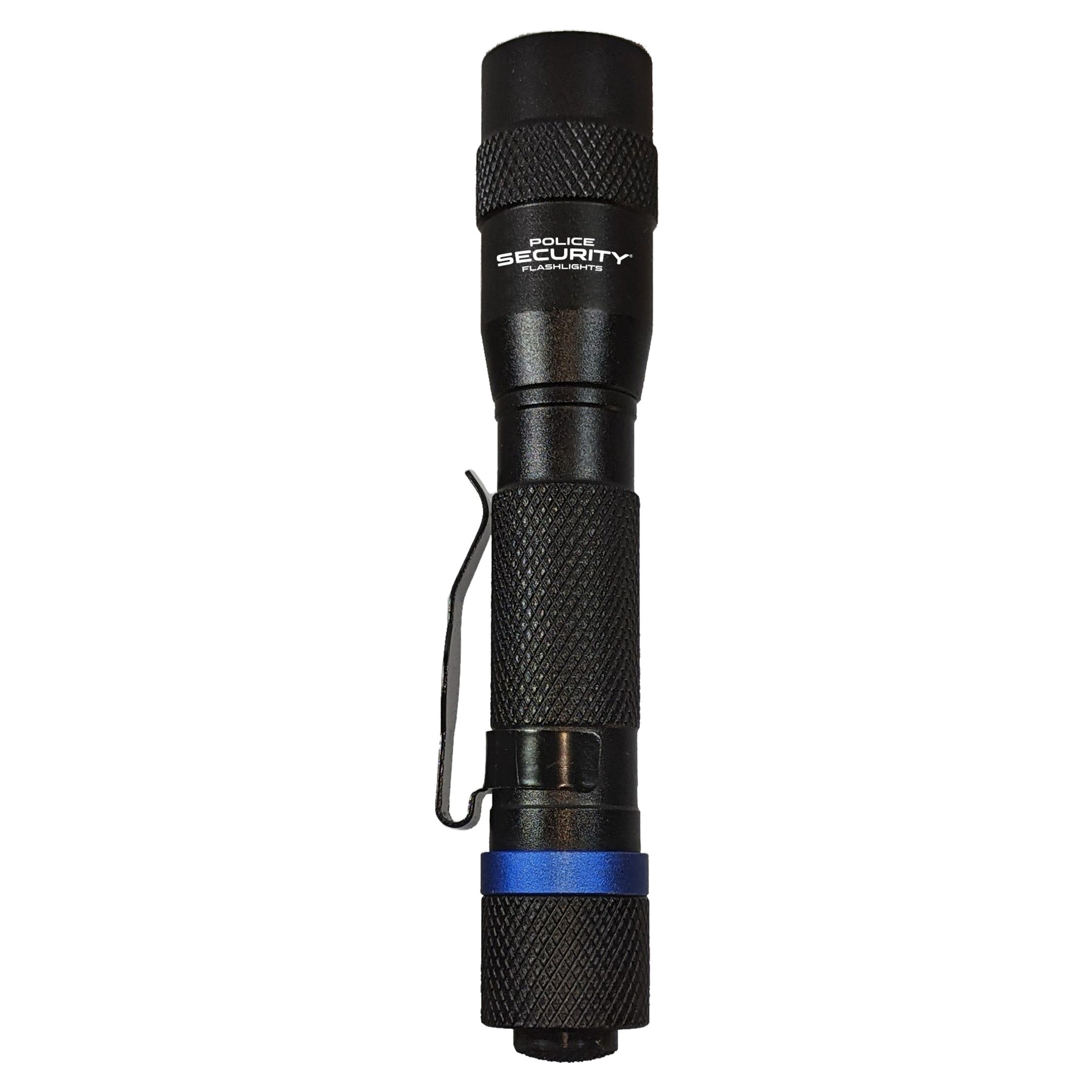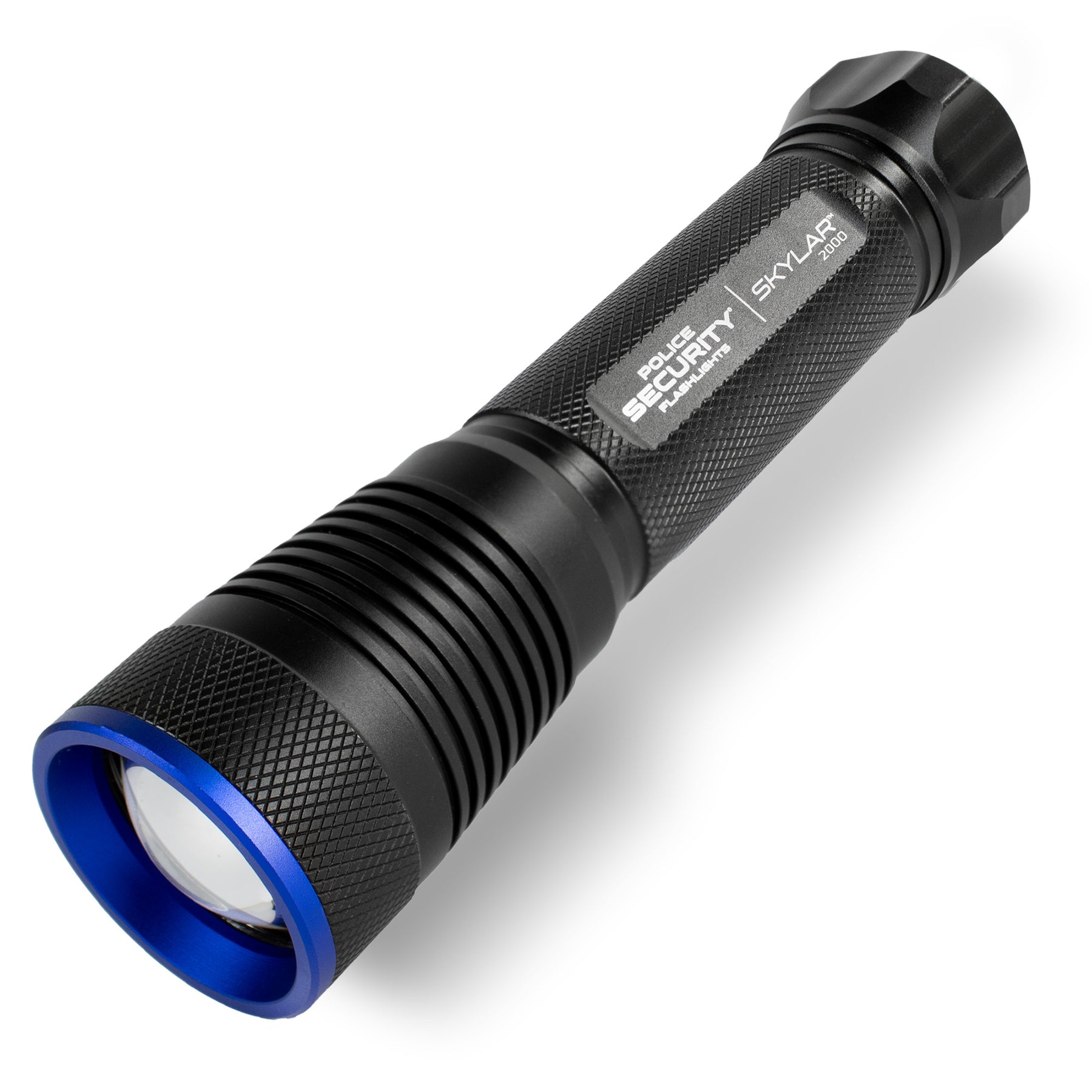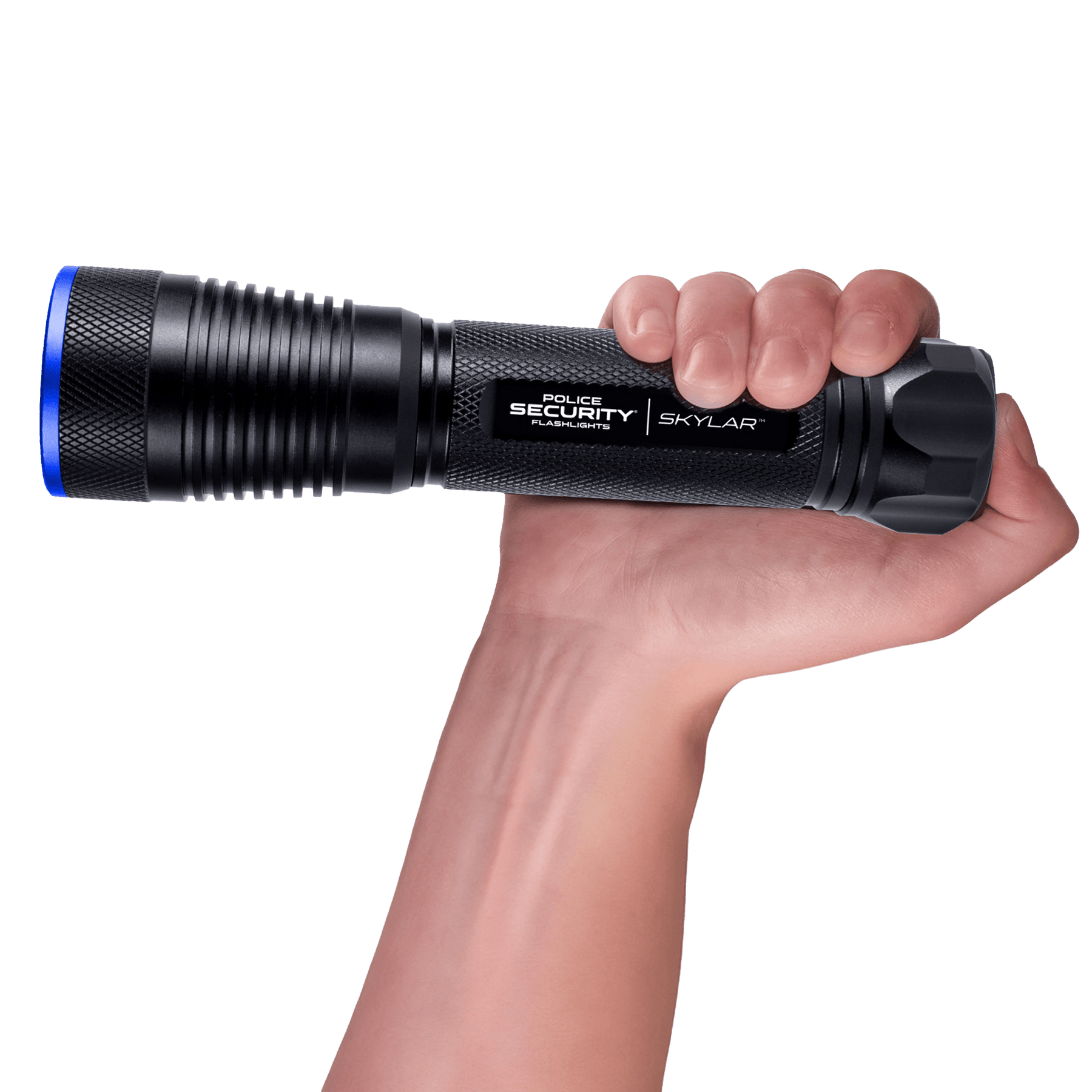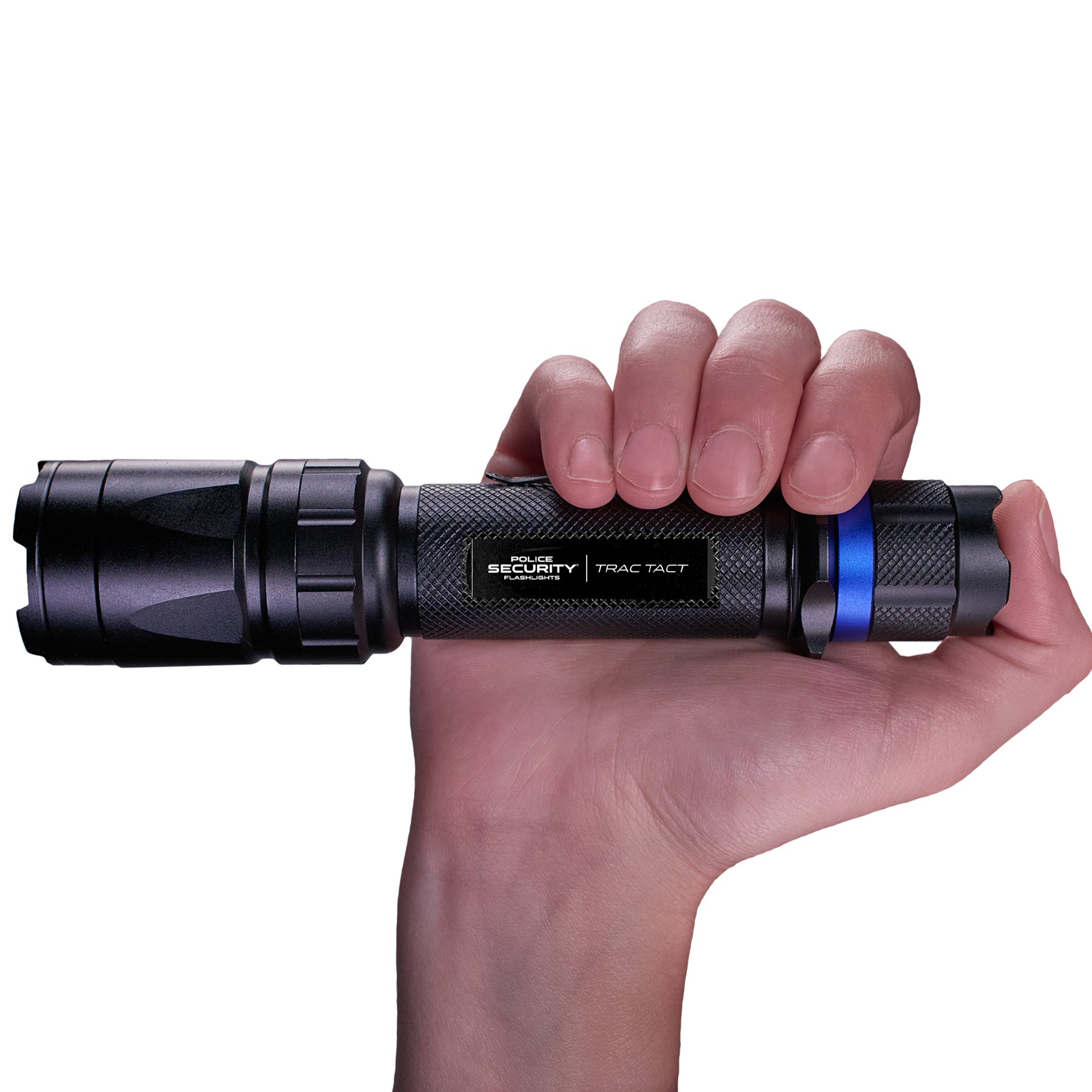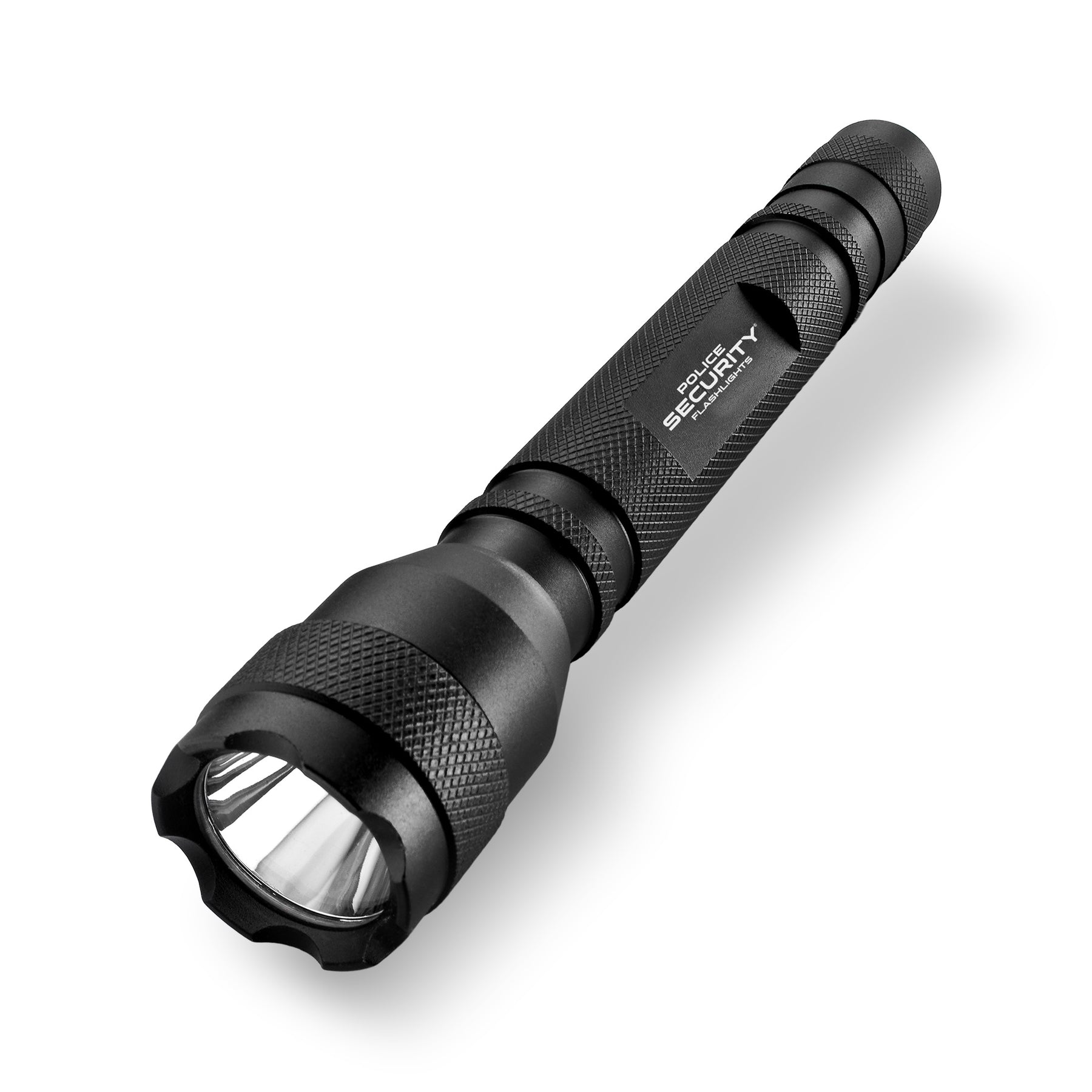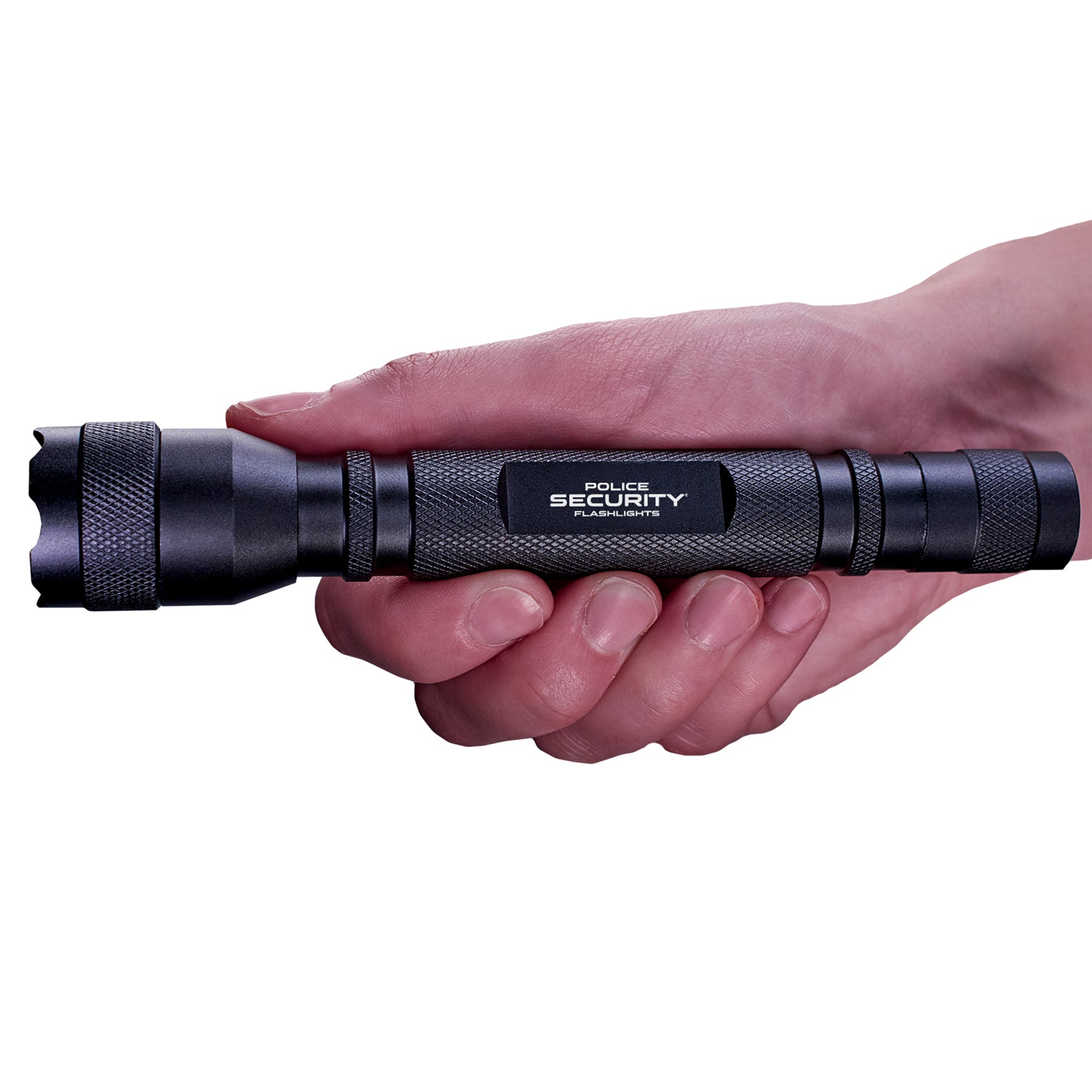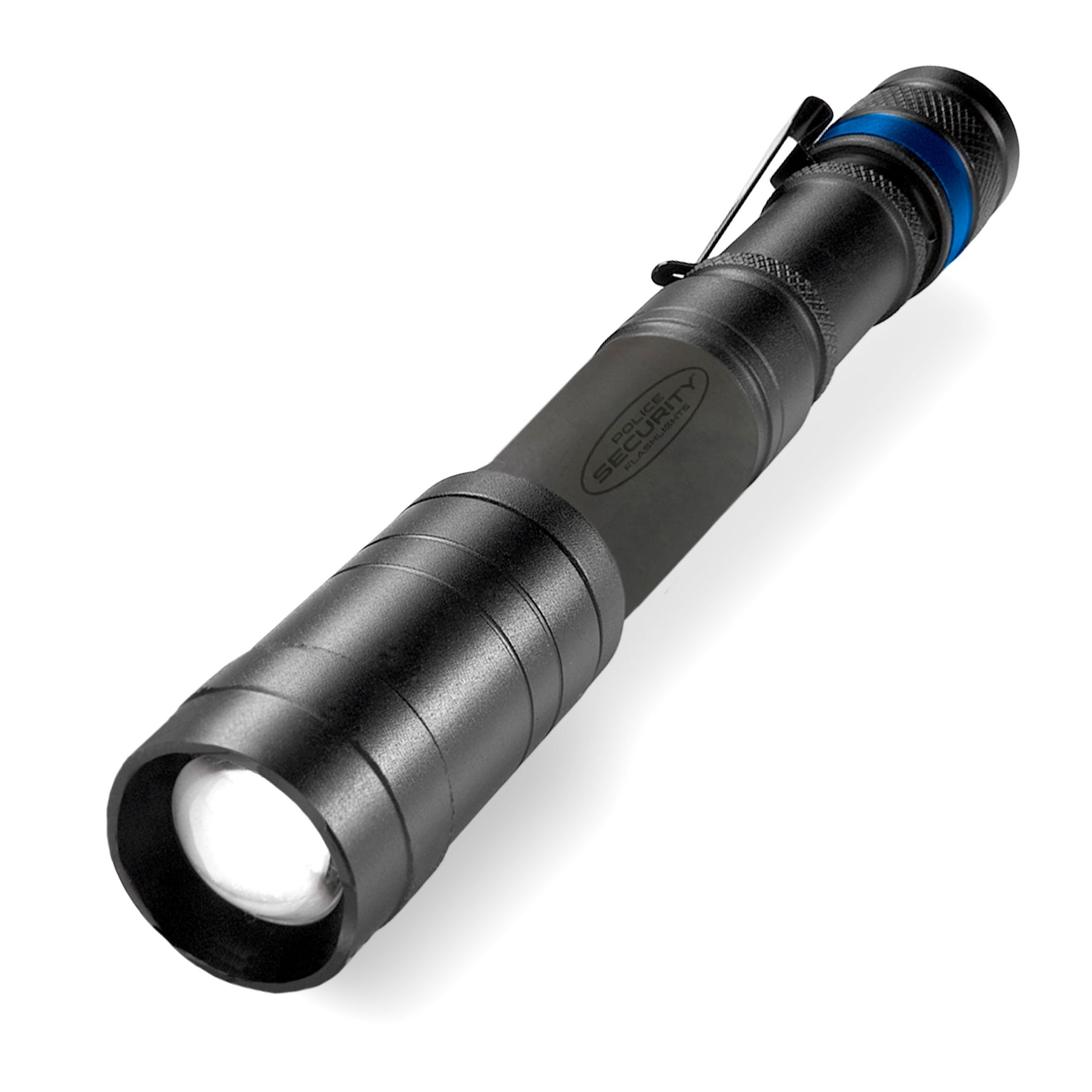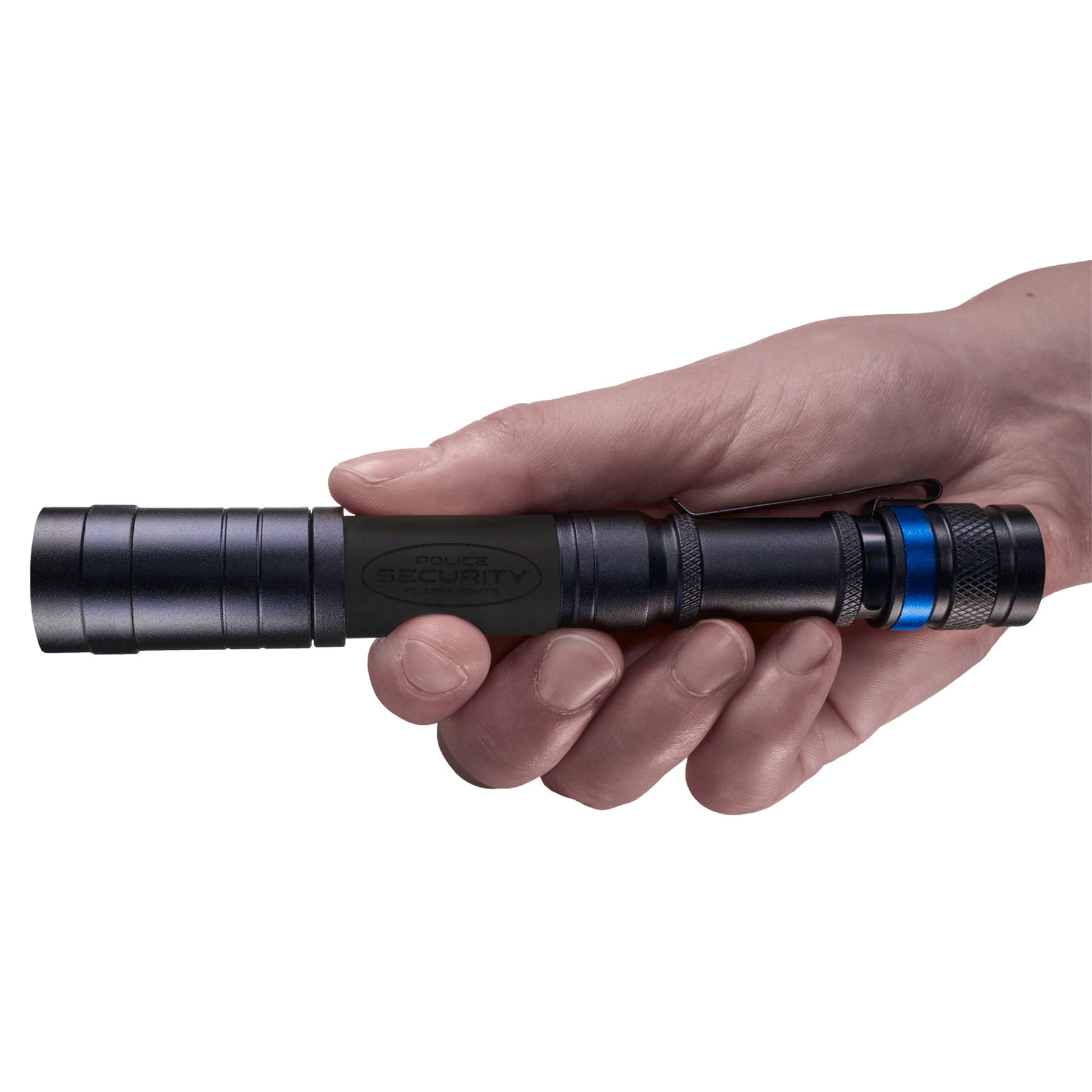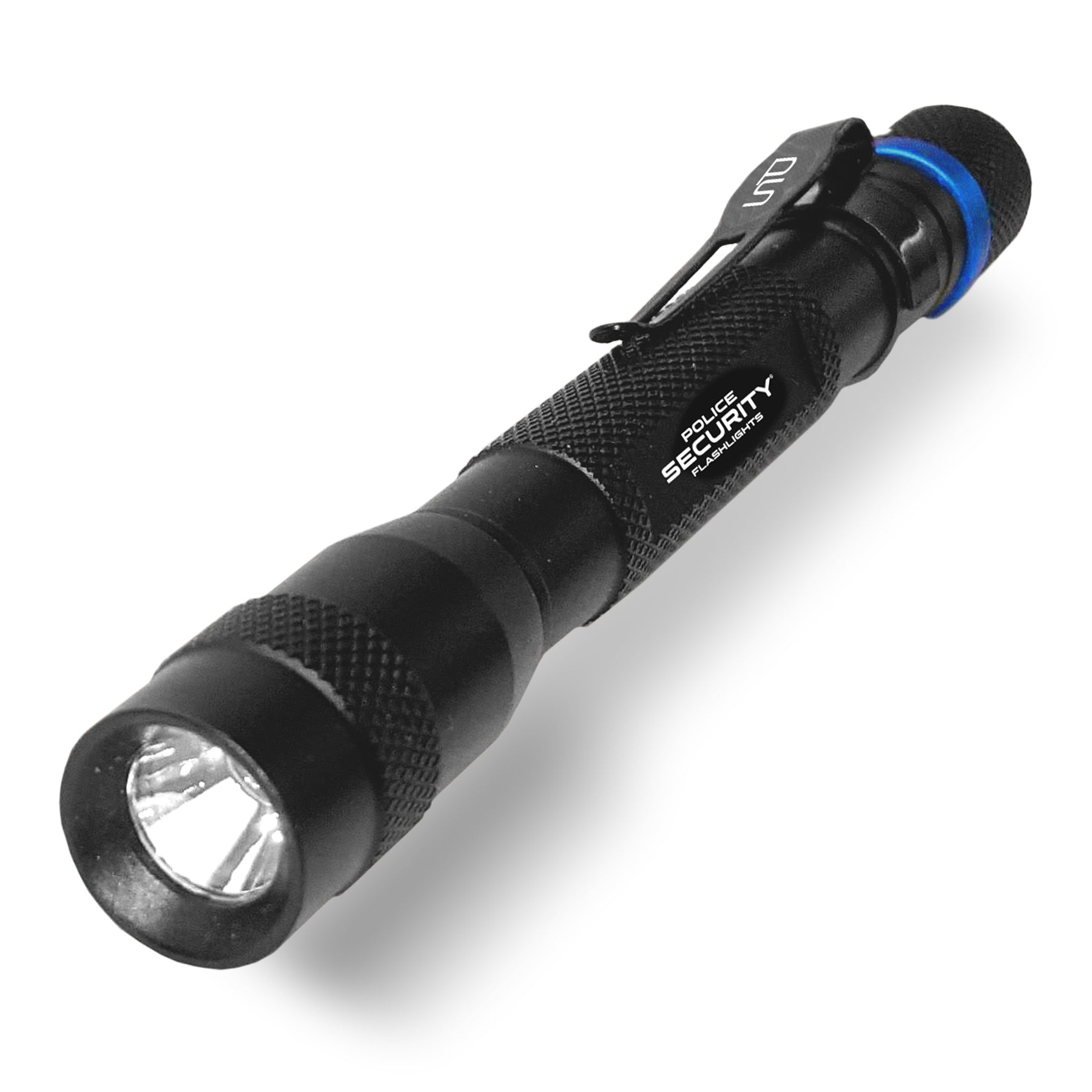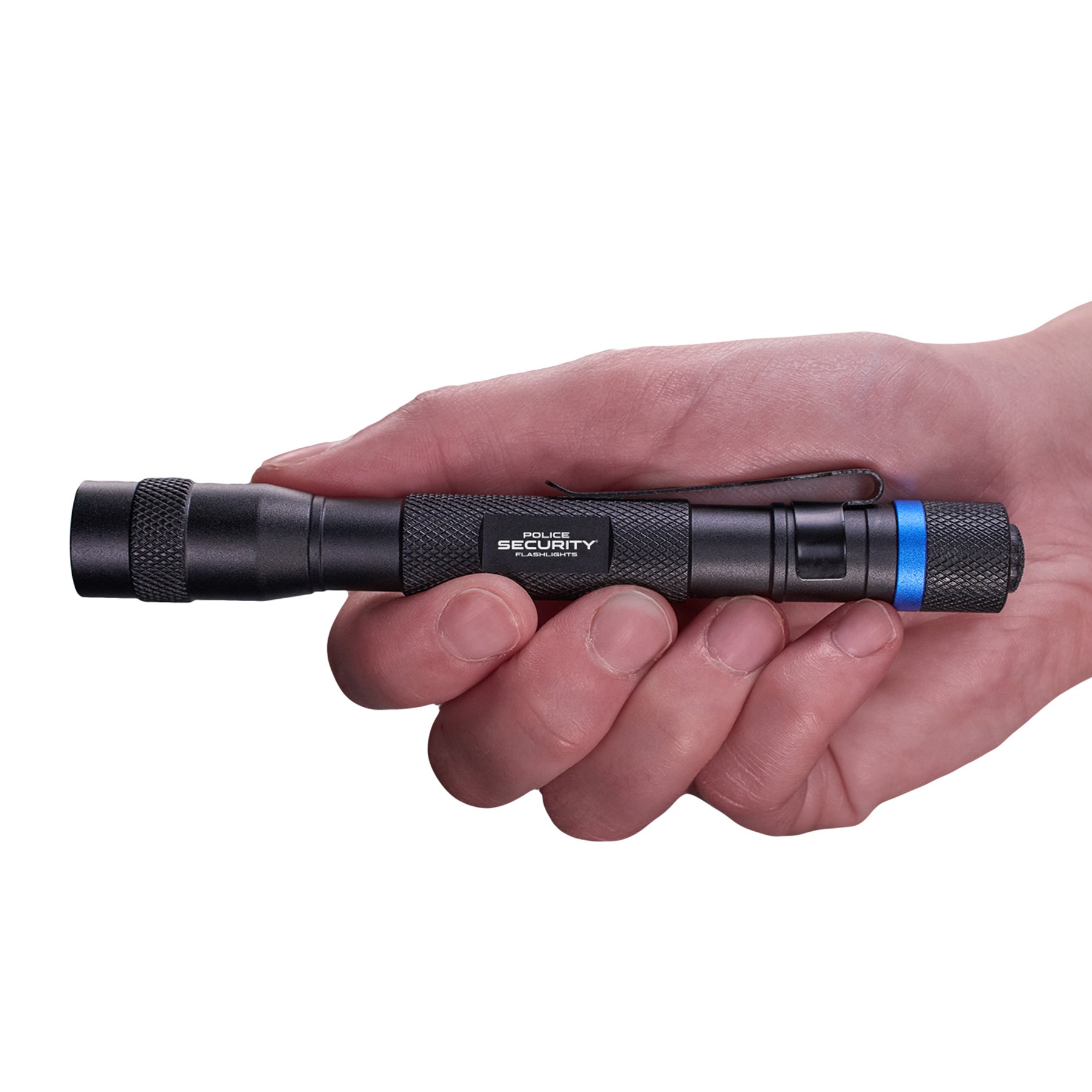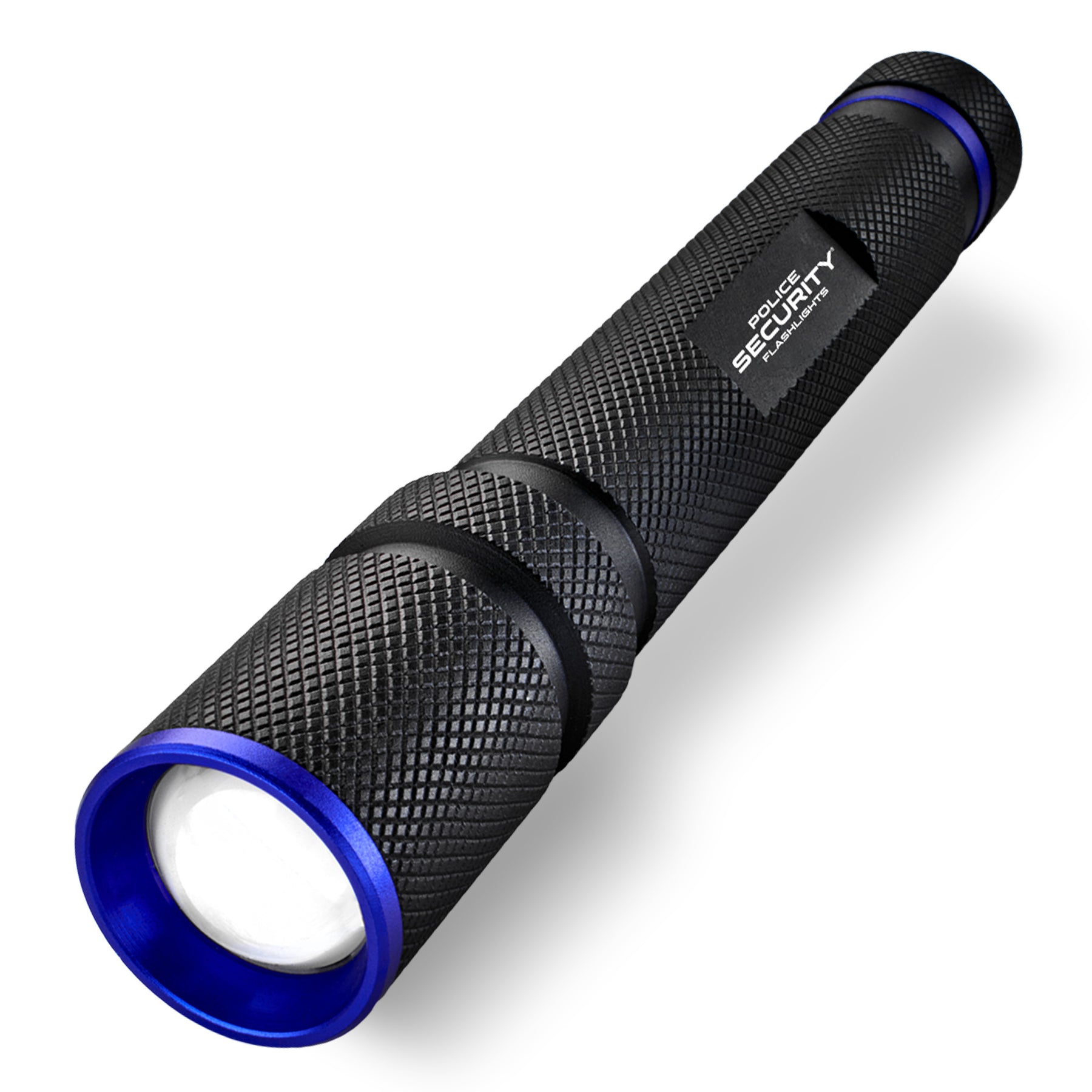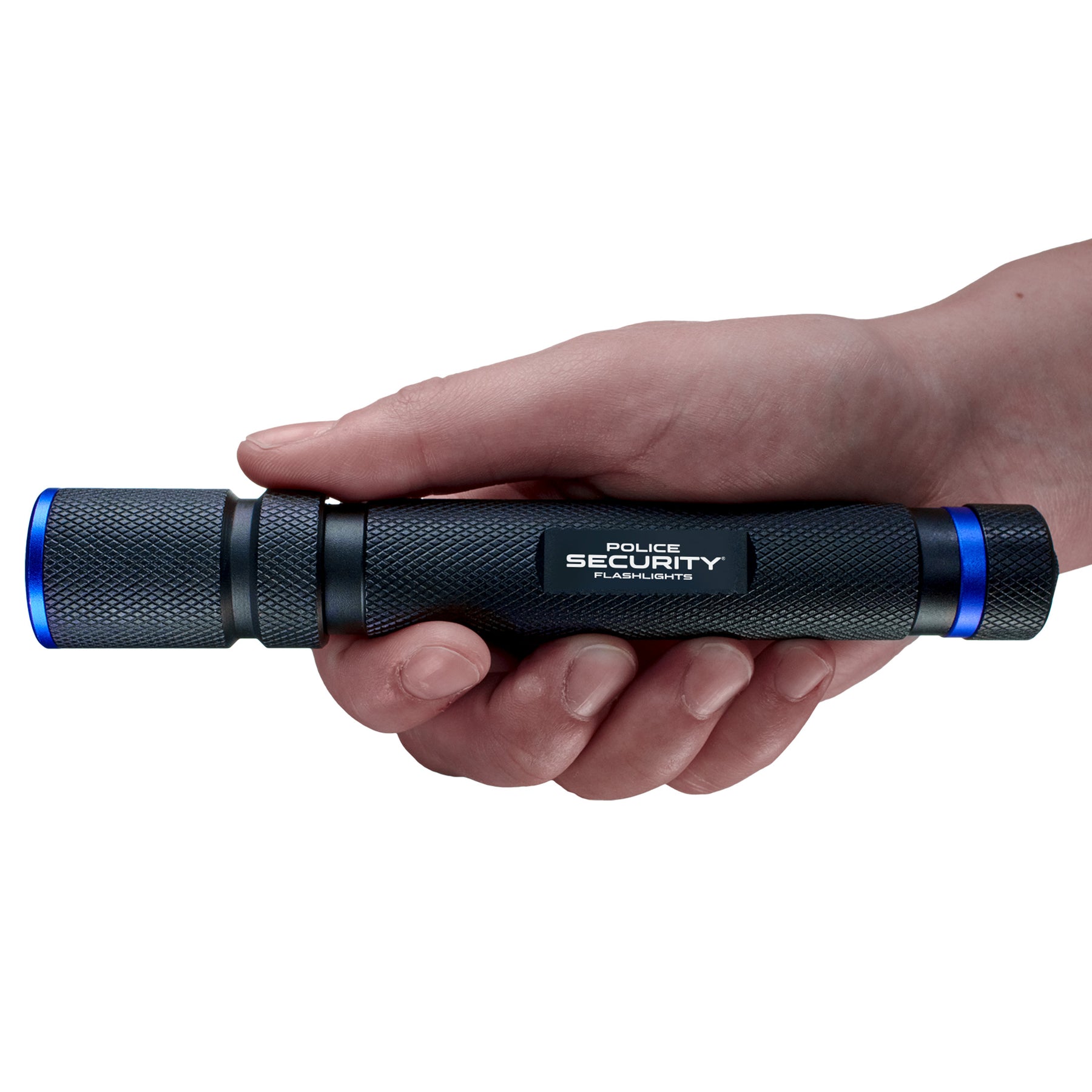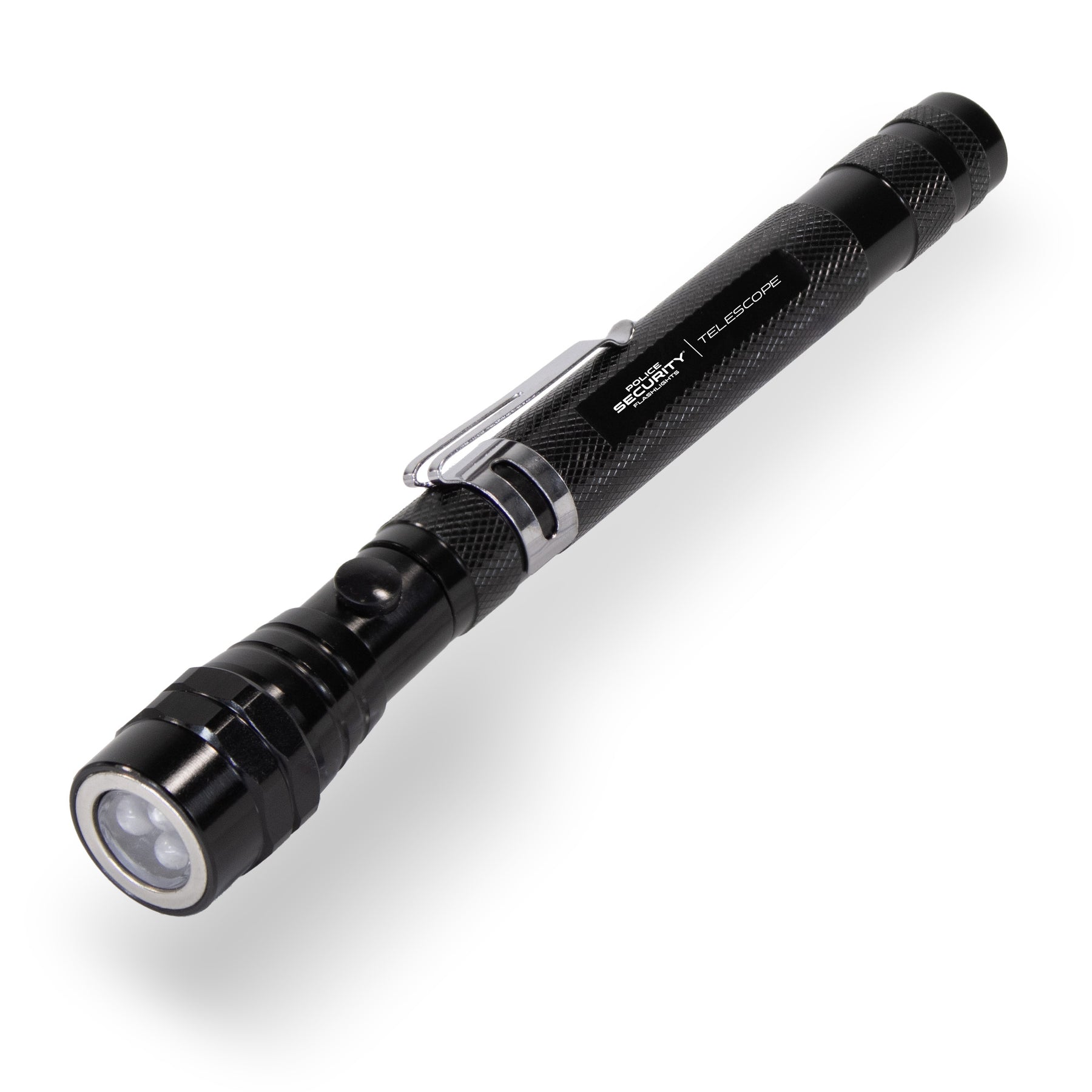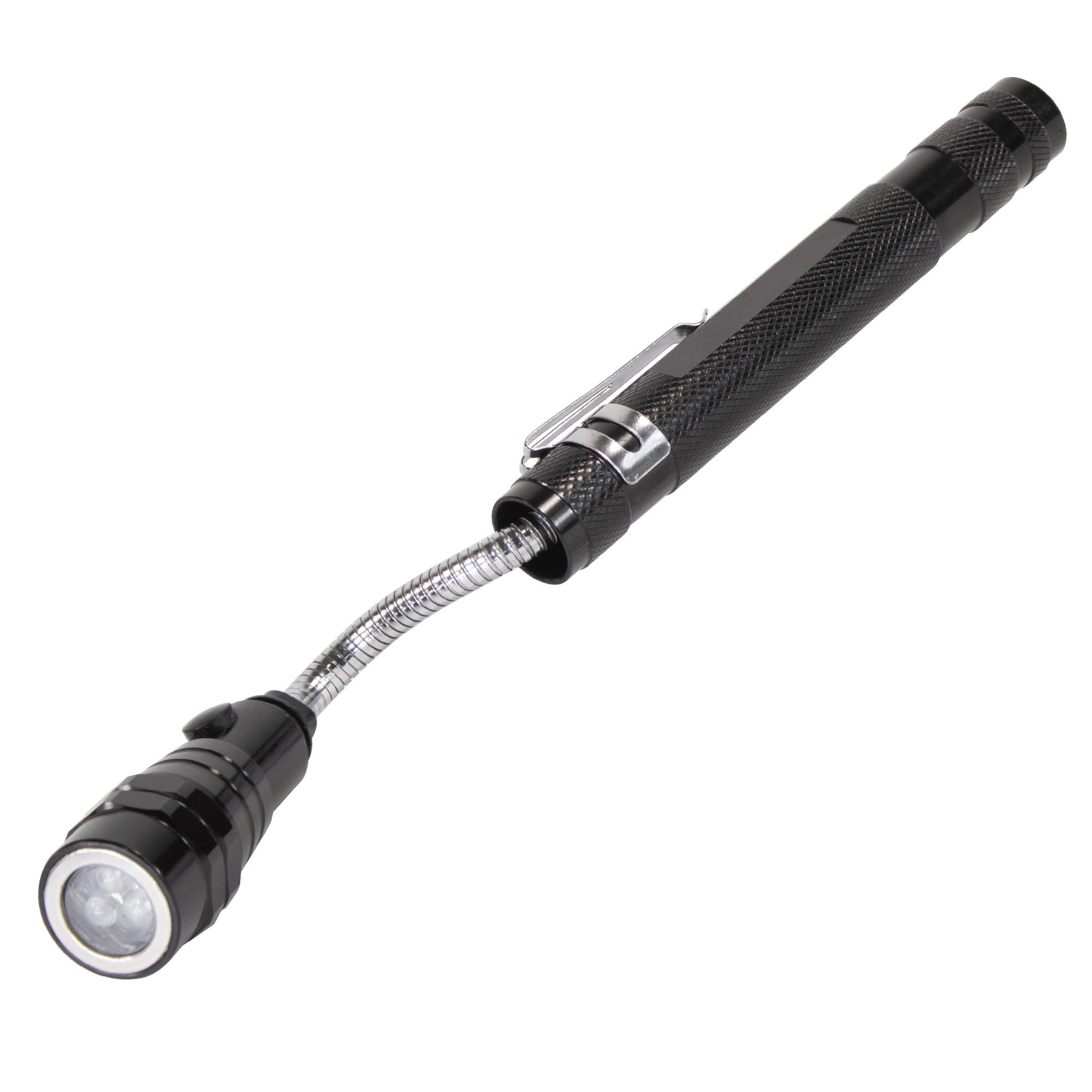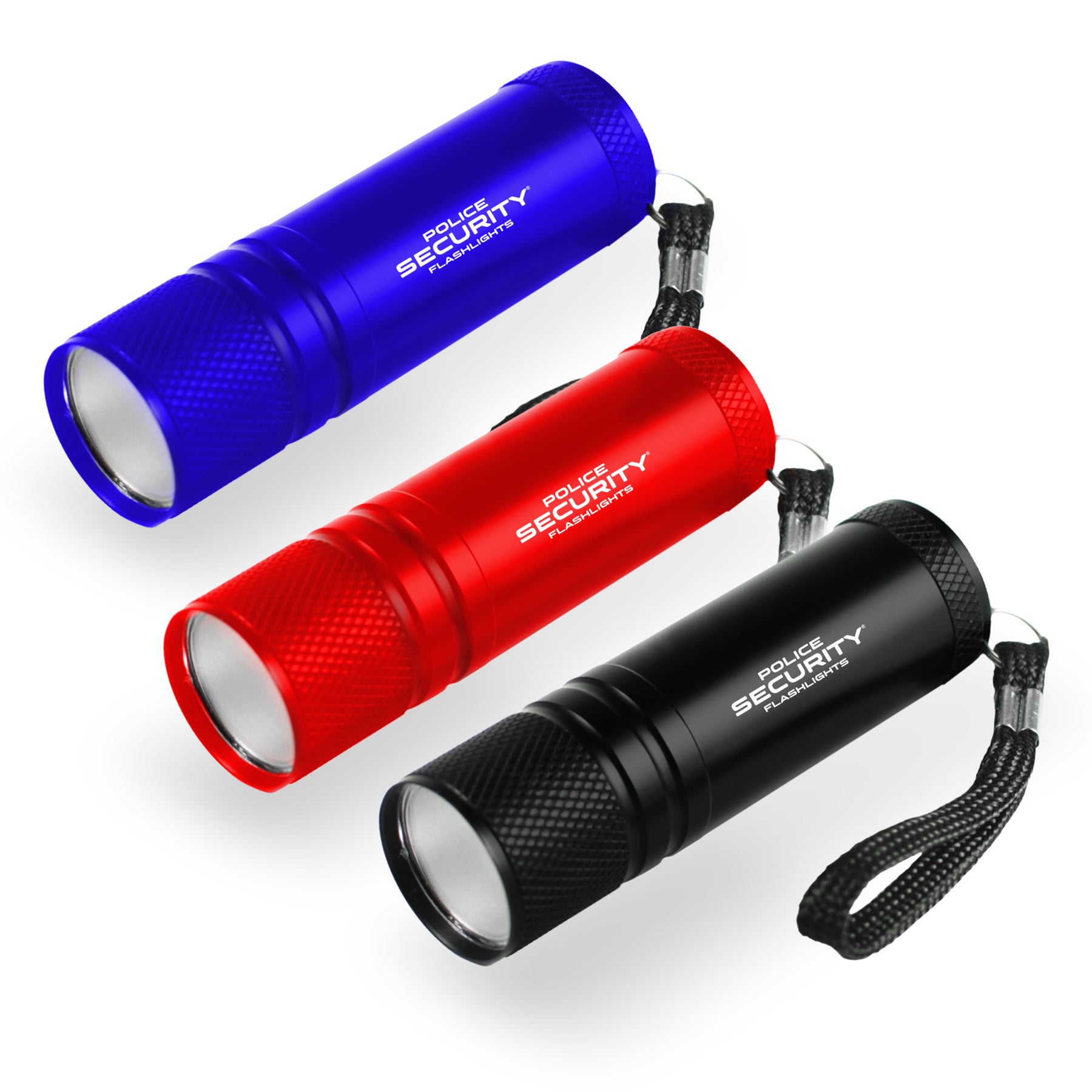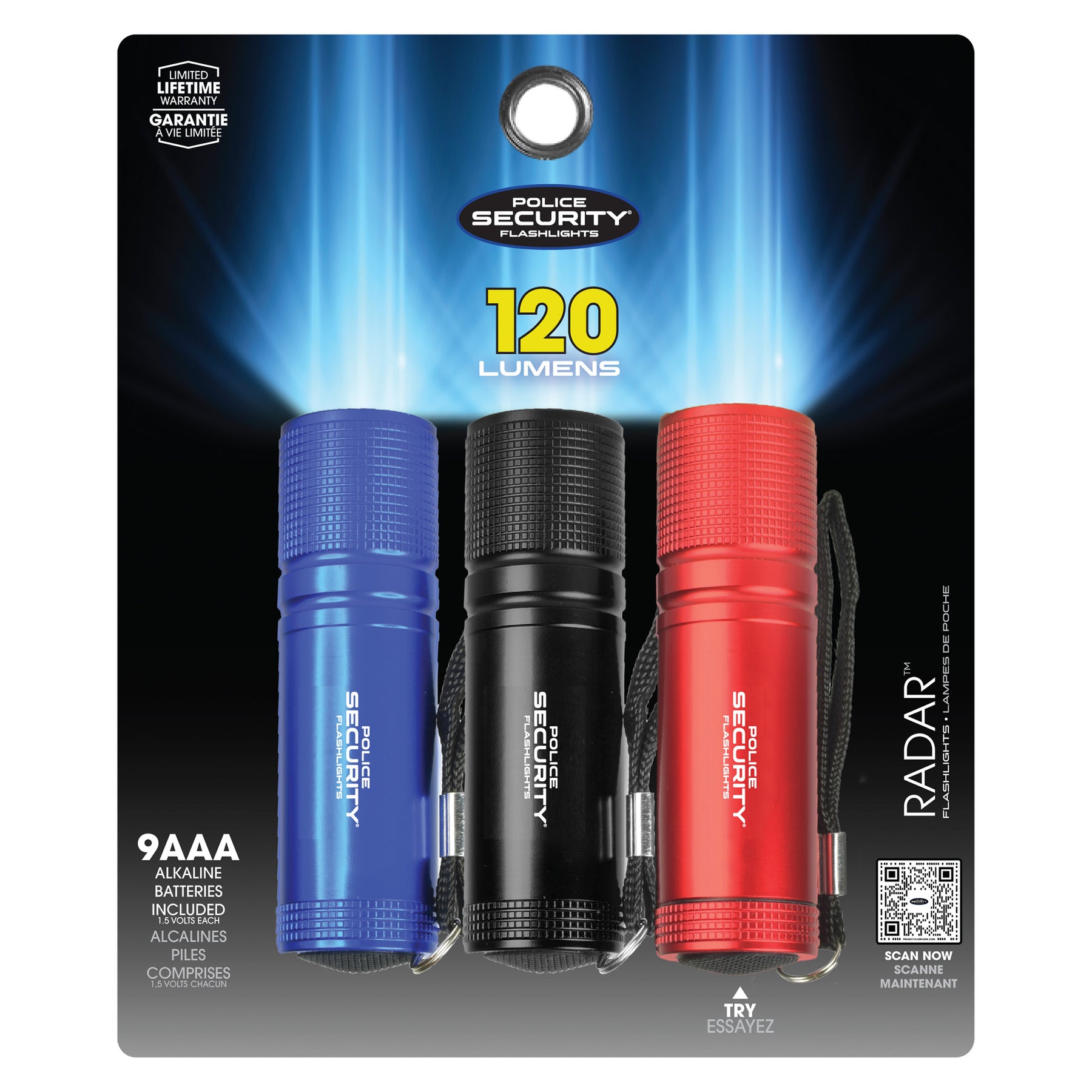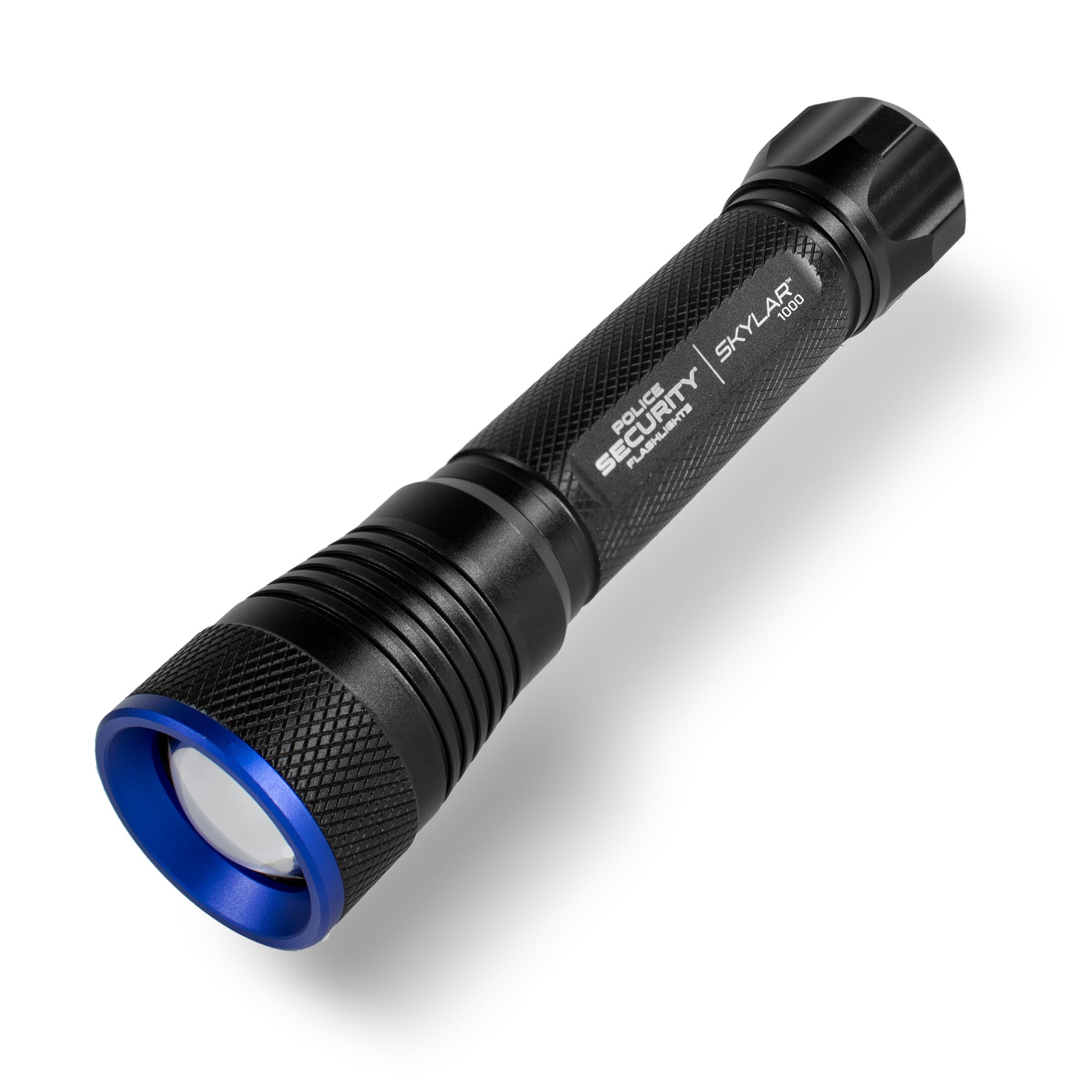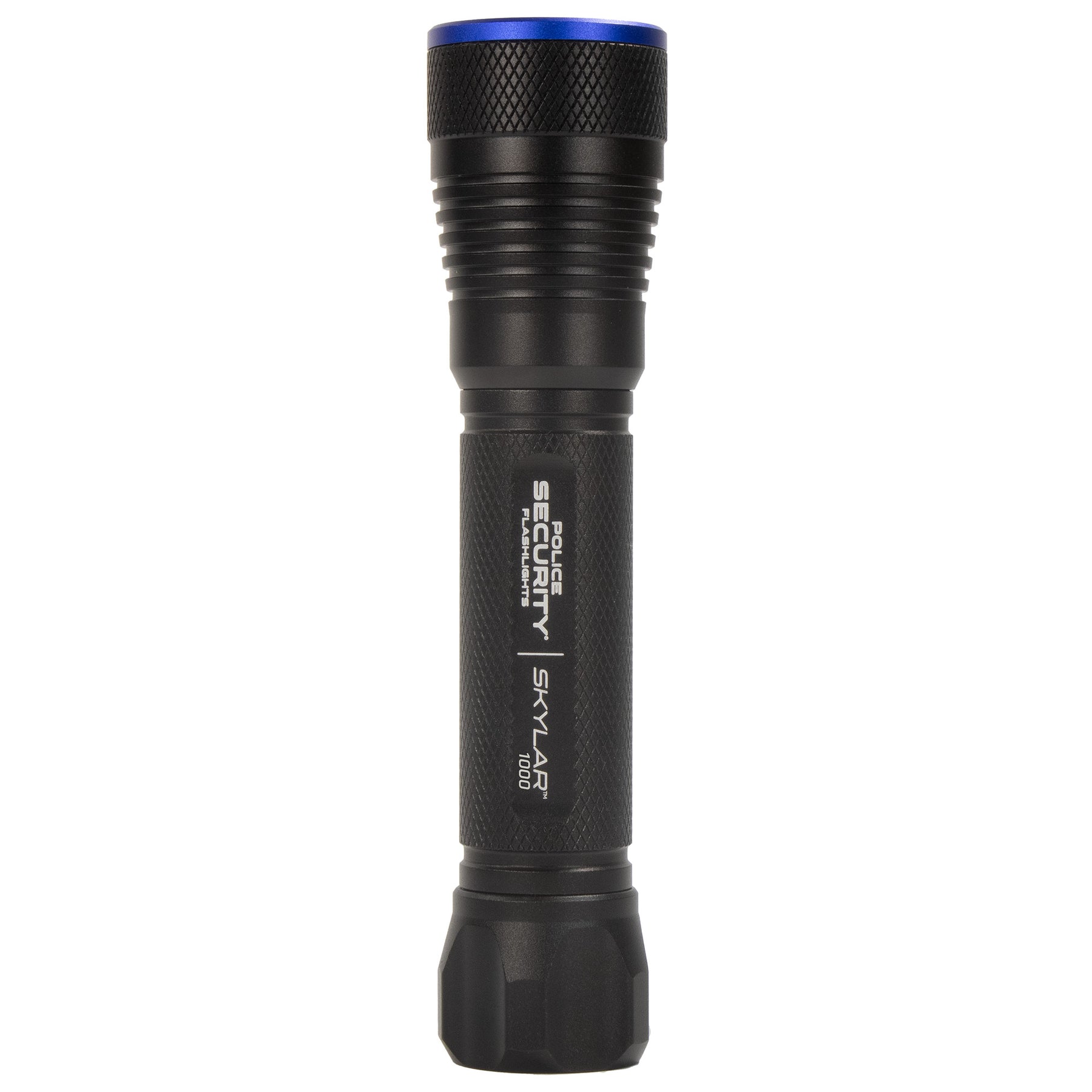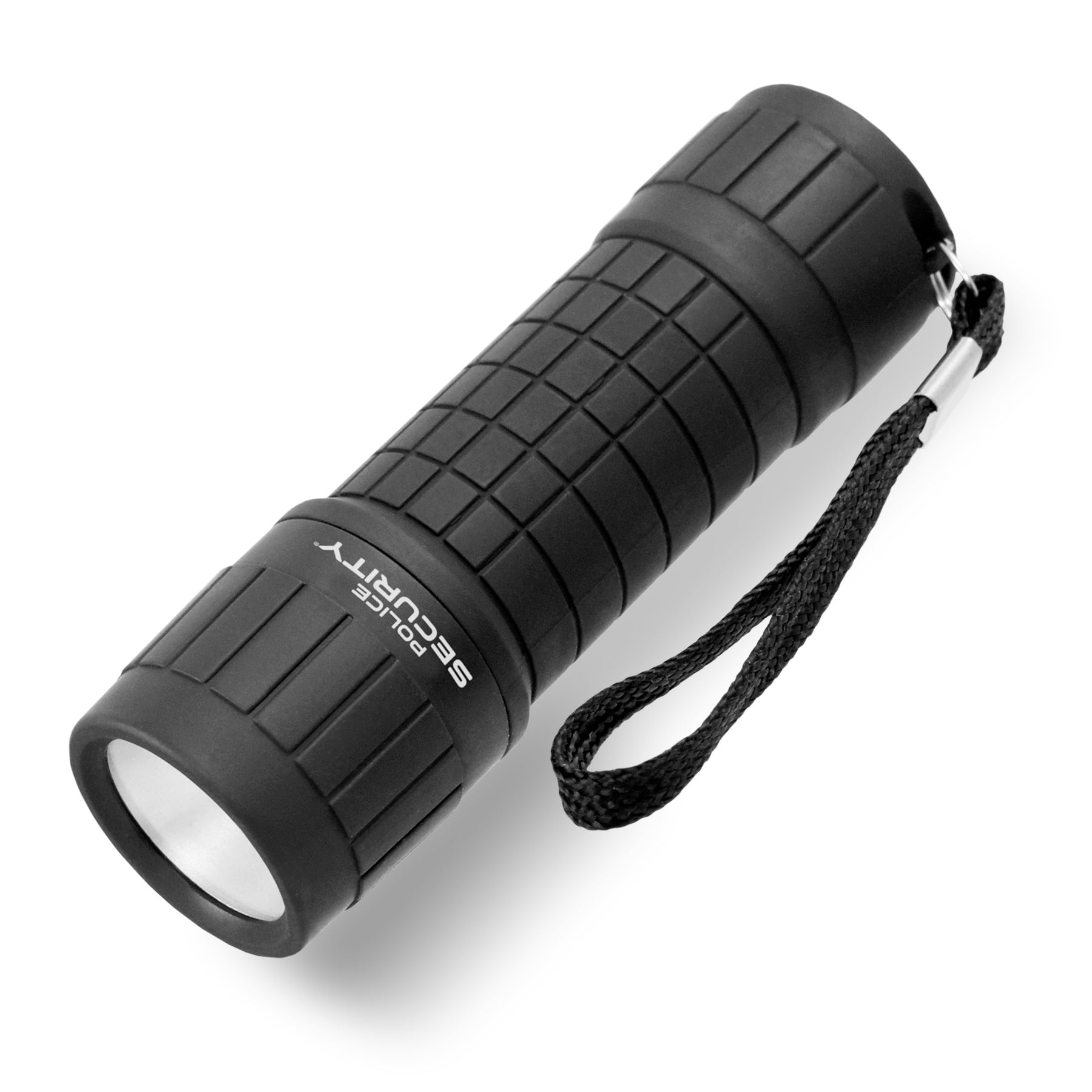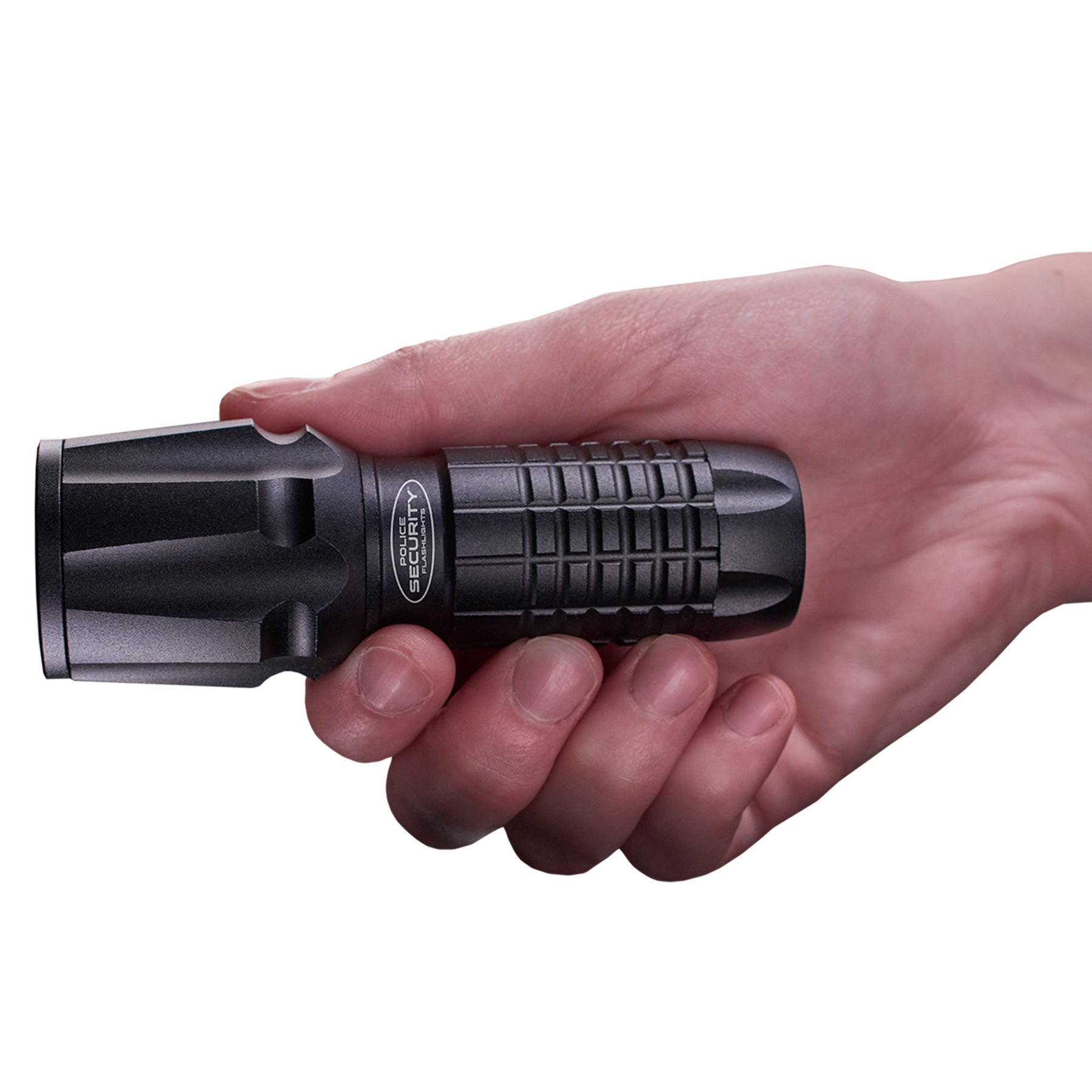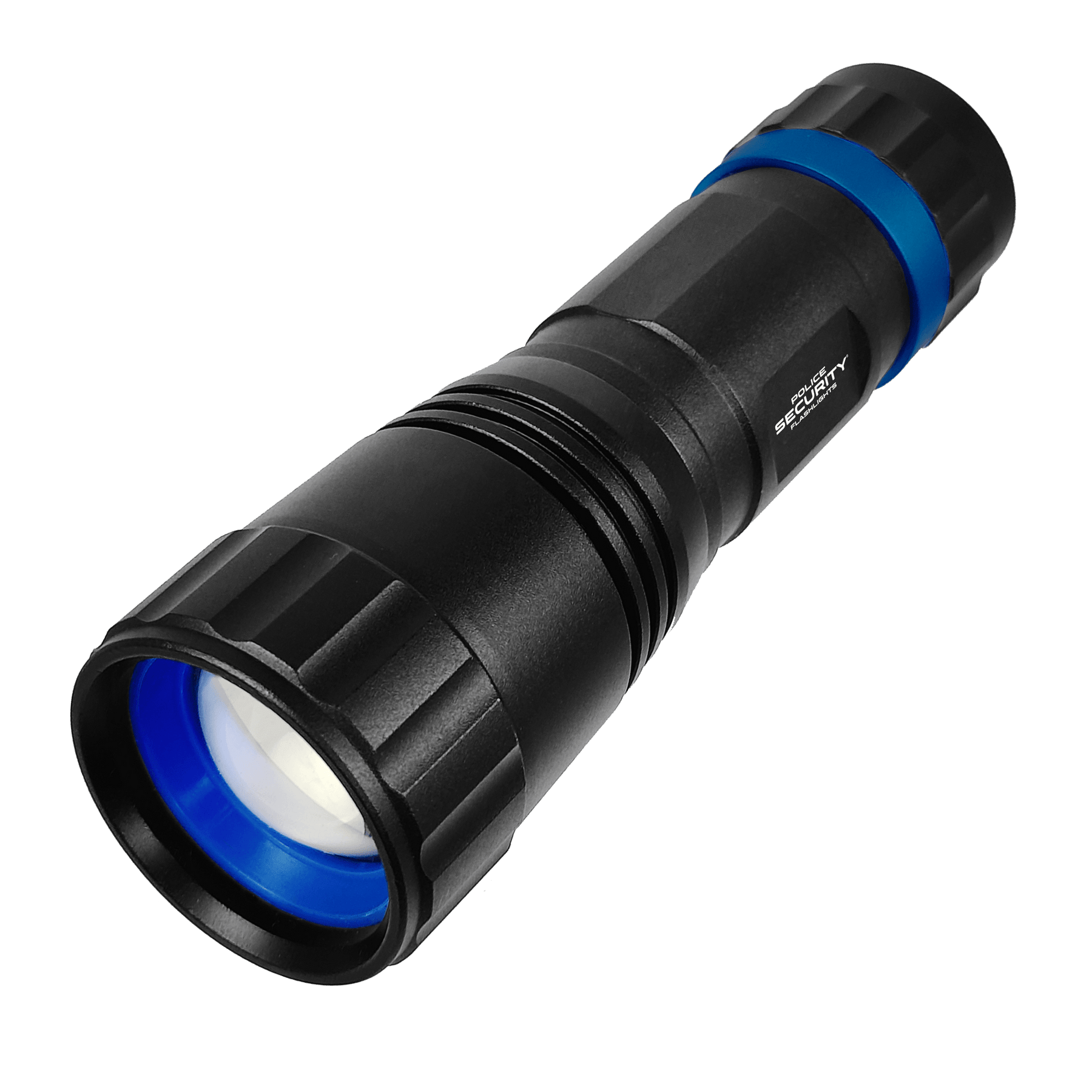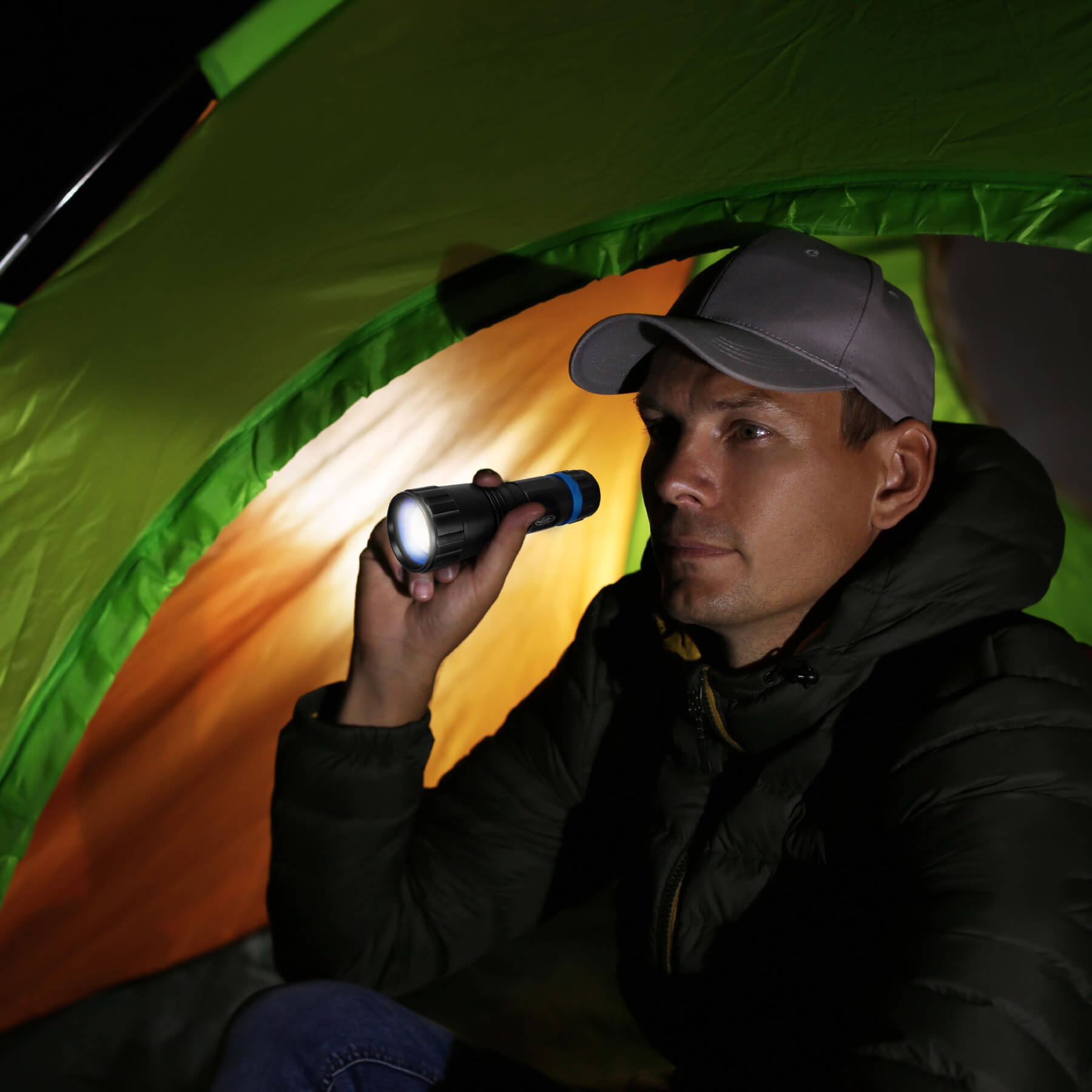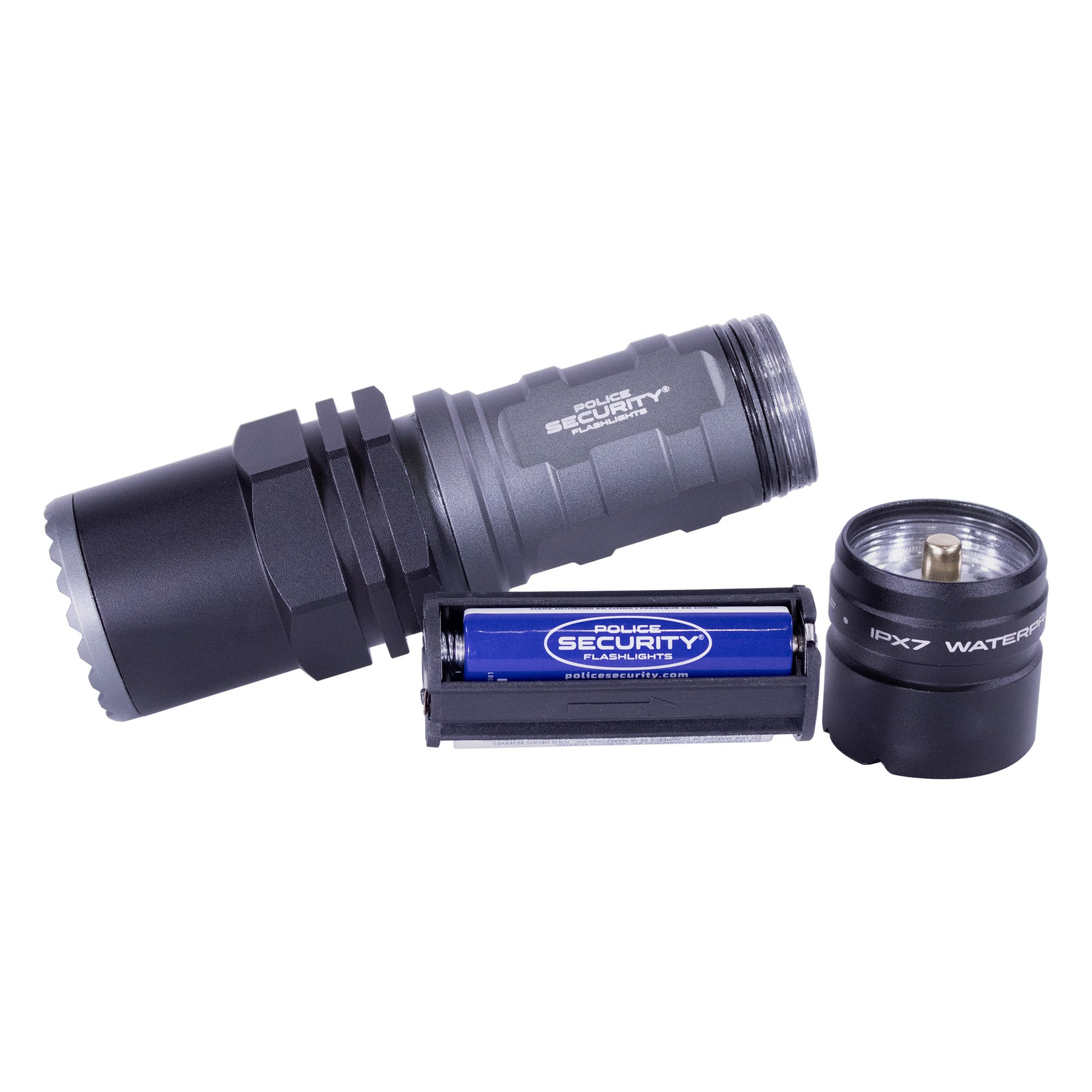

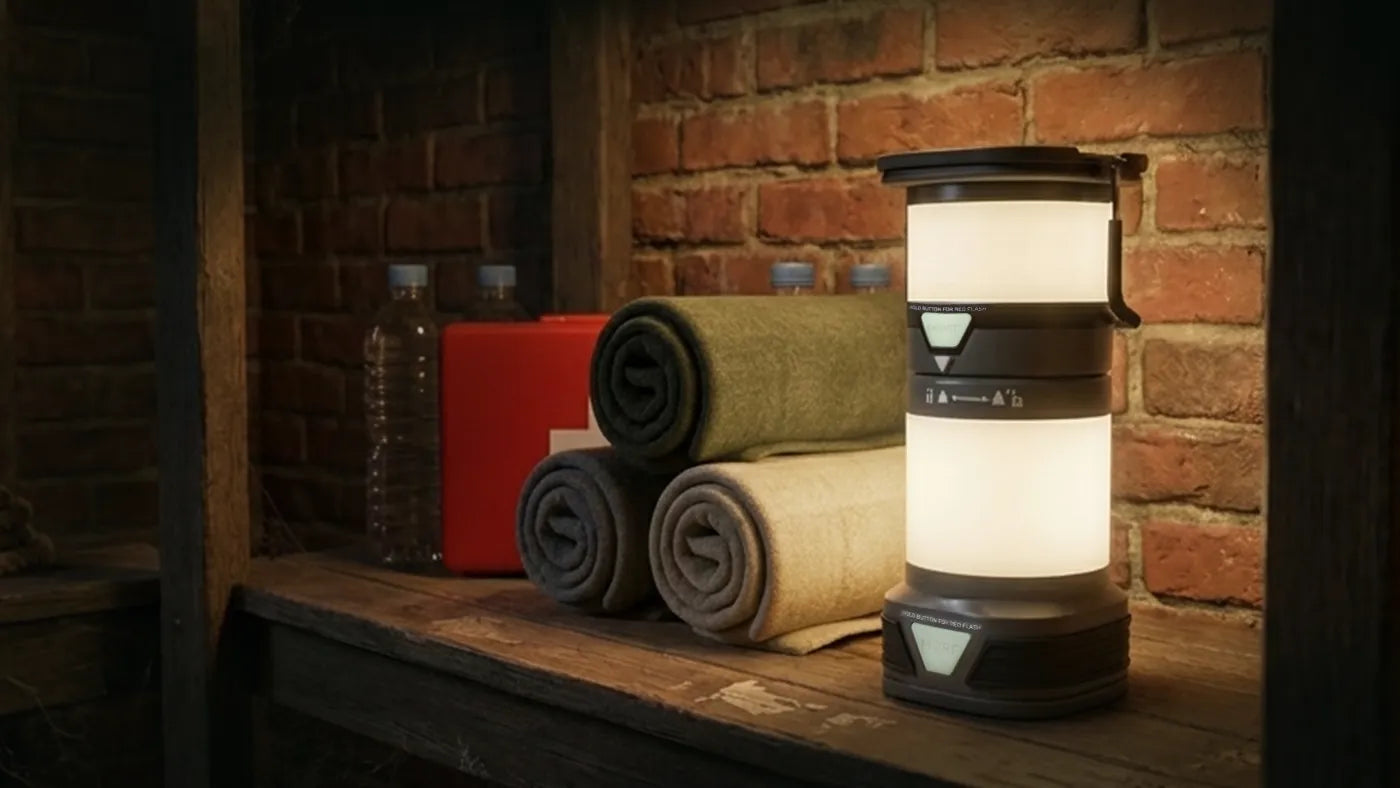
AA and AAA batteries are the most widely sold batteries in the country. You can find them at gas stations, grocery stores and hardware stores, and probably in a drawer at home already. A battery-powered flashlight needs no charger, no cable and no outlet. When it dims, you swap in fresh batteries and it’s back to full brightness in seconds. That makes these lights a dependable choice for a glove box, a nightstand or a utility drawer, where a light may sit for months before you need it.
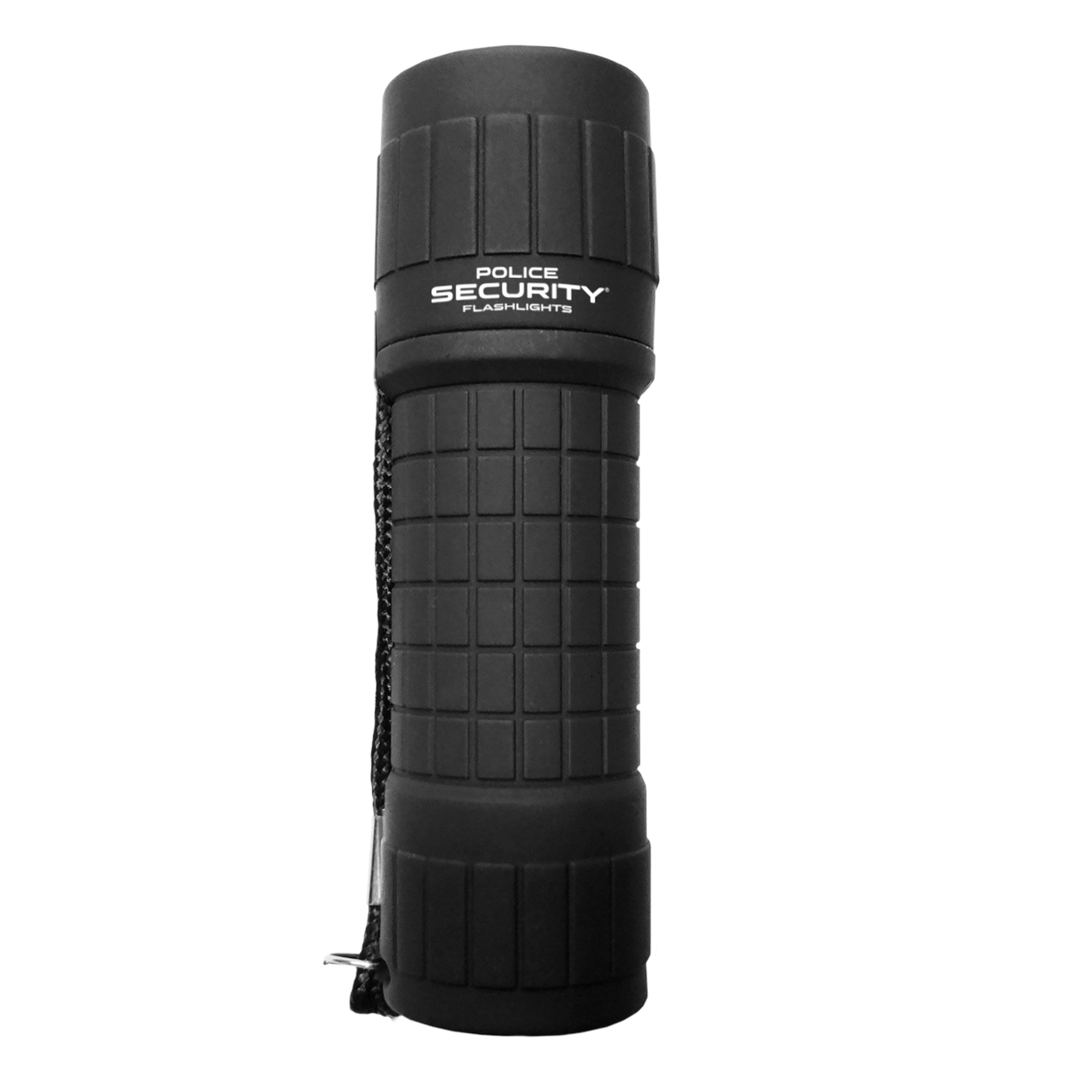
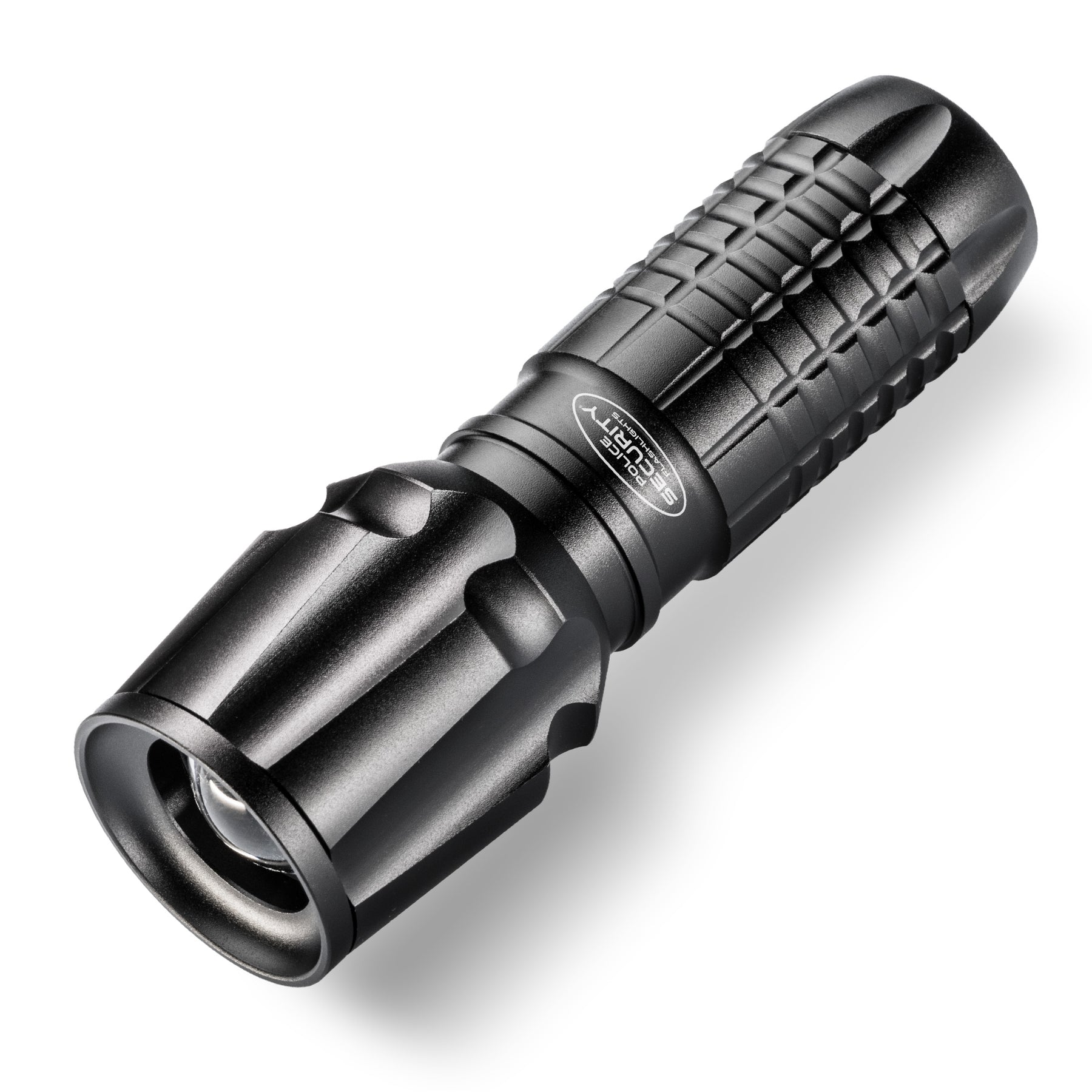
AA vs. AAA Flashlights: Which Size Do You Need?
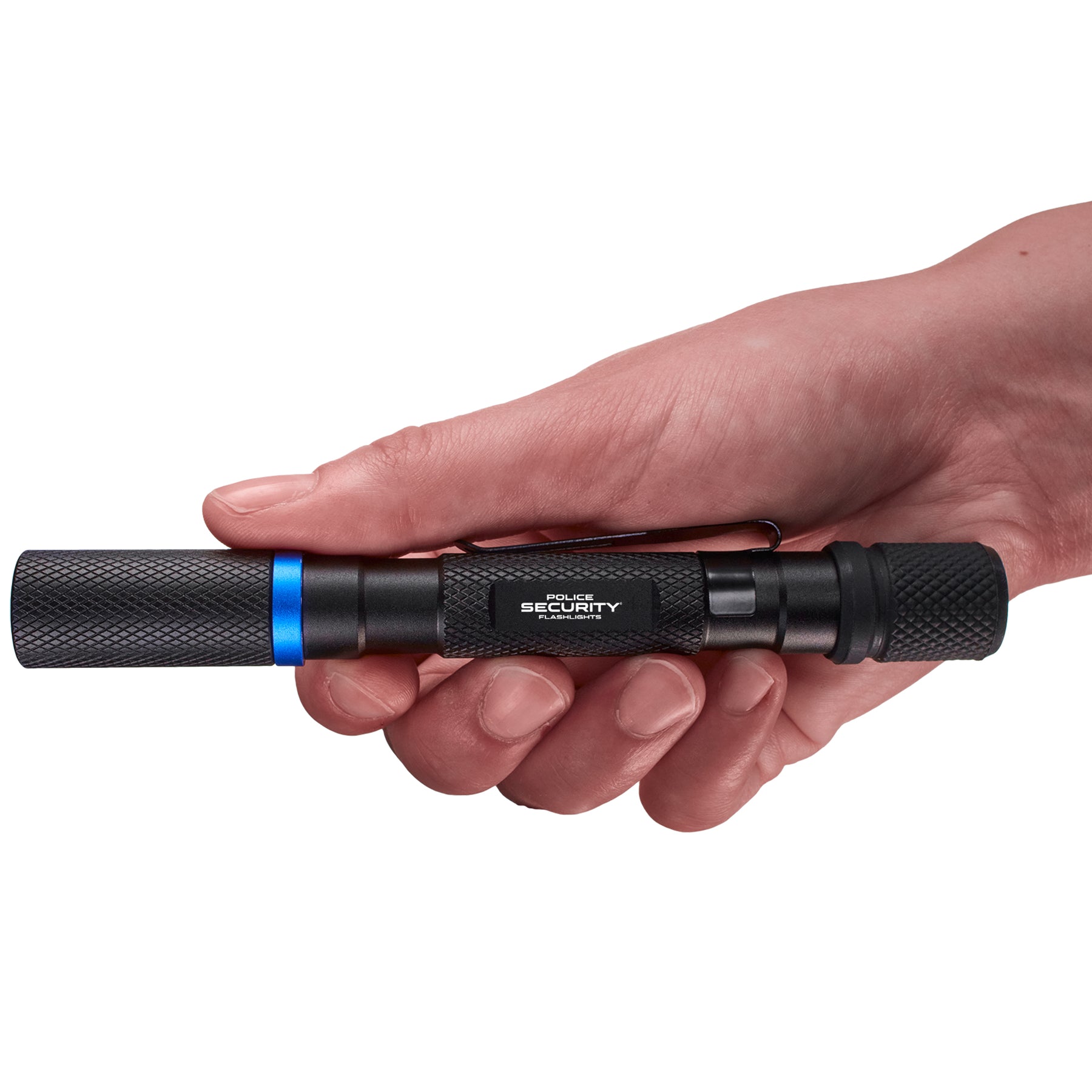
AAA flashlights: smaller and lighter.
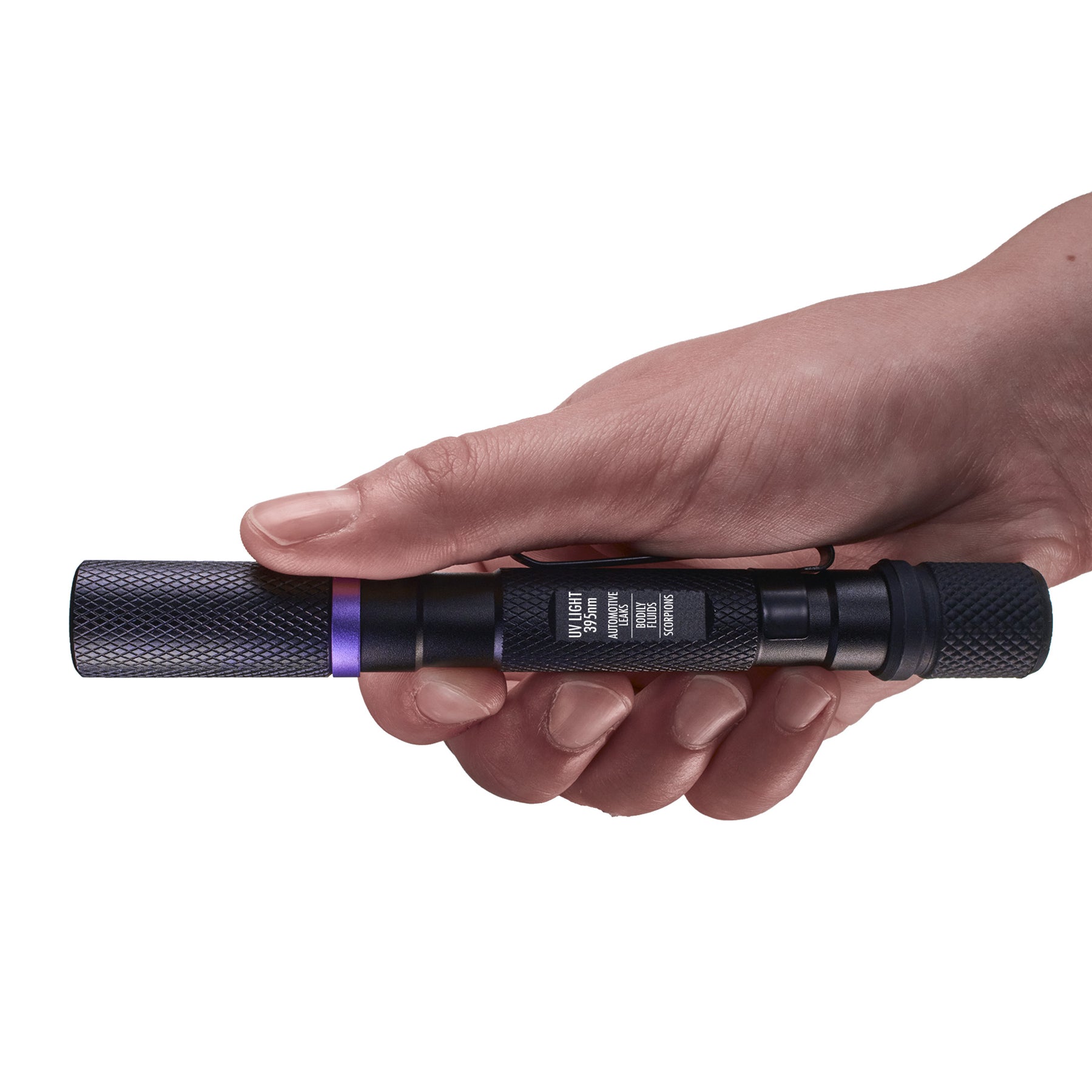
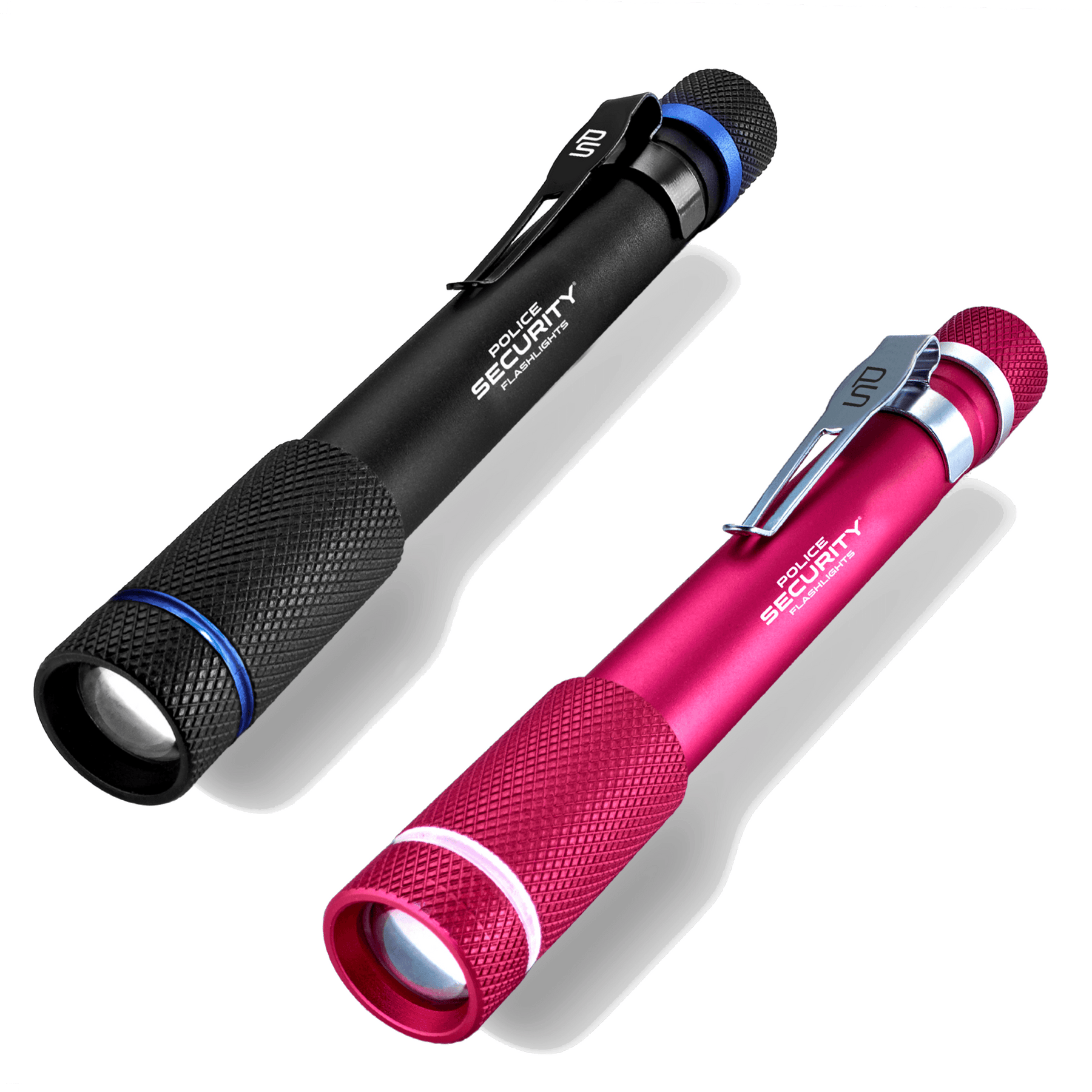
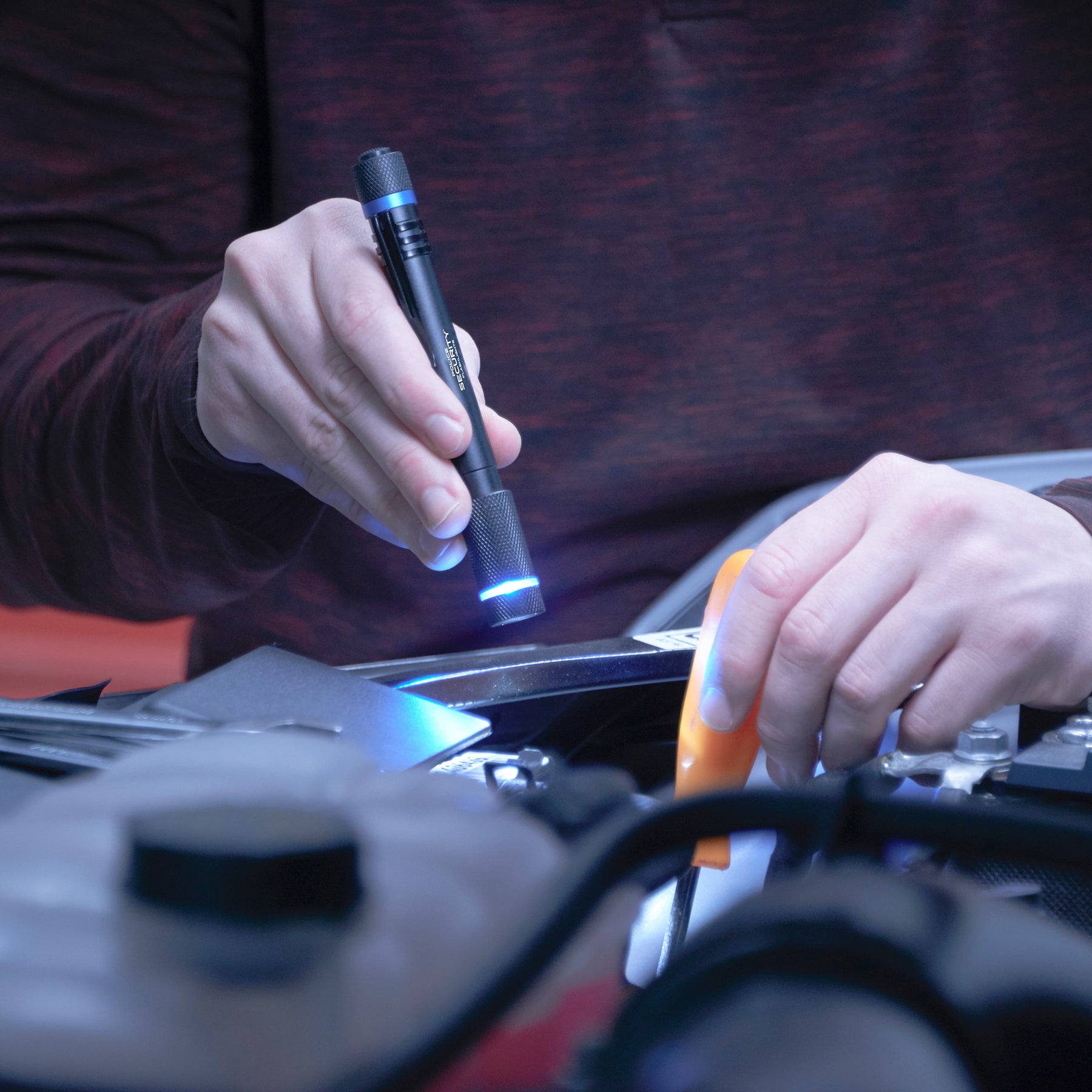
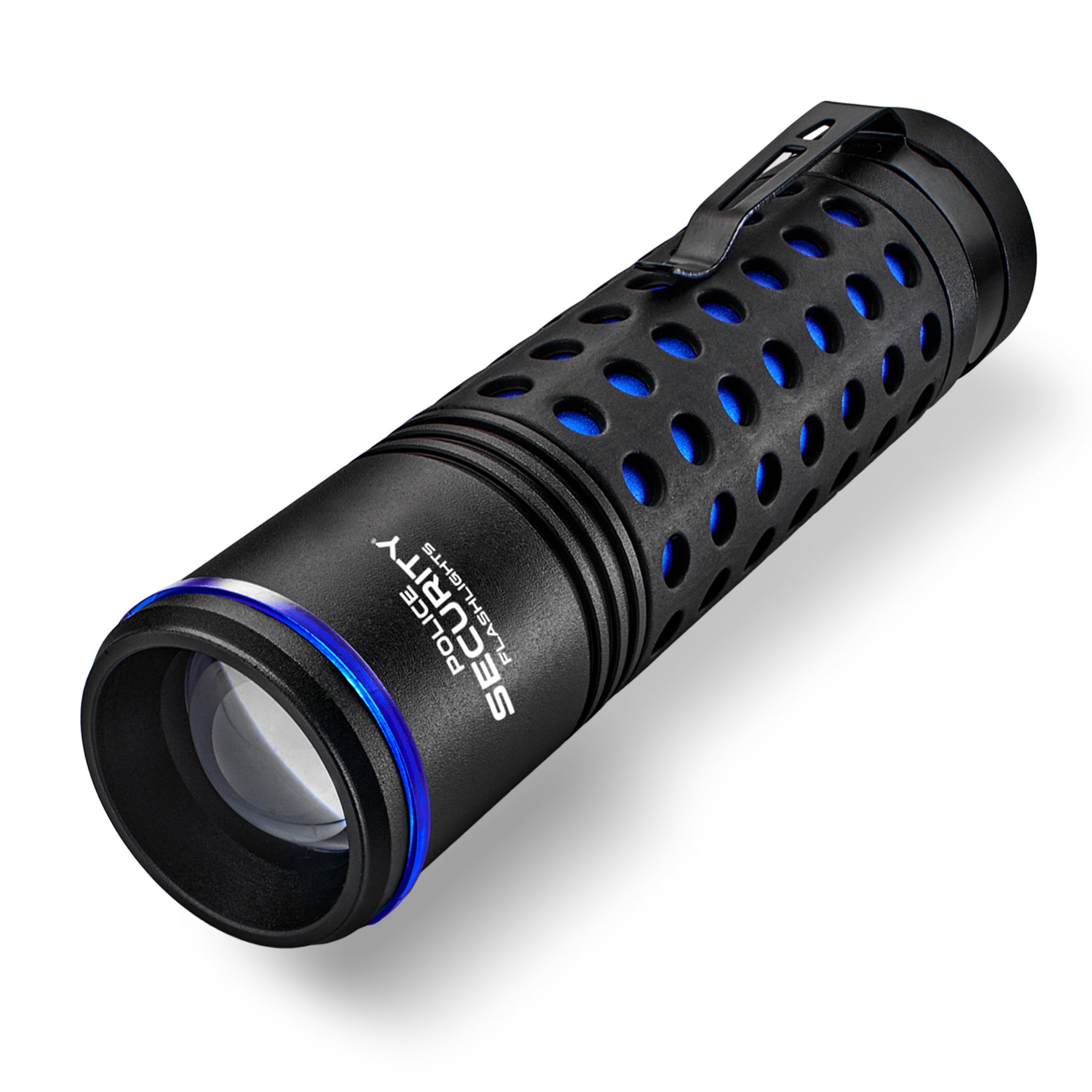
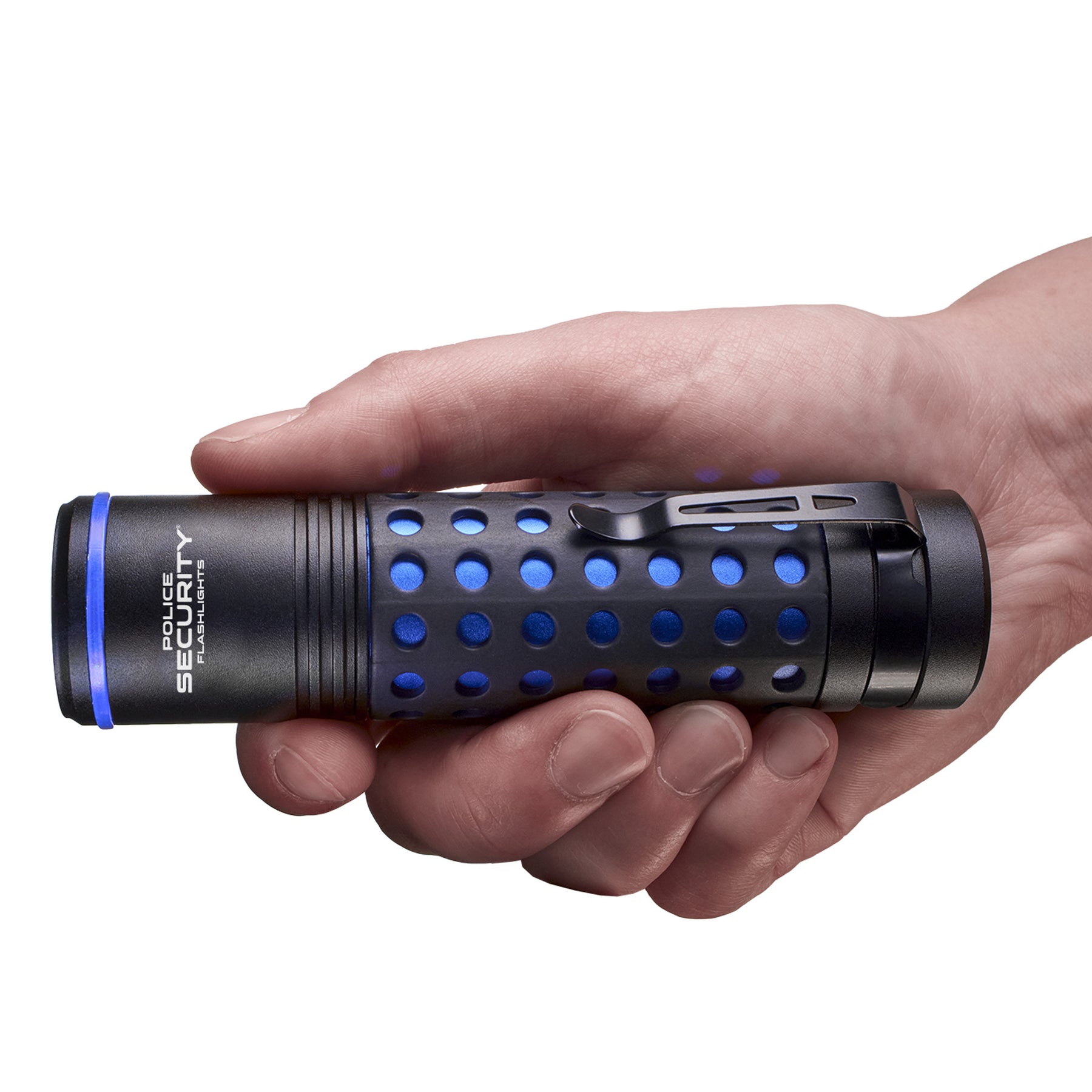
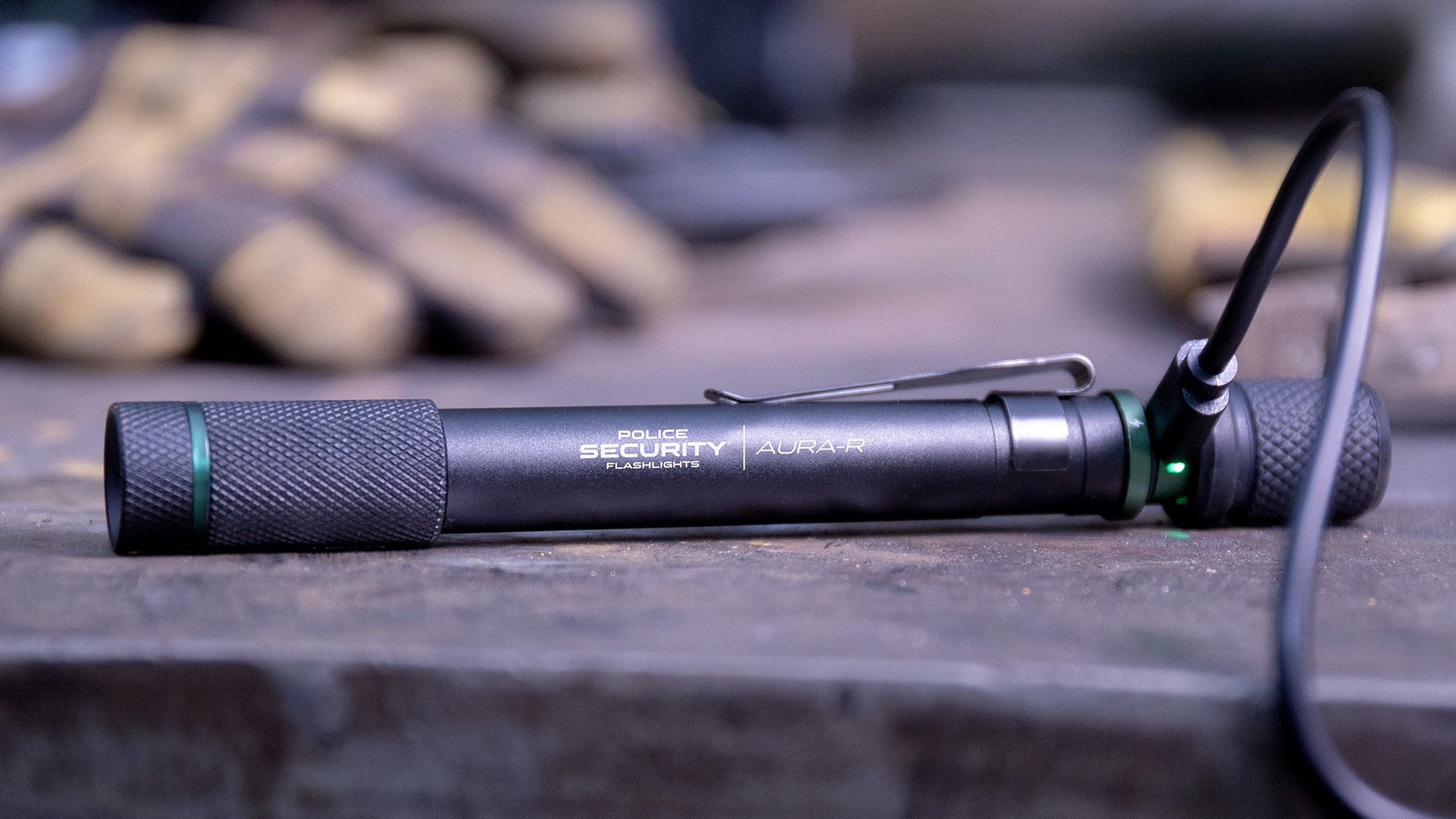
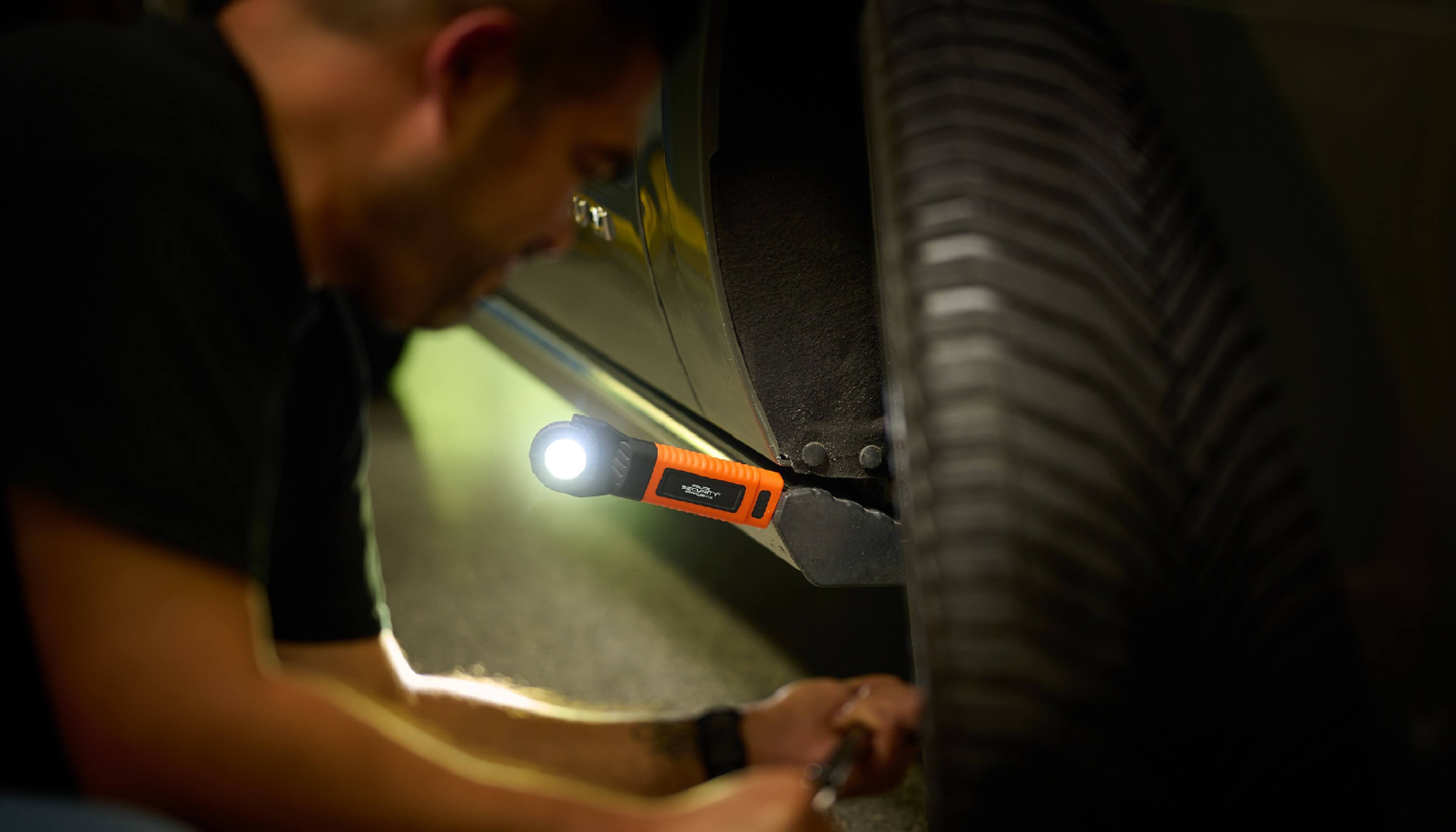
AAA cells are slimmer, so AAA lights tend to be penlights and pocket flashlights that ride easily in a shirt pocket, purse or toolbox. They suit close-up work such as reading labels, checking a breaker panel or looking under a sink.
AA flashlights: more power per battery.
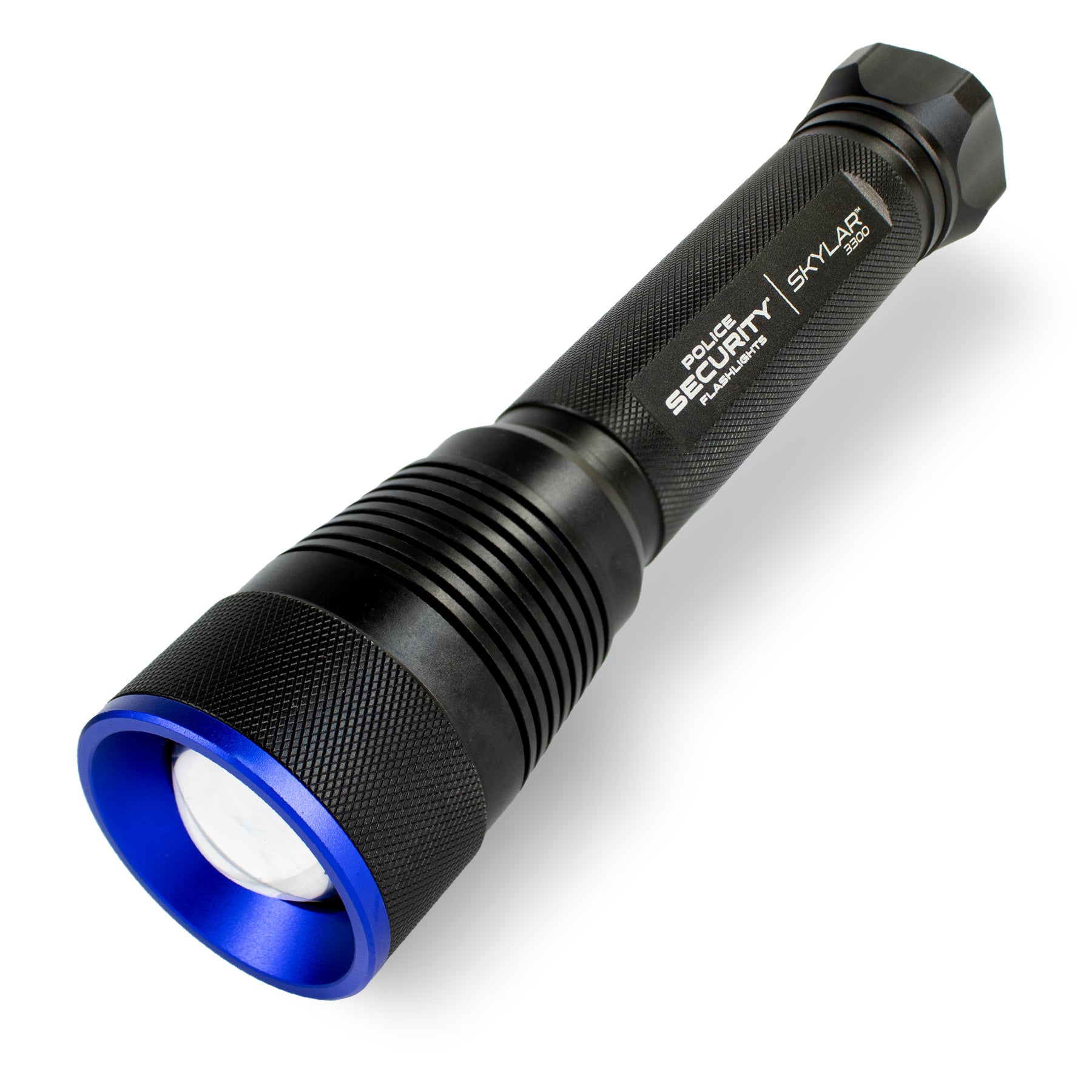
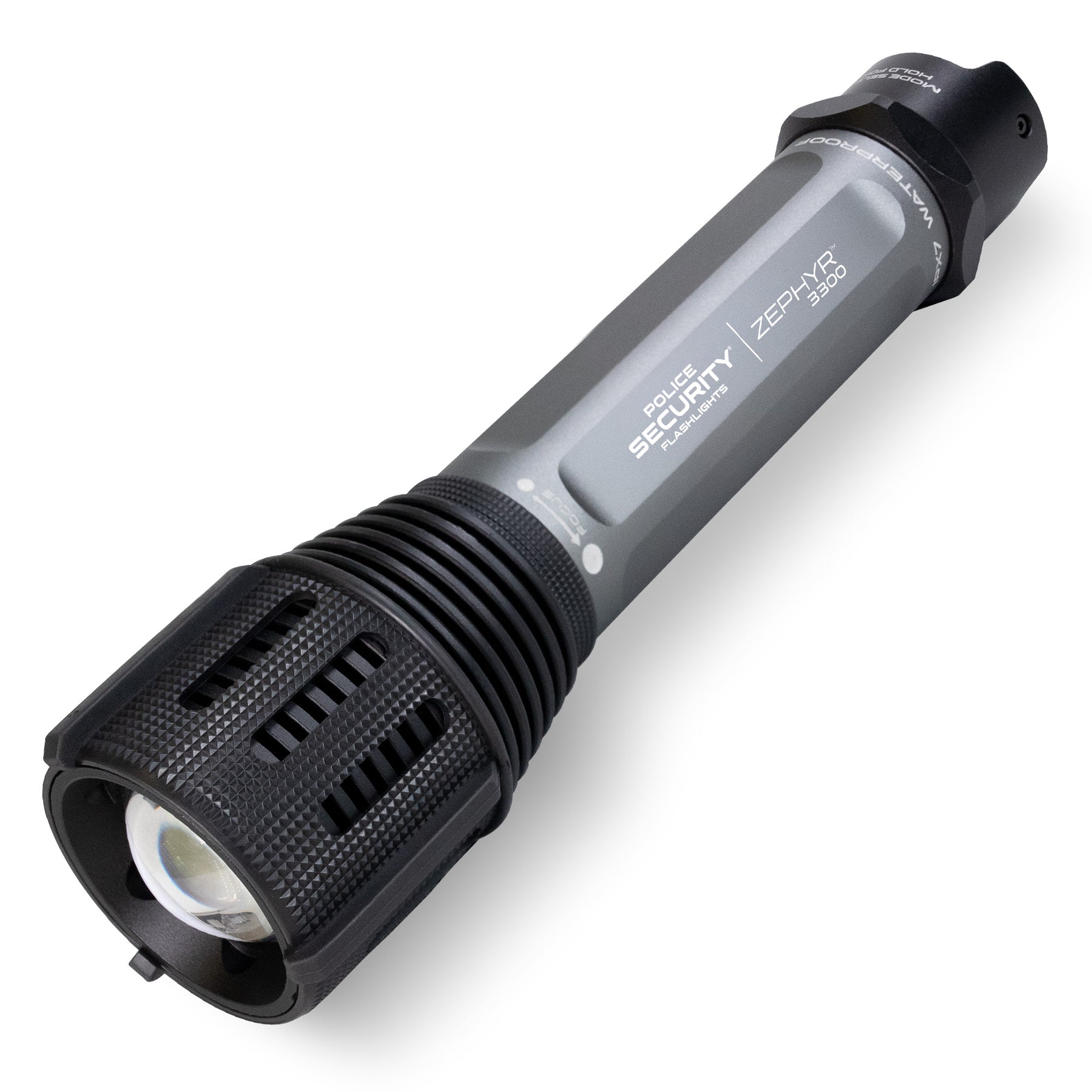
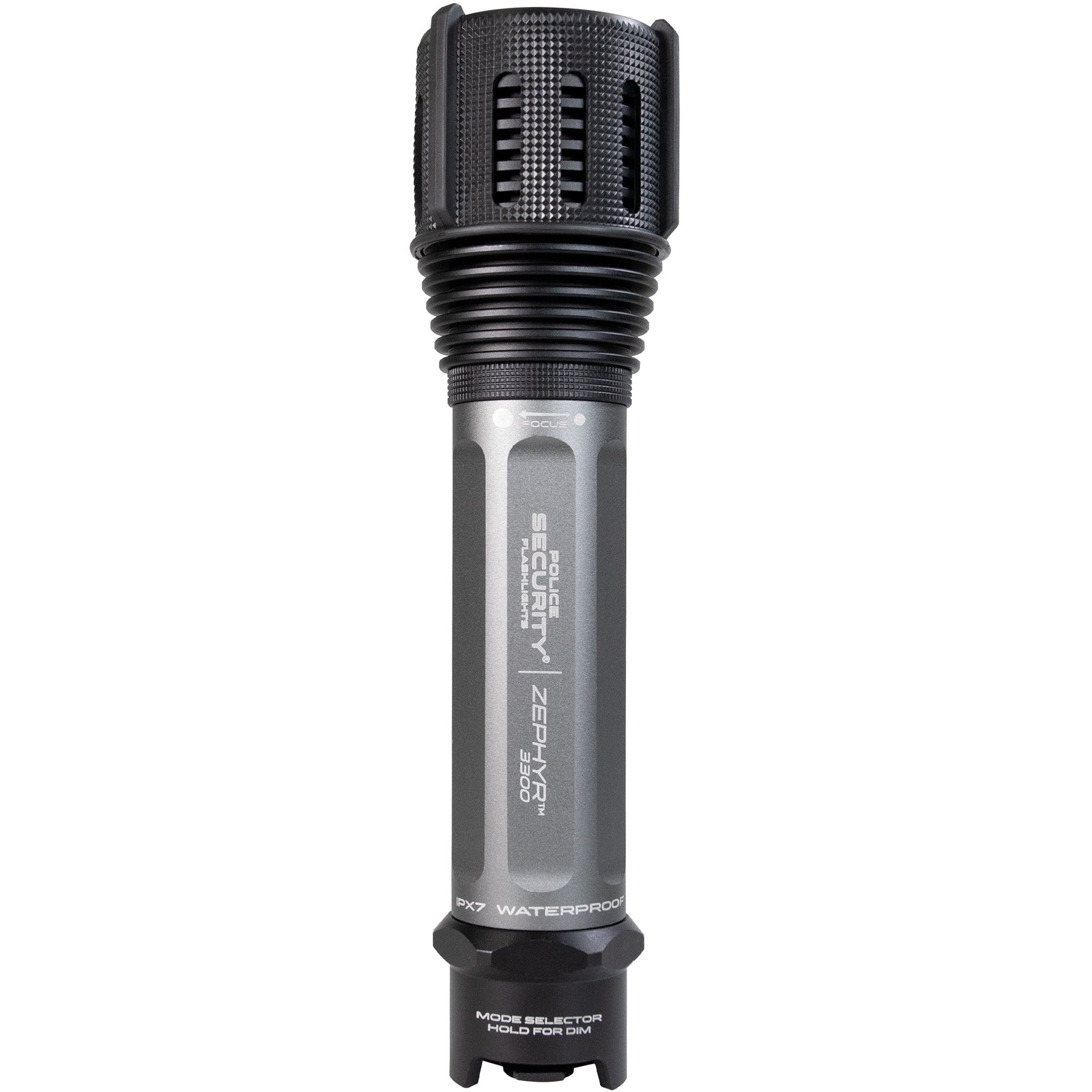
An AA cell holds roughly two to three times the energy of a AAA. AA lights generally run longer or brighter at a similar size. Multi-battery designs that use six or nine cells reach the high-output, long-throw end of the range.
Battery-Powered or Rechargeable?
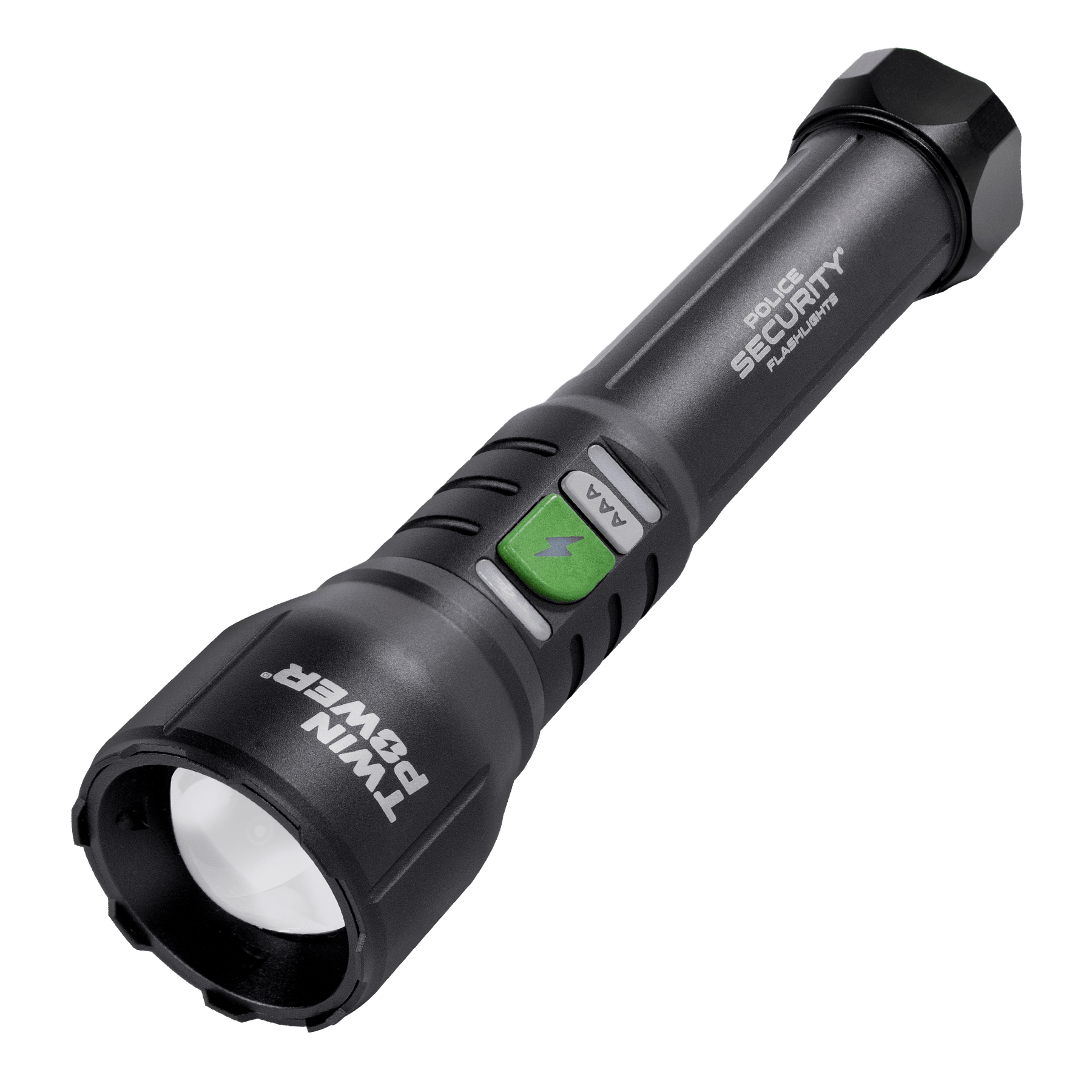
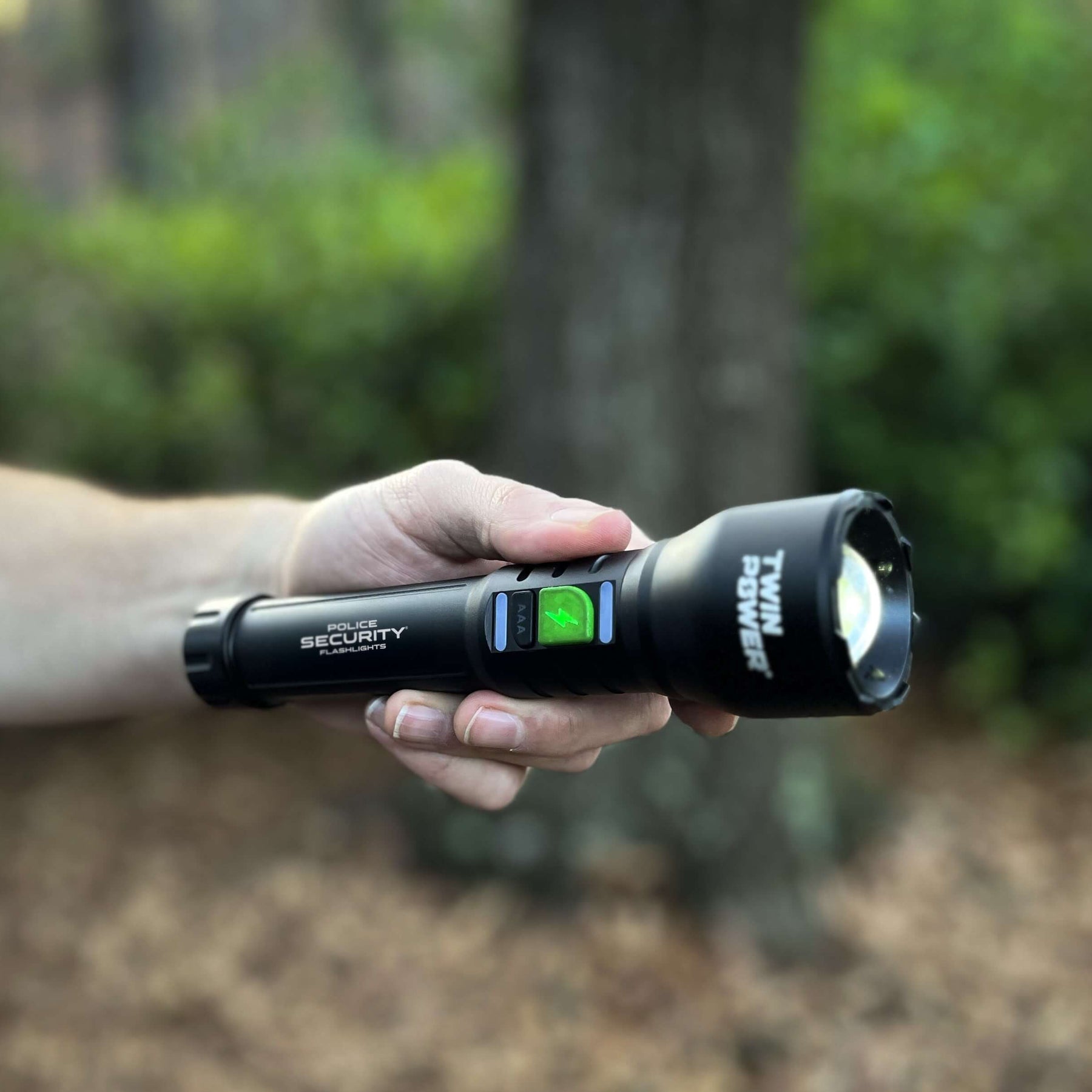
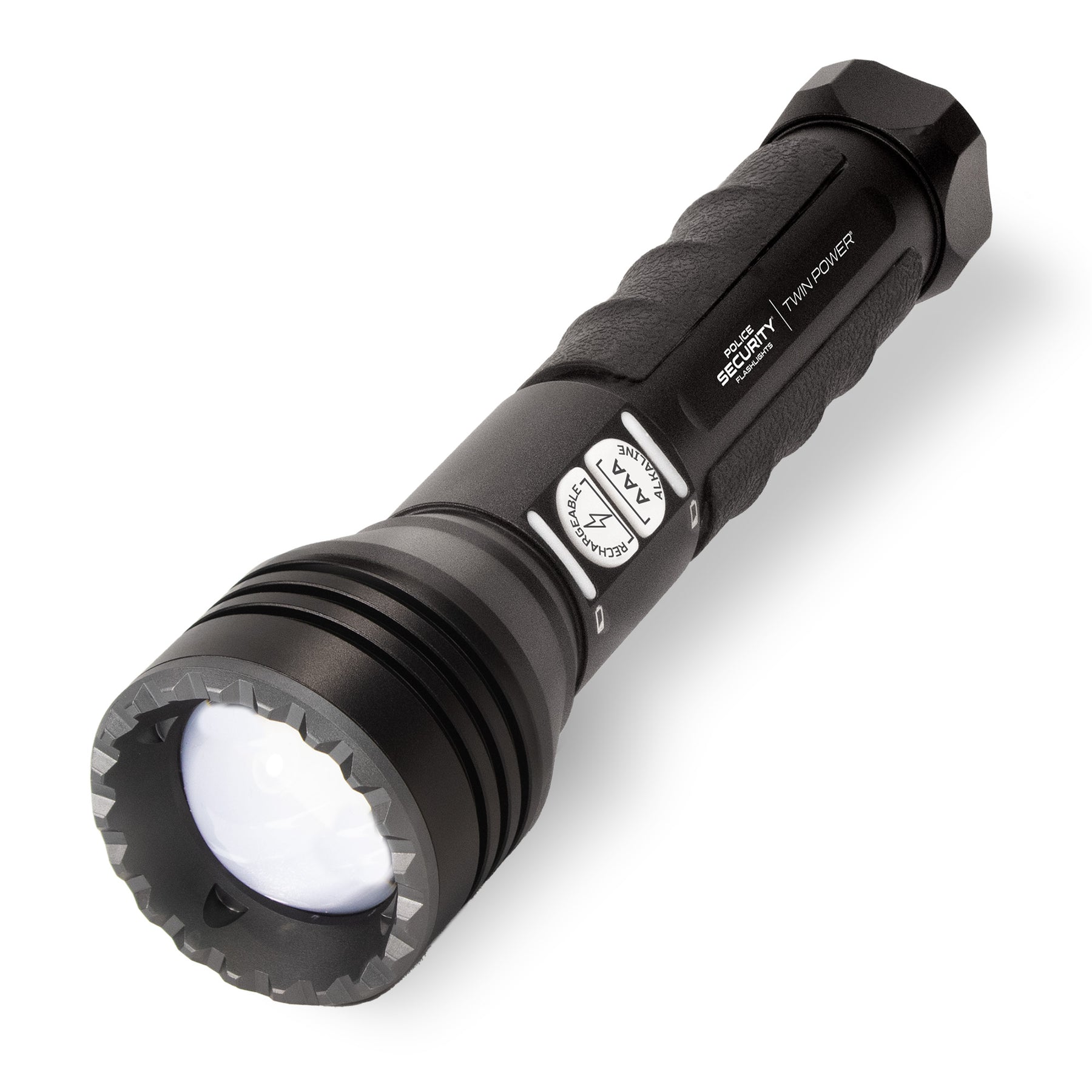
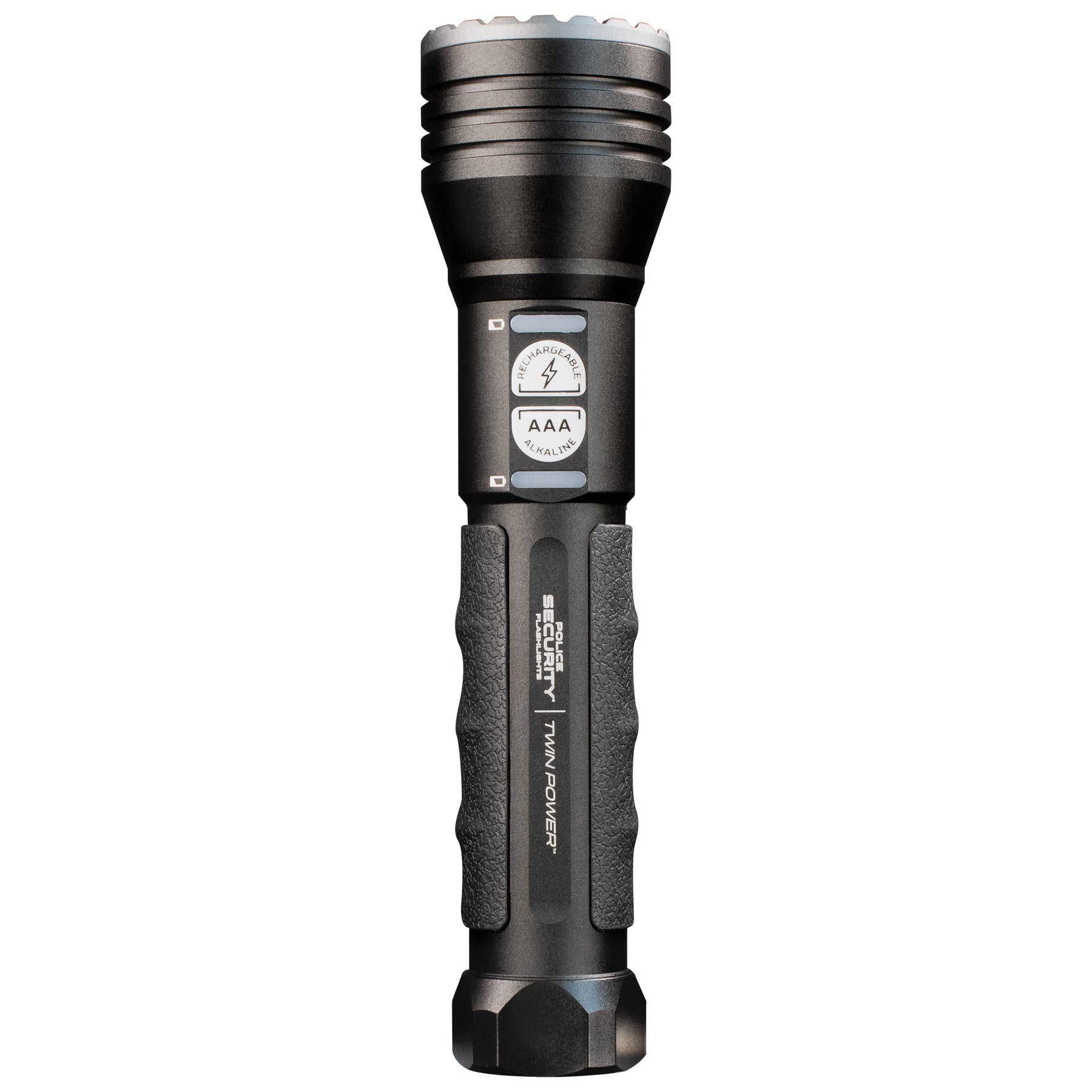
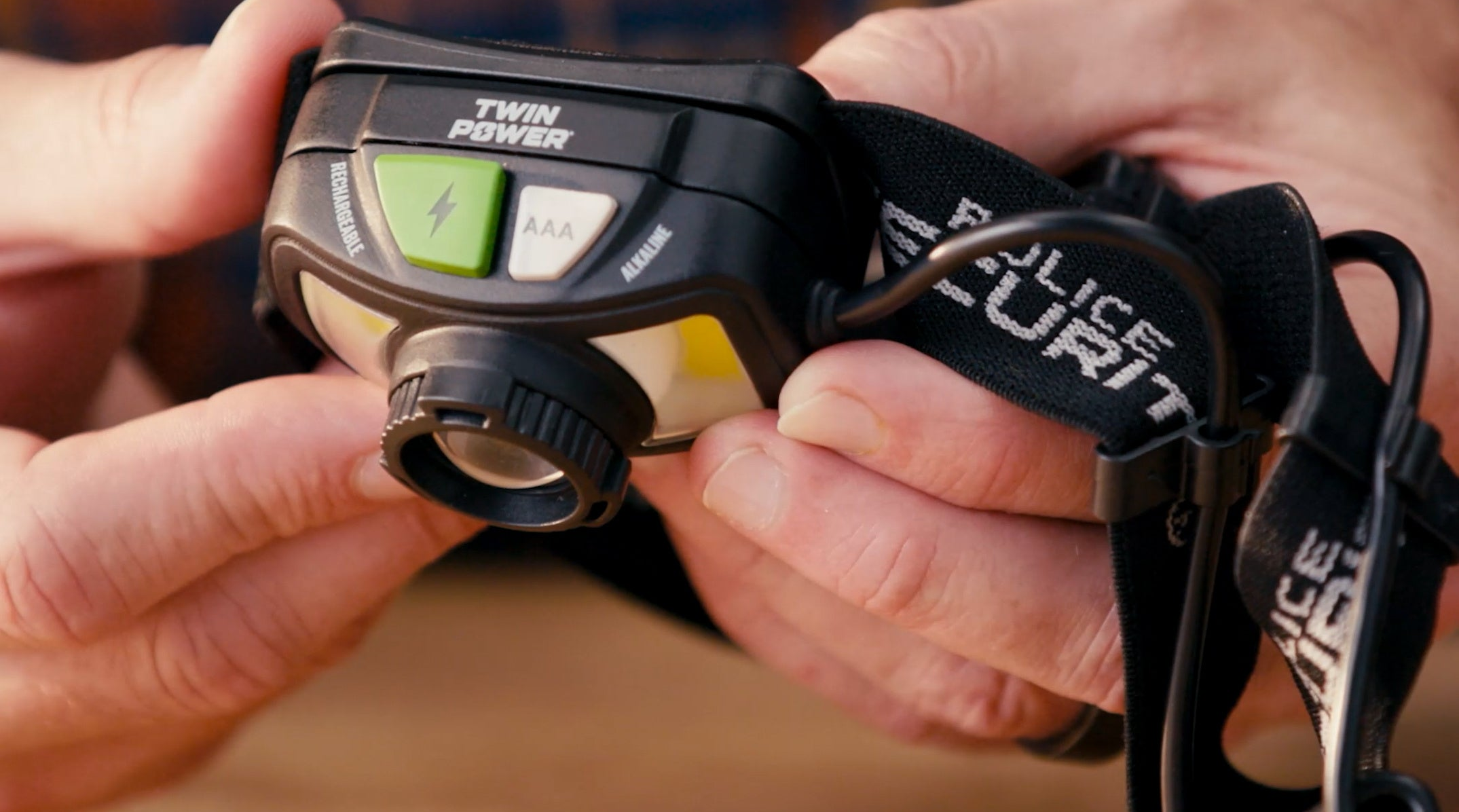
If you use a flashlight daily, a rechargeable flashlight saves money on batteries over time. If a light spends most of its life waiting for an emergency, or you need power with no outlet nearby, AA and AAA lights are the simpler choice. If you want both, Twin Power® lights charge over USB and also accept AAA batteries as a backup.
Battery Care Tips
Alkaline batteries can leak if they sit drained inside a light for a long time. Battery corrosion is the most common way a stored flashlight gets ruined, and our warranty doesn’t cover it since it has nothing to do with manufacturing defects. For a light you’ll store long-term, keep fresh batteries in a sealed bag beside it instead of inside it, and test it every few months.