

Camping Lanterns & Flashlights: The Complete Guide
Every camping trip needs light, the question is which kind, and how much of it. Get it right and you've got a campsite that feels like home after dark. Get it wrong and you're squinting at a tent zipper by the glow of your phone.
This guide covers everything you need to know before you buy: whether you need a lantern, a flashlight, or both, what matters when you're comparing options, and how to match your setup to the kind of trip you're taking.

Do You Need a Lantern, a Flashlight, or Both?
Short answer: most campers end up wanting both, but they do different jobs, and knowing which one solves which problem will save you from buying the wrong thing.
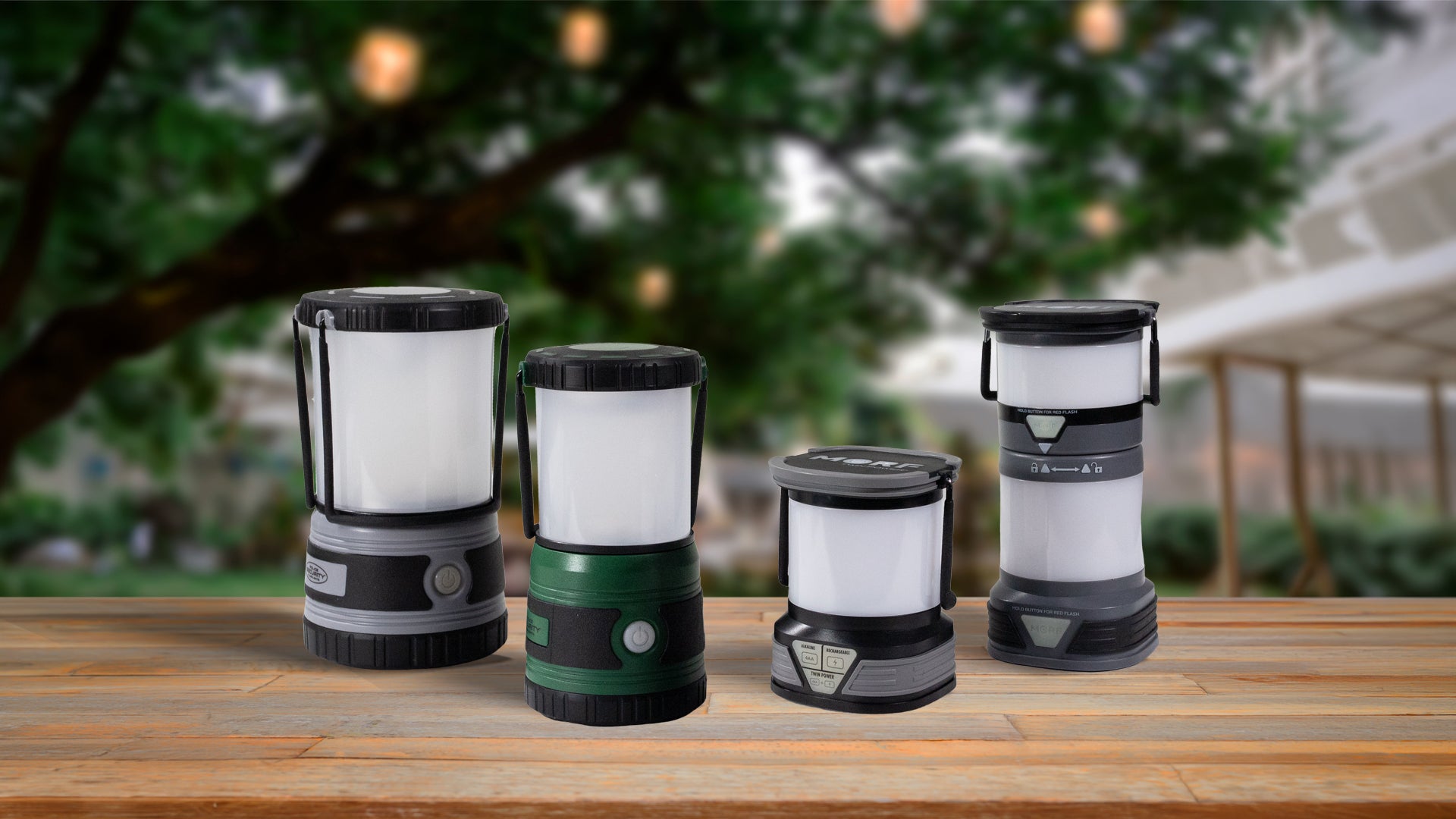
A camping lantern throws light in every direction. It's built to fill a space, a tent, a picnic table, a whole campsite, so everyone around it can see without needing to point anything at anything. A camping flashlight, on the other hand, is directional. It's built to show you exactly where you're pointing it, which matters a lot more than you'd think once the sun goes down.
Setting Up Camp
If you’re setting up your camp in the evening, this is lantern territory. You want your hands free to pitch a tent, start a stove, or dig through a pack, and a camping lantern hung from a branch or a hook does that better than anything you'd have to hold.
Hiking or Walking After Dark
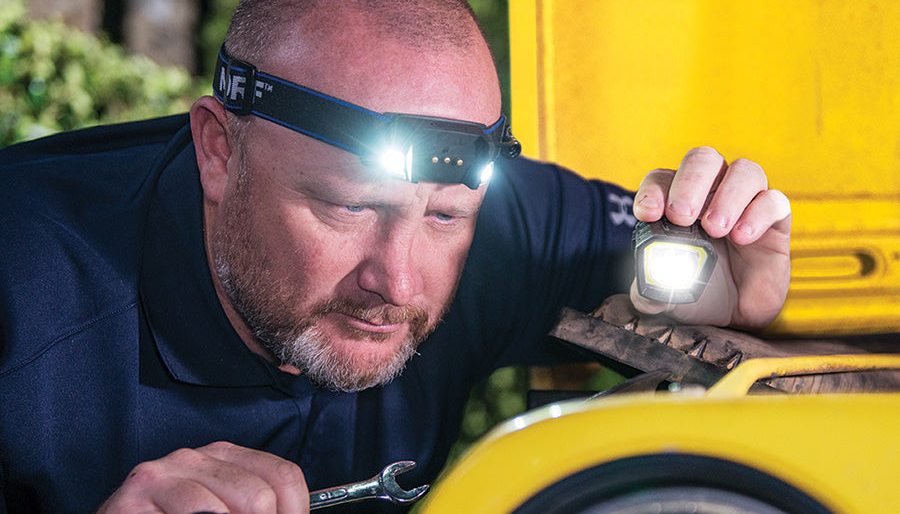
This is flashlight (or headlamp) territory. You need a focused beam to see the trail, spot roots and rocks, and keep your night vision from getting wrecked by light bouncing everywhere.
Inside the Tent
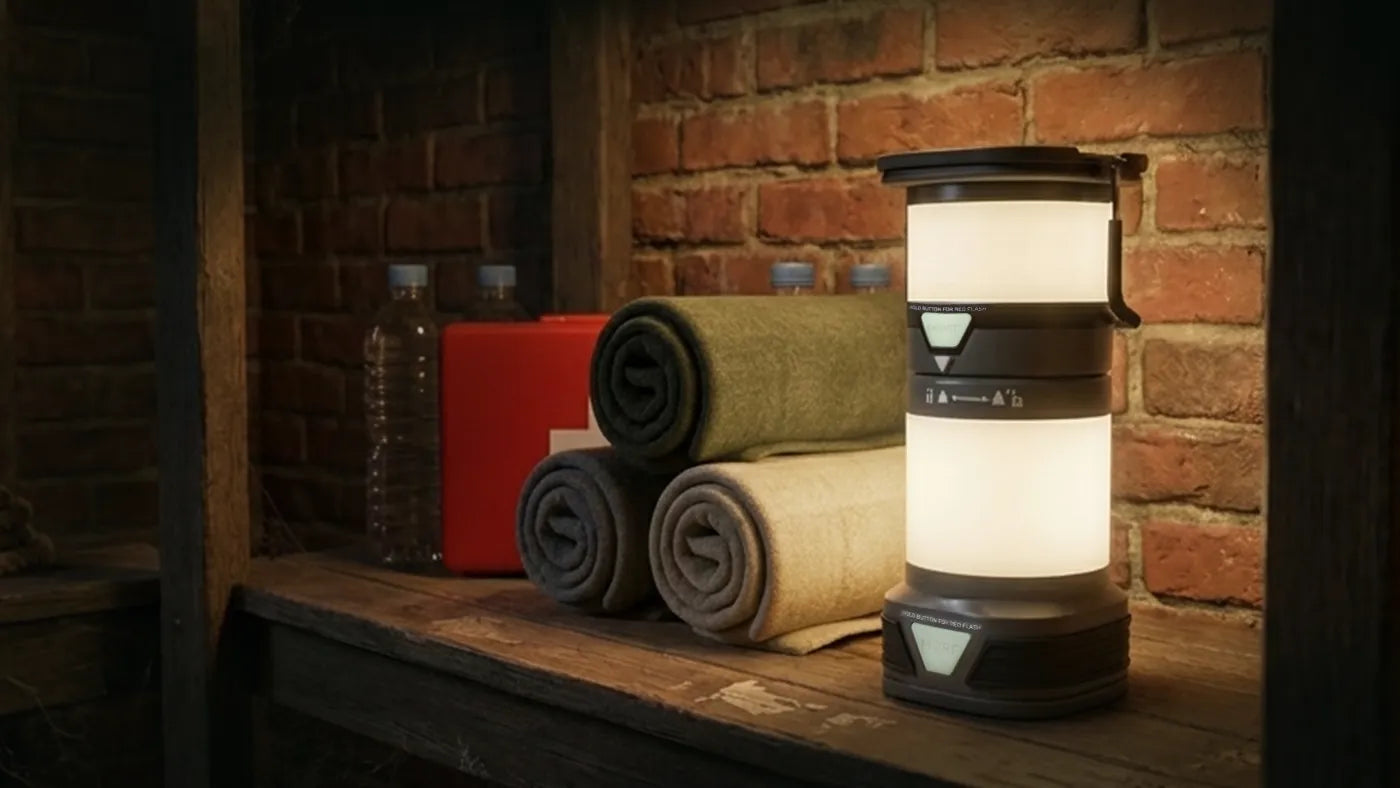
Another lantern win. A soft, wide light is a lot easier on the eyes at bedtime than a flashlight beam aimed at the ceiling. Many camping lanterns offer multiple brightness modes, some dim enough that it has a gentle glow that makes the tent feel cozier.
Emergencies and Signaling
Flashlight, no contest. You need throw distance and, ideally, a strobe function if you're trying to get someone's attention.
Family or Group Camping
Both. One lantern for the basecamp, a flashlight per person for anyone wandering off to the bathroom or gathering firewood. This is the scenario where skipping one or the other usually backfires.

What to Look For in Camping Lighting
Camping lights range widely, and the specs that matter change a bit once you factor in tent packing, multi-night trips, and actual outdoor conditions.
Size and weight. If you're backpacking, every ounce counts, and a compact flashlight or even a headlamp beats a bulky lantern every time. That being said, there are some very small lanterns that are easy to carry.
If you're car camping, weight barely matters and you can go bigger without a second thought since storage isn’t really an issue.
Runtime. This is the spec people skip and regret skipping. A light that's blindingly bright for two hours isn't as useful as one that runs steady all night. Check the hours-per-charge or hours-per-battery-set before you buy, not after. And remember, you may not be using the high brightness mode all the time. A light's low-mode runtime often matters more day-to-day than its headline number.
Brightness. More lumens isn't automatically better. A camping lantern lighting up a six-person campsite needs more output than a flashlight you're using to read a map. Group size matters more than people expect here: a lantern for two people at a small tent site can get away with modest output, while a lantern meant to light an entire group campsite, picnic table, cooking area, and all, needs to throw a lot more light to reach every corner. Match the brightness to the job, not the number on the box.
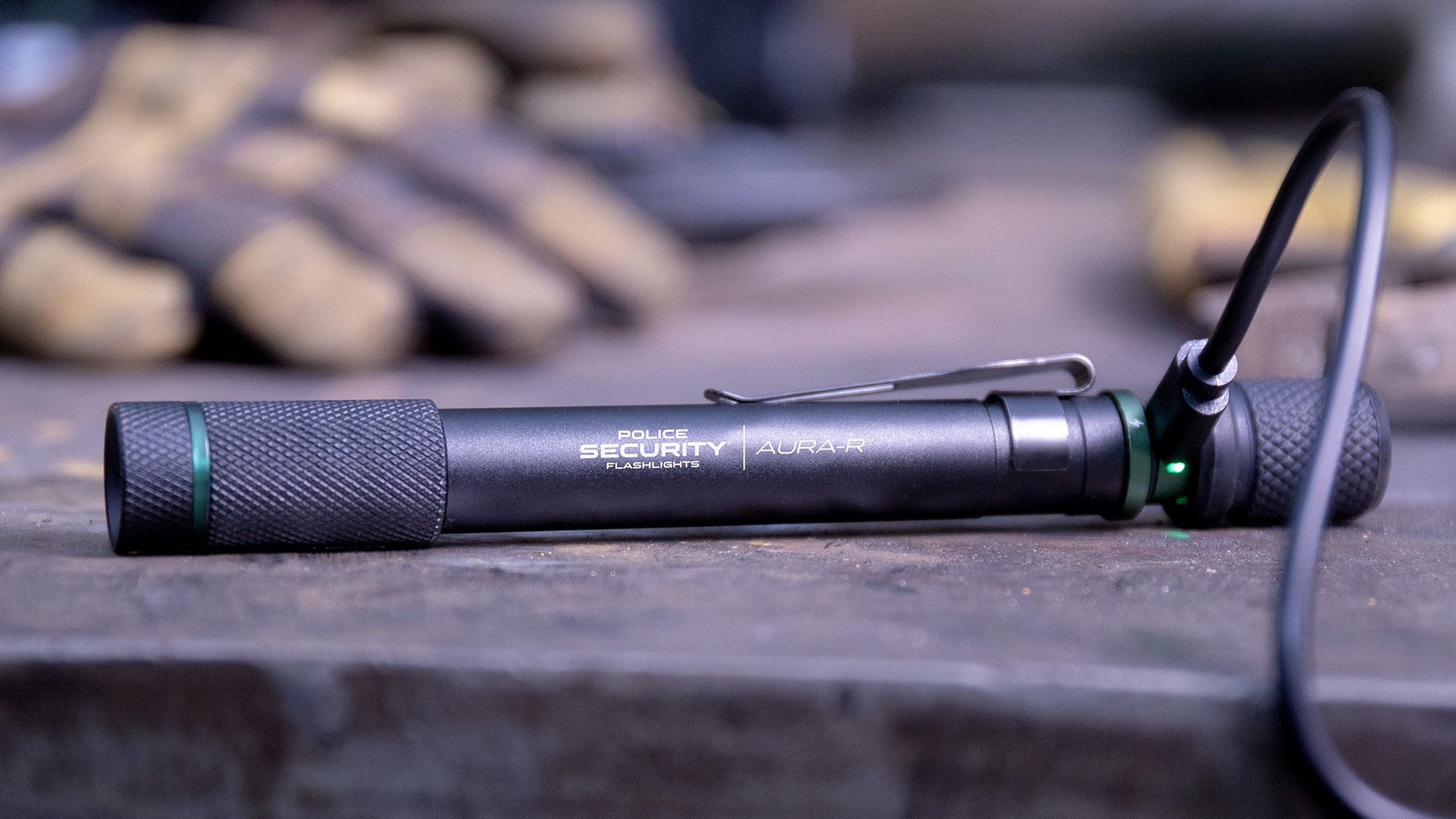
Weather resistance. Dew, rain, dropped-in-a-creek moments, camping gear takes a beating. Look for something built to handle the outdoors, not something that's technically fine as long as it stays dry.
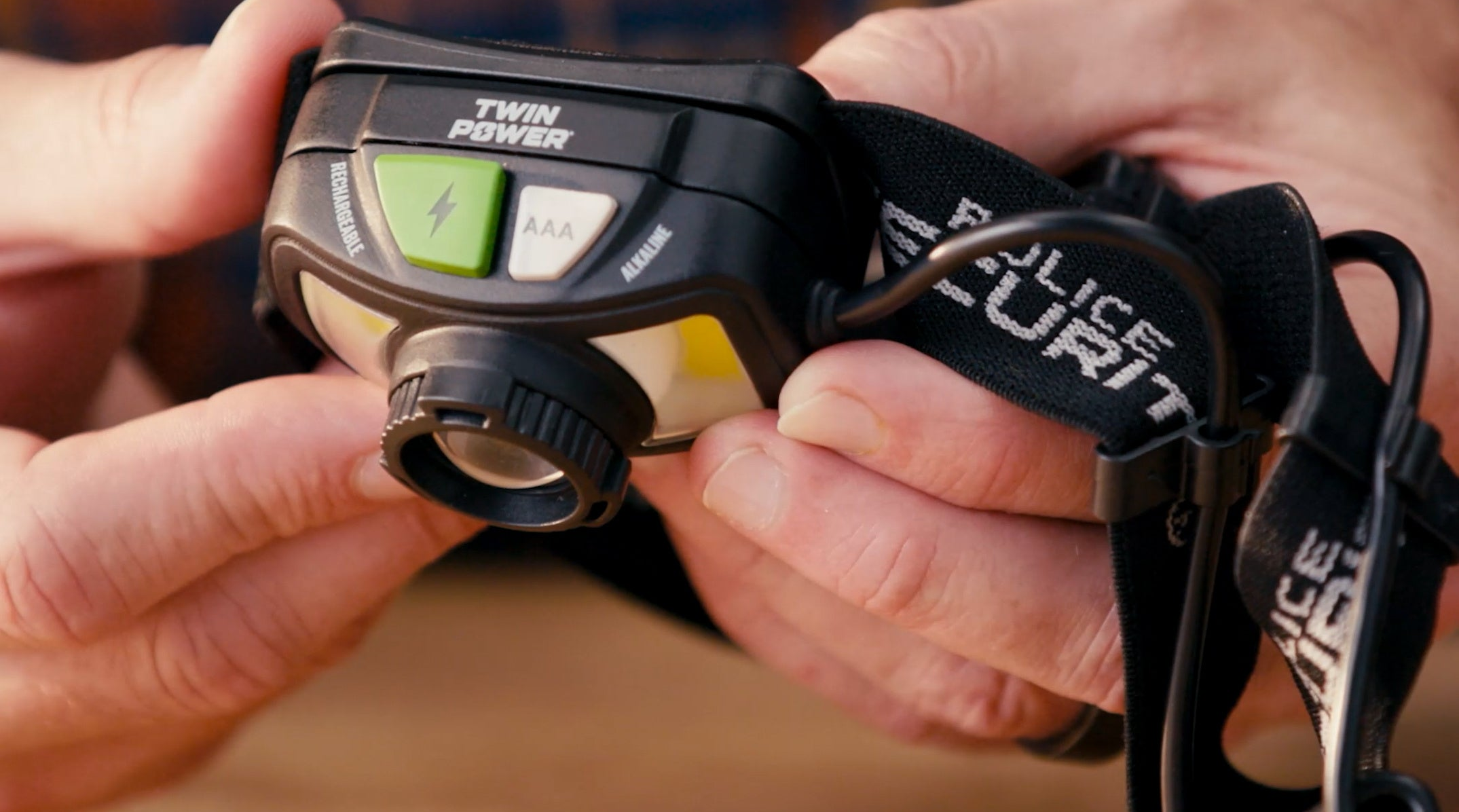
Rechargeable vs. battery. Rechargeable is convenient for weekend trips where you can top off before you leave. Battery-powered (or a light that takes both) is the safer bet for longer trips where an outlet isn't happening. Either way, consider bringing spare batteries just in case.
Extra features. A handful of smaller features end up mattering a lot more once you're actually at the campsite, so it's worth asking a few questions before you buy.
- A hook or carabiner - If you're planning to hang your camping lantern from a branch, a tent loop, or a pack strap, this isn't optional. A lantern with nowhere to hang ends up sitting on the ground, which cuts its usable light in half and makes it easy to kick over.
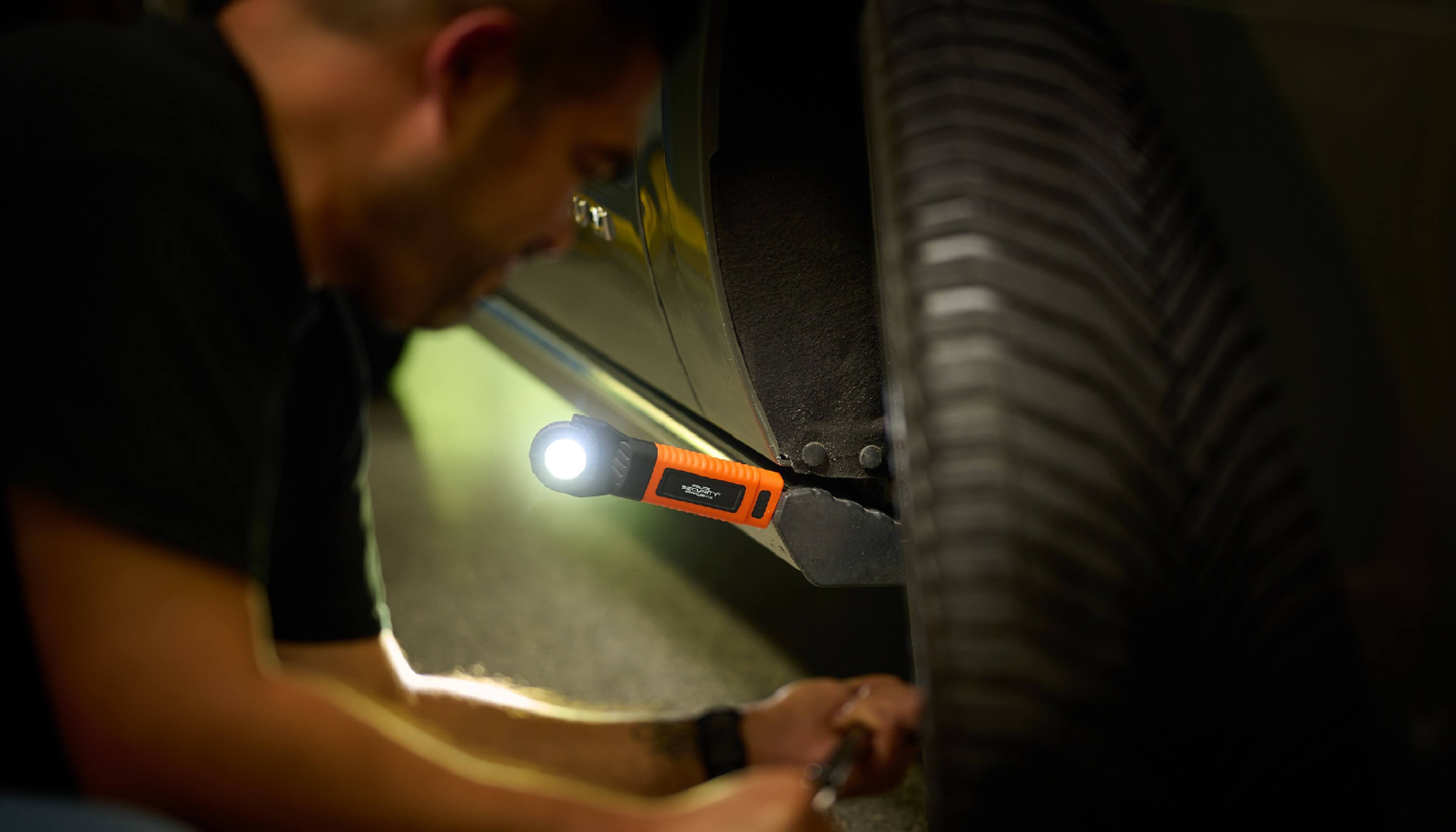
- Magnetic base - If you're working on anything hands-on after dark, setting up a camp stove, fixing a tent pole, digging through a cooler, a magnetic base means you can stick the light to a metal surface and keep both hands free. It's a small feature that solves a surprisingly common problem.
- Red-light or night-vision mode - Yes to night vision mode, especially if you're camping with other people. Red light preserves your night vision far better than white light, so you're not blinded stepping out of a lit tent, and it doesn't wake up everyone else at the campsite when you're just looking for your shoes at midnight.
- Adjustable brightness modes - They do matter, mostly because they let one light cover multiple jobs. A camping lantern that can dip down to a soft glow for reading in the tent and crank up to full output for cooking dinner saves you from needing two separate lights.
None of these are dealbreakers on their own, but they add up to a lot less fumbling in the dark.

Matching Light to Trip Type
The right setup really does depend on what kind of camping you're doing. Here’s how to help prioritize what light to get.
Solo backpacking
Weight and pack space rule everything. A compact, lightweight flashlight or headlamp usually covers it, a full-size lantern is often more than you need to carry. Many solo backpackers skip the lantern entirely and rely on a headlamp for both hands-free camp chores and trail navigation, since carrying two light sources for one person rarely earns its weight.
Car camping and family trips
Space isn't a constraint, so this is where a proper camping lantern earns its keep. Bring one for the basecamp and a flashlight for each person old enough to carry one. A single shared "home base" lantern at the picnic table keeps everyone oriented, while individual flashlights mean nobody's stuck asking to borrow the one light in camp for a bathroom run.
Multi-night and extended trips
Runtime becomes the deciding factor. A light that's great for one night can leave you in the dark on night three if you haven't thought through how you'll keep it charged or stocked with batteries. This is where it pays to actually calculate your runtime needs ahead of time rather than assuming: a lantern rated for 3 hours on high but 50 hours on low is a very different trip-planning equation depending on which mode you actually end up using most.
Emergency-ready camping
If part of the goal is being prepared for whatever comes up, weather, an early nightfall, an unplanned extra night, prioritize lights with long shelf life and a power source you can count on without needing an outlet. A sudden storm that keeps you at the campsite an extra day shouldn't also mean rationing your last bit of battery.
Camping Lighting Safety Tips
A few habits that matter more than people expect:
- Keep a light within reach at night. A flashlight you have to dig through a pack for at 3 a.m. isn't doing its job. Keep it in a tent pocket, right next to your sleeping bag, or somewhere else you can grab it without thinking.
- Test everything before you leave. Charge it, check the batteries, turn it on. The trailhead is not the place to find out your lantern's dead.
- Use red-light or night vision mode when you can. For those late night trips to the bathroom or just finding a good stargazing spot, use the night vision option. It preserves your night vision and doesn't blast everyone else in the tent or campsite awake.
- Always carry a backup. One light source is one point of failure. A second flashlight, even a small one, is cheap insurance.
- Don't run your light down before you need it. It's tempting to leave a lantern on all evening, but know your runtime and budget it, especially on multi-night trips. The alternative is to bring many backup batteries. Then you can let it run as long as you’ve got the power.
Shop by Need
Not sure where to start? Here's where to go next depending on what you're after:
- Looking for a camping lantern? See our picks in Best Camping Lanterns of 2026
- Looking for a camping flashlight? Check out The Best Flashlights for Camping
-
Want a rechargeable option? Browse our full lineup of Rechargeable Flashlights

FAQ
How many lumens do I need for camping? It depends on the job. A camping lantern lighting a whole campsite benefits from higher output (say 400 - 500 lumens), while a flashlight for reading a map or finding your way to the bathroom needs a lot less (probably less than 50 lumens). More lumens also means more battery drain, so match brightness to what you're actually doing rather than defaulting to the highest number available.
Is a lantern or flashlight better for camping? Neither replaces the other. Lanterns are better for filling a space with light allowing you to light up your tent or the area of your site, flashlights are better for pointing at something specific like if you’re heading out onto a trail. Most campers end up wanting both.
How long do camping lanterns last? Runtime varies a lot by brightness setting and power source. Lower brightness modes stretch runtime significantly, which is worth factoring in if you're planning a multi-night trip and don't want to run out of light on the last night. As an example, our Rechargeable Lantern runs up to 50 hours on the lowest setting of 40 lumens and 3 hours on the highest setting of 1500 lumens.
What type of lantern is best for camping? LED lanterns have mostly replaced fuel and gas lanterns for a reason: no open flame, no fuel canisters to pack, and consistent light output without the upkeep. Rechargeable and battery-powered LED lanterns are the standard for most modern camping setups.
Which camping lantern is best? It depends on the trip. For a family basecamp, a higher-output lantern with a long low-mode runtime covers the most ground. For solo or ultralight trips, a compact lantern (or skipping the lantern for a headlamp) makes more sense. See our full breakdown in Best Camping Lanterns of 2026.
What is the brightest camping lantern? Brightest isn't always best, a lantern's peak lumen output usually comes at the cost of runtime, so the highest-lumen option may only last a few hours at full brightness. Look at both the peak output and the runtime at that setting before assuming brighter is the better buy.