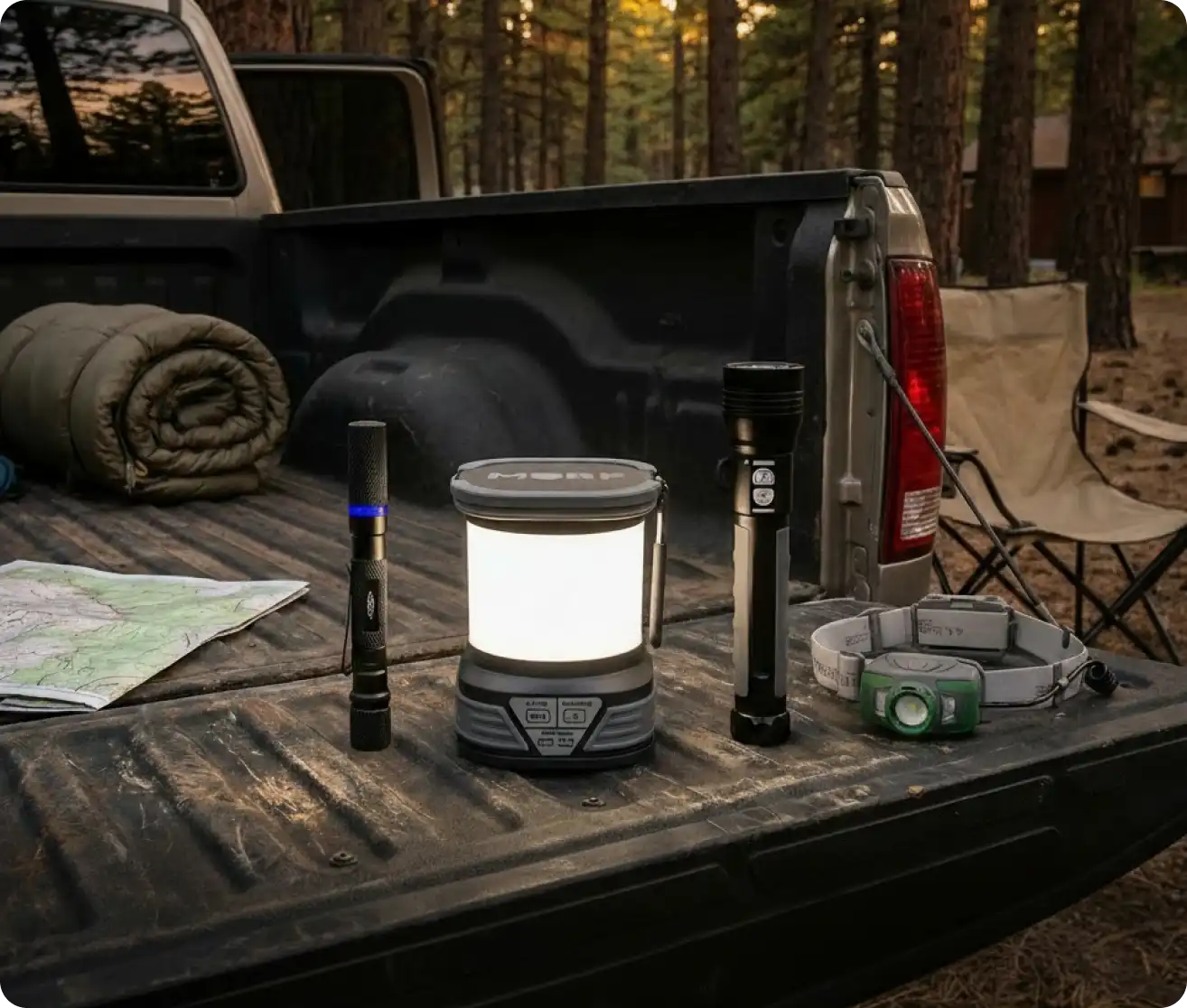
Every campsite has one lighting problem that's easy to overlook until you're dealing with it: what do you use inside the tent itself? A headlamp is too aimed. A big lantern is too much. And "just use your phone flashlight" is how you end up with a dead phone and no light at all by morning.
So let’s go over what makes a light good for tent use and a few picks worth packing. The right light for camping tent use makes a bigger difference than people expect. It's basically the difference between a cozy night and a frustrating one.
What Makes a Good Camping Tent Light
Hang-ability
A light sitting on the tent floor throws harsh shadows and takes up space you don't have. A light you can hang from the ceiling loop, a hook, or a carabiner clipped to a strap lights the whole space evenly and stays out of the way.
Low-glare, warm light
A bright white beam bouncing around nylon walls a foot from your face is not a relaxing way to end the day. A warm-toned light, or a lantern with a dimmable low mode, is a lot easier on the eyes at bedtime.
Compact size
Tent space is already limited. A light that takes up a chunk of your gear footprint is a light you'll resent by the third night. Smaller is almost always better here.
Battery life
You're not running this light for hours of continuous use like a trail light, but you are relying on it every single night of the trip. A light that dies on night two of a five-night trip is a light you'll wish you'd left at home.
Camping Light for Tent: Lantern vs. Clip-On Light

Both work, and which one fits depends on what else you're carrying. Most camping light tent setups fall into one of two categories, lantern or clip-on, so here's how to figure out which one fits your trip.
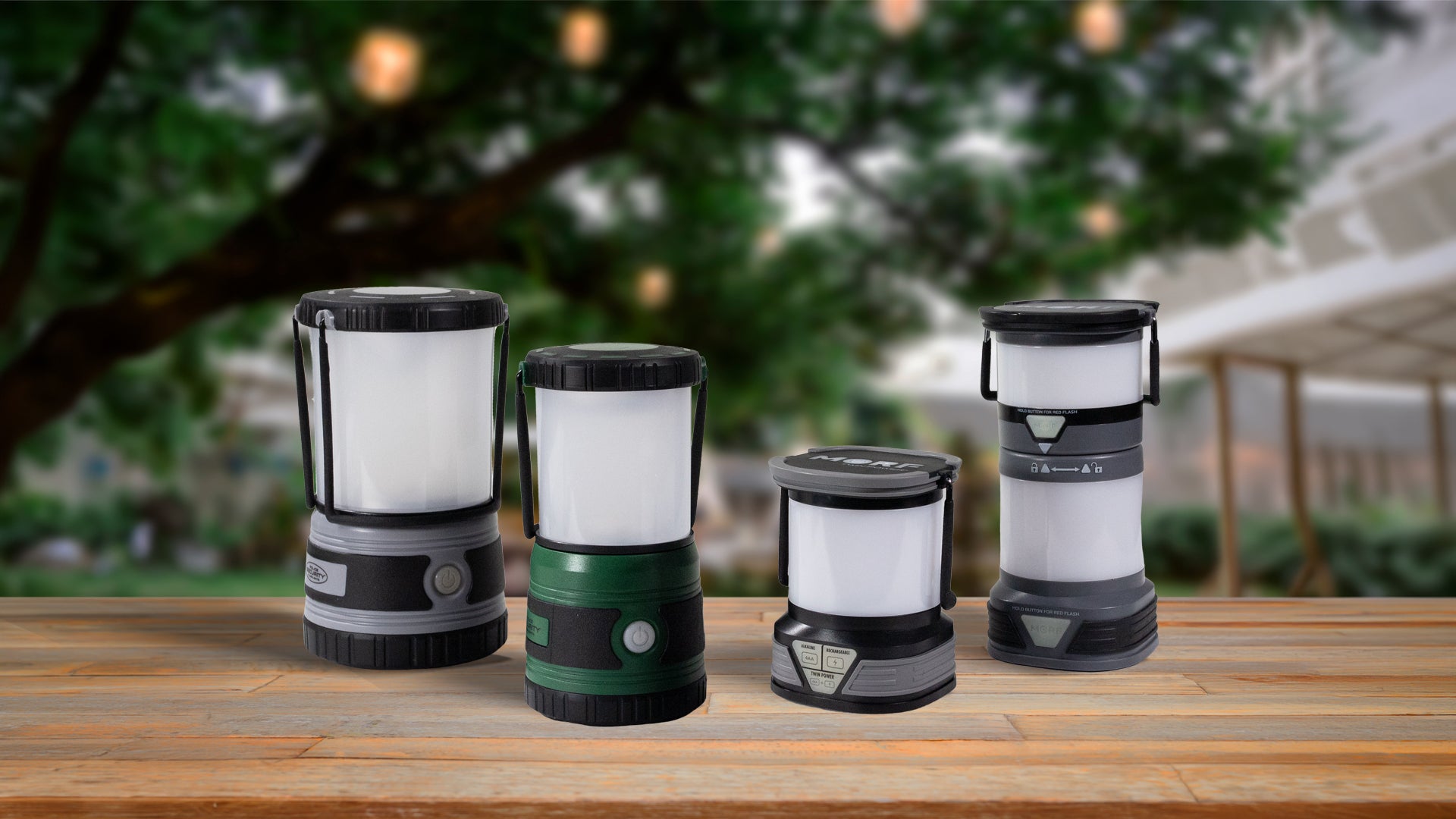
A lantern gives you even, all-around light, which is usually the better experience if you're sharing the tent or want enough light to read, organize gear, or just see clearly without squinting. The tradeoff is size, even a small lantern takes up more space than a clip-on.
A clip-on light is the minimalist's answer. Attach it to a loop, a strap, or the tent ceiling, and you get a small pool of usable light without adding real weight or bulk to your pack. The tradeoff is coverage, a clip-on light is more of a single point of light than something that fills the whole tent.
If you're solo and packing light, a clip-on is usually enough. If you're sharing a tent, organizing gear inside, or just want a comfortable space at night, the lantern's worth the extra size.
A little planning goes a long way with tent light camping, since the right setup really depends on your tent size, trip length, and how many people are sharing the space.
For the full breakdown of lantern vs. flashlight vs. headlamp for your whole camping setup, not just the tent, see our Camping Lanterns & Flashlights: The Complete Guide.
Top Picks for Camping Tent Lights
Here are our top tent camping light picks, whether you want an all-around lantern or a minimal clip-on option.
Best Lantern: MORF 2-in-1 Lantern

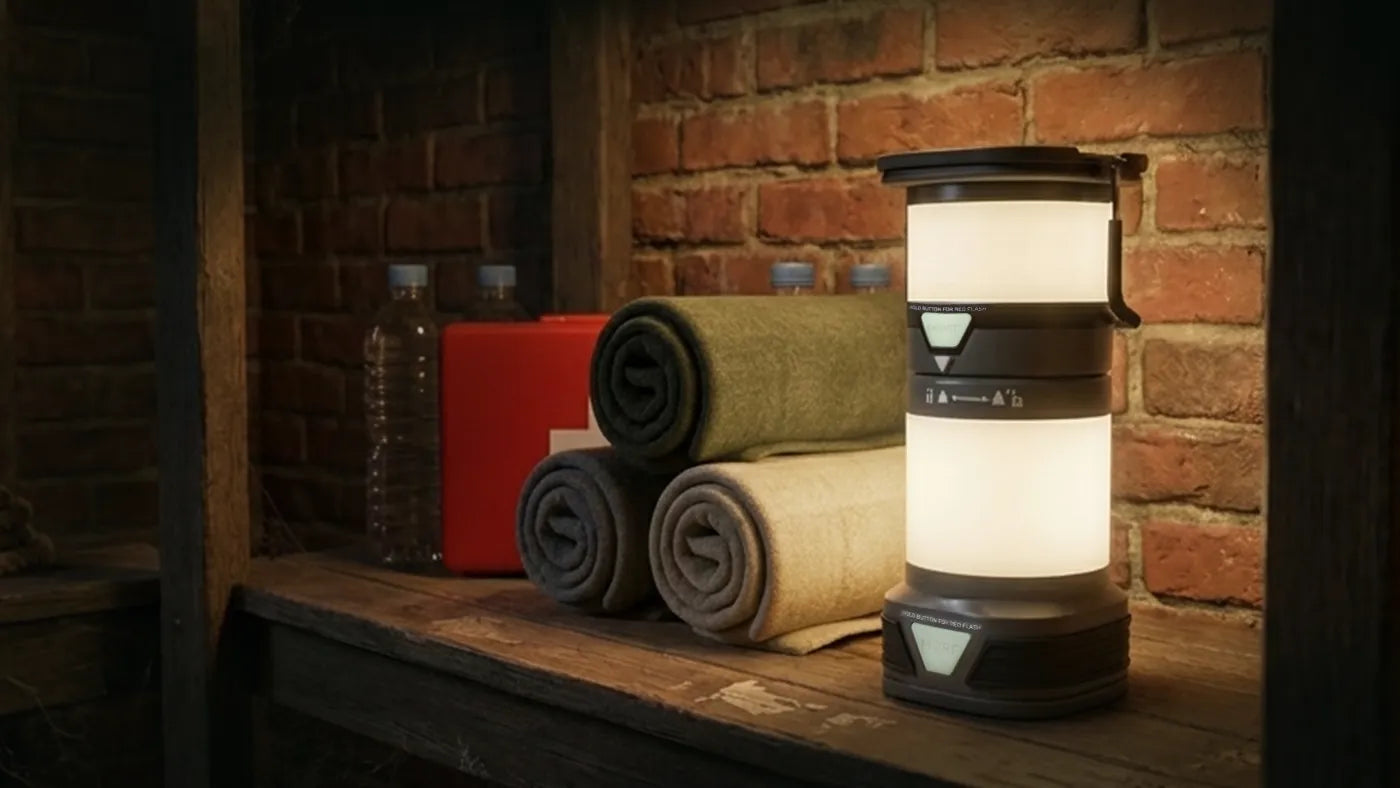
The MORF 2-in-1 lantern splits apart into two separate lights with a simple twist, which is a nice bonus if you want one light for the tent and another to hand off or use elsewhere. It runs 380 lumens with up to 70 hours of runtime, and one of its four modes is a warm setting built specifically to feel cozy inside a tent, exactly the low-glare quality you want for nighttime use. The base runs on AA batteries and recharges the top section when connected, so you're not stuck if you run out of a charge mid-trip.

Best Clip-On: Mole Flashlight
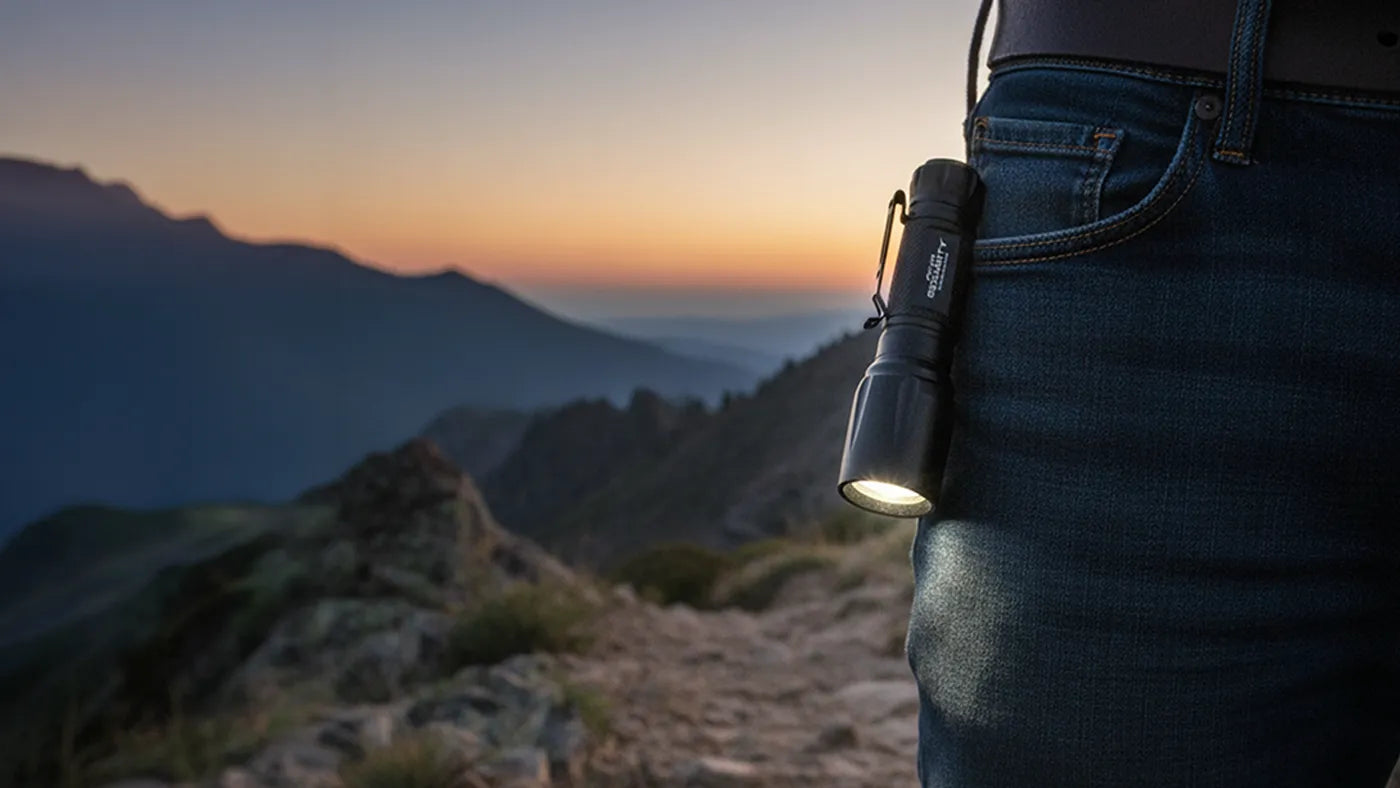
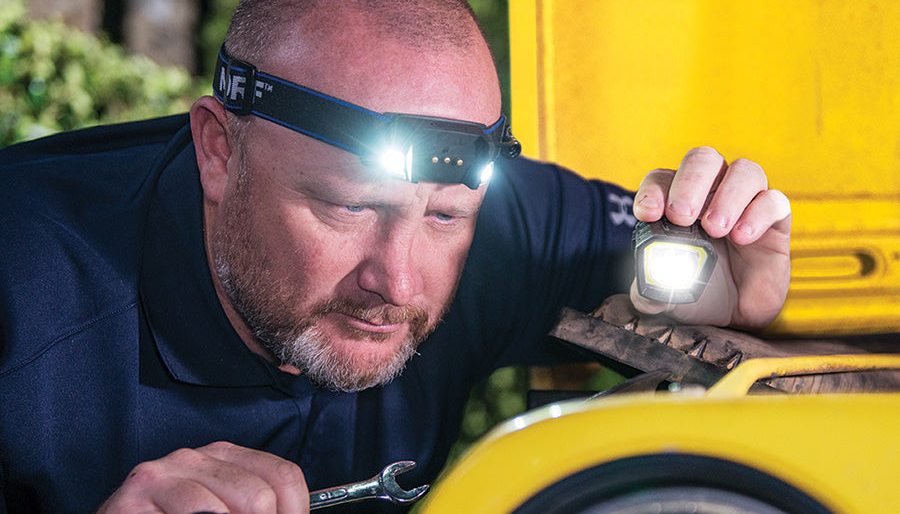
Small, light, and built with a heavy-duty clip, the Mole is an easy option to hang from a tent loop or strap without adding any real bulk to your pack. It runs on a single AAA battery, delivers 80 lumens, a good amount for close-range tent use without being harsh, and is compact enough to double as an everyday-carry backup once the trip's over.

Best for Backpackers: MORF L650 Removable Headlamp and Lantern
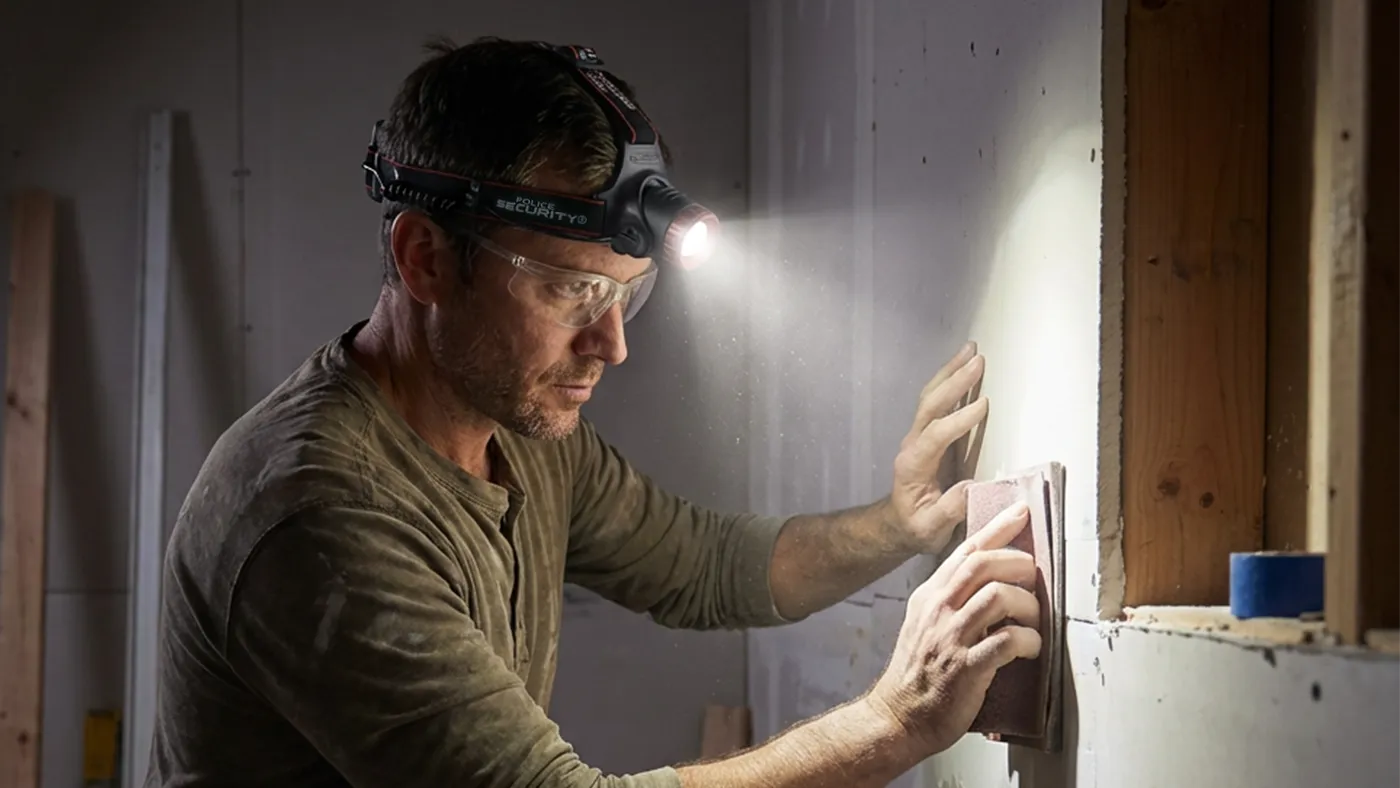
If you want one piece of gear that covers more ground, the MORF L650 headlamp is a 3-in-1: headlamp, detachable flashlight, and hanging lantern. That last mode is the relevant one here, pull it off your head and hang it in the tent, and you've got tent lighting without packing a separate lantern at all. Built for hikers and backpackers who'd rather carry one versatile light than several single-purpose ones.
None of these quite right for your setup? Browse our full Outdoor & Camping collection to see everything built for life outside.
Setup Tips
Tip 1: Hang it high, not at eye level. A light hung near the ceiling loop spreads more evenly across the tent than one hung low, and it keeps the light source out of your direct line of sight when you're lying down.
Tip 2: Use the lowest mode you can get away with. Full brightness inside a small tent is almost always more than you need, and it drains the battery faster than necessary. Save the higher modes for when you're actually organizing gear or reading, not just for ambient light before bed.
Tip 3: Keep it within reach even when it's hung. If you're using a clip-on or lantern with a hook, make sure you can still grab it without unclipping in the dark. You don't want to be fumbling with a carabiner in the middle of the night.
Tip 4: Have a backup for the backup. Tent lighting is low-drain compared to a trail light, but a dead light on a cold night still isn't fun. A small backup, even just a keychain light, is cheap insurance.
FAQ
What's the best light for inside a tent?
It depends on how much space you're working with and how many people are sharing it. A small lantern with a warm or low-brightness mode is the most comfortable option for most campers, while a compact clip-on light is the better call if you're solo and prioritizing pack weight.
Can I leave a lantern on all night in my tent?
You can, but it's worth checking the runtime at whatever brightness you're using first. Many lanterns last far longer on their lowest setting than their highest, so a light that seems like it'll die in a few hours might actually run all night on low.
Do I need a special light for tent camping, or will any flashlight work?
A regular flashlight works in a pinch, but it's not built for the job. Flashlights are directional, so you end up pointing them at whatever you're doing rather than lighting the whole space. A hangable lantern or clip-on light is a better fit for actually living inside a tent, not just passing through it.
Is a warm-light or red-light setting better for tent use?
Both help reduce glare, but they serve slightly different purposes. Warm-toned white light is more comfortable for general use, reading, organizing gear, talking before bed. Red light is specifically useful if you're trying to preserve night vision for a late trip outside, since it doesn't affect your eyes' adjustment to the dark the way white light does.
Should I buy a camping tent with light built in, or a separate light?
Some tents now come with built-in lighting, but a separate portable light is almost always the more versatile choice. You can move it, hang it exactly where you want, adjust brightness independently, and swap it out or upgrade it without needing a whole new tent. A camping tent with light built in is convenient in theory, but it limits you to wherever that fixed light happens to be positioned.