

Worklights: Everything You Need to Know

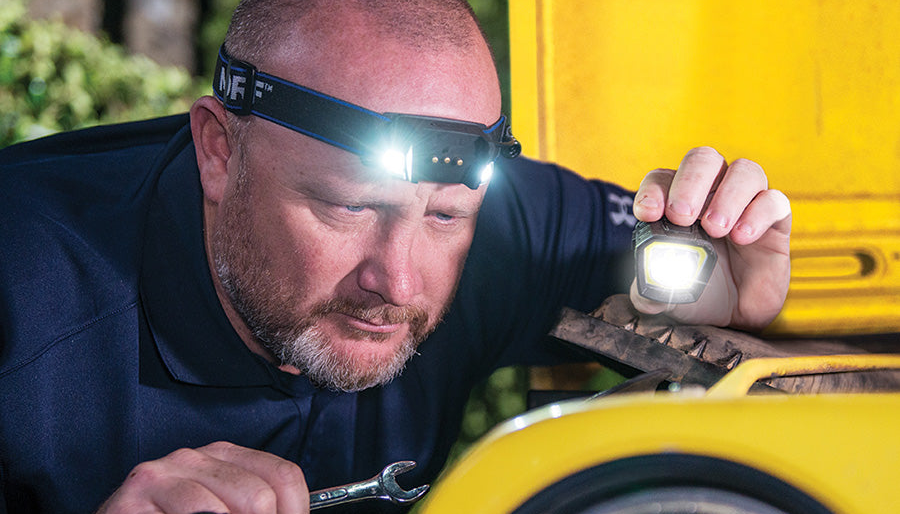
Anyone who's ever held a flashlight in their teeth while working under a sink knows the problem a worklight solves. The job needs both hands, but the only light available needs one of them just to stay pointed in the right direction. A worklight fixes that by mounting, hanging, or standing on its own, so the light stays exactly where it's needed while both hands stay free for the job.
Below, we'll walk through what makes a good worklight, the tradeoffs you’ll want to know before you buy, and which type fits which kind of job.
What Is a worklight? (And How Is It Different From a Flashlight?)
 A worklight is any light designed to be positioned once and left alone, through a magnetic base, a hook, a clamp, or a stand. A flashlight is built around portability and a directed beam; a worklight is built around hands-free positioning and, usually, a wider flood beam that lights up an area instead of a single point.
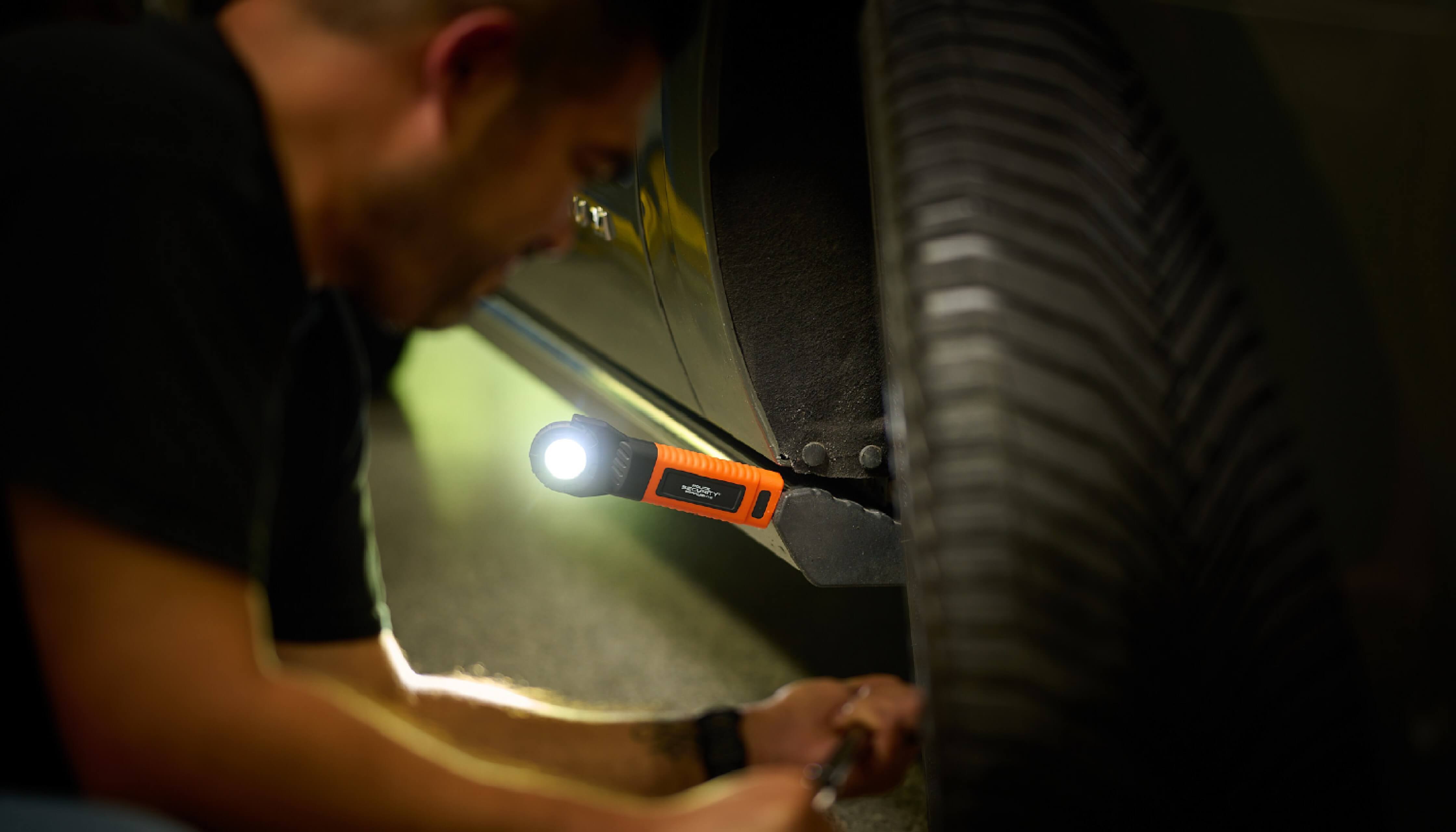
That difference matters more than it sounds like it should. A flashlight pointed at an engine bay lights up whatever it's aimed at and nothing else. A worklight mounted to the hood with a magnetic base lights the whole bay at once, so you're not constantly repositioning a beam while your hands are busy with the actual repair. Neither one is better across the board, they're just built for different moments. Most people doing hands-on work, mechanics, electricians, DIYers, end up wanting both for different situations.
Key Features to Look For in a worklight
Versatility
This may be one of the most important features to look for. Unlike a flashlight, a worklight is built to be used without your hands, but that can mean different things to different people. While some people may need a worklight that has a magnet, others may need the light to be hung or be able to set the light on the ground. No matter what, you want to check if the light’s features are versatile enough for whatever you plan to use it for. If you need a spot and a flood beam, then a COB-only light may not be right for you. If you need a light that can fit on a tripod, then look for a light with a hook and tripod attachment. The hook will give you more options.
COB Technology
Many worklights, ours included, use Chip-on-Board (COB) LEDs instead of a single traditional LED bulb. COB packs multiple small LED chips onto one board, which spreads light evenly across a wide area instead of concentrating it into one bright point. In general, a broad beam is softer on the eyes and lights up all around you, making it easier to do the work.
Durability
A worklight gets dropped, covered in dust, and occasionally rained on more than almost any other tool. Look for impact-resistant construction and at least basic water resistance, since job sites and garages are rarely climate-controlled.
Rechargeable vs. Battery-Powered worklights
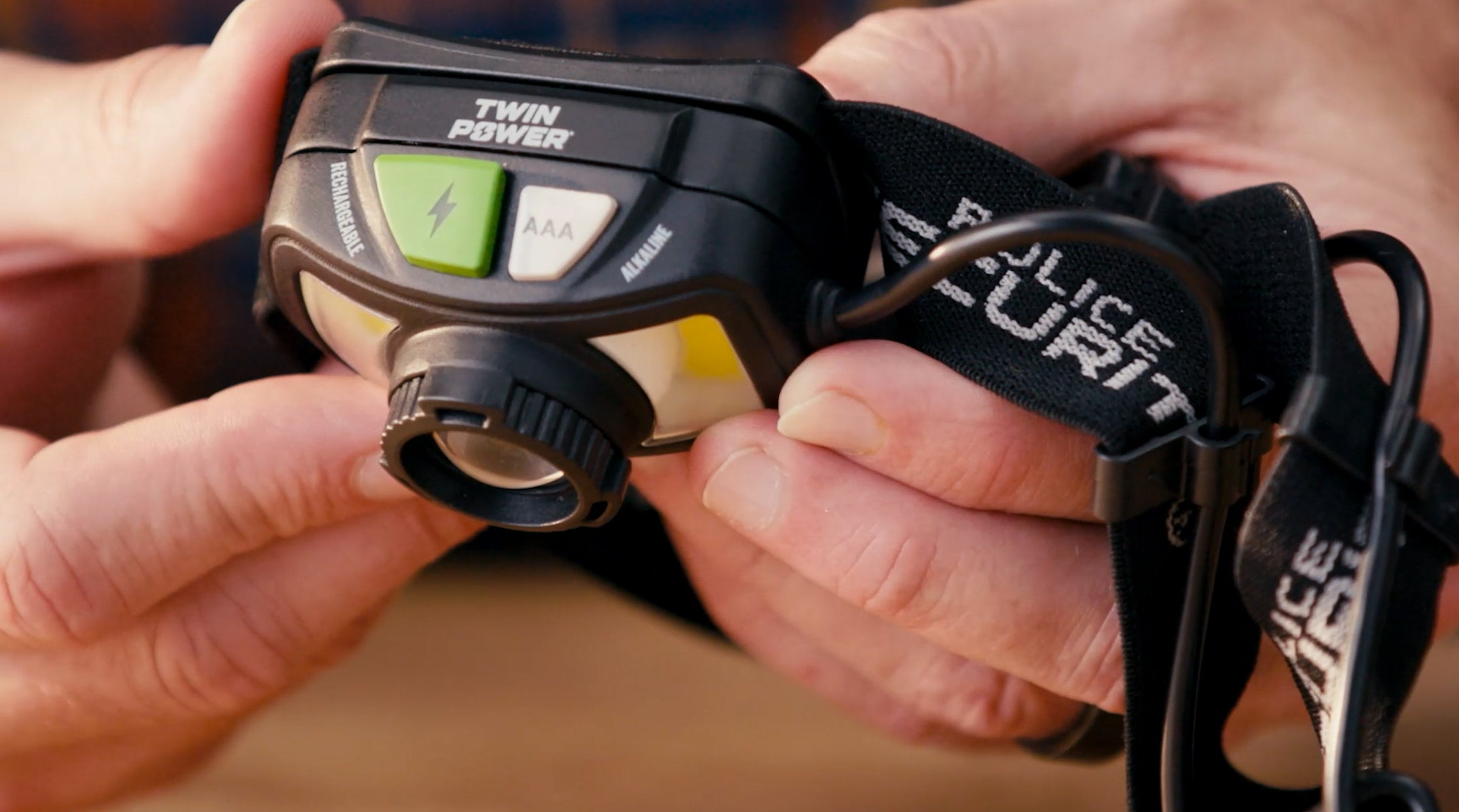
While rechargeable lights get a lot of (well-deserved) hype, AA/AAA lights can be just as great and sometimes even more convenient.

Rechargeable worklights
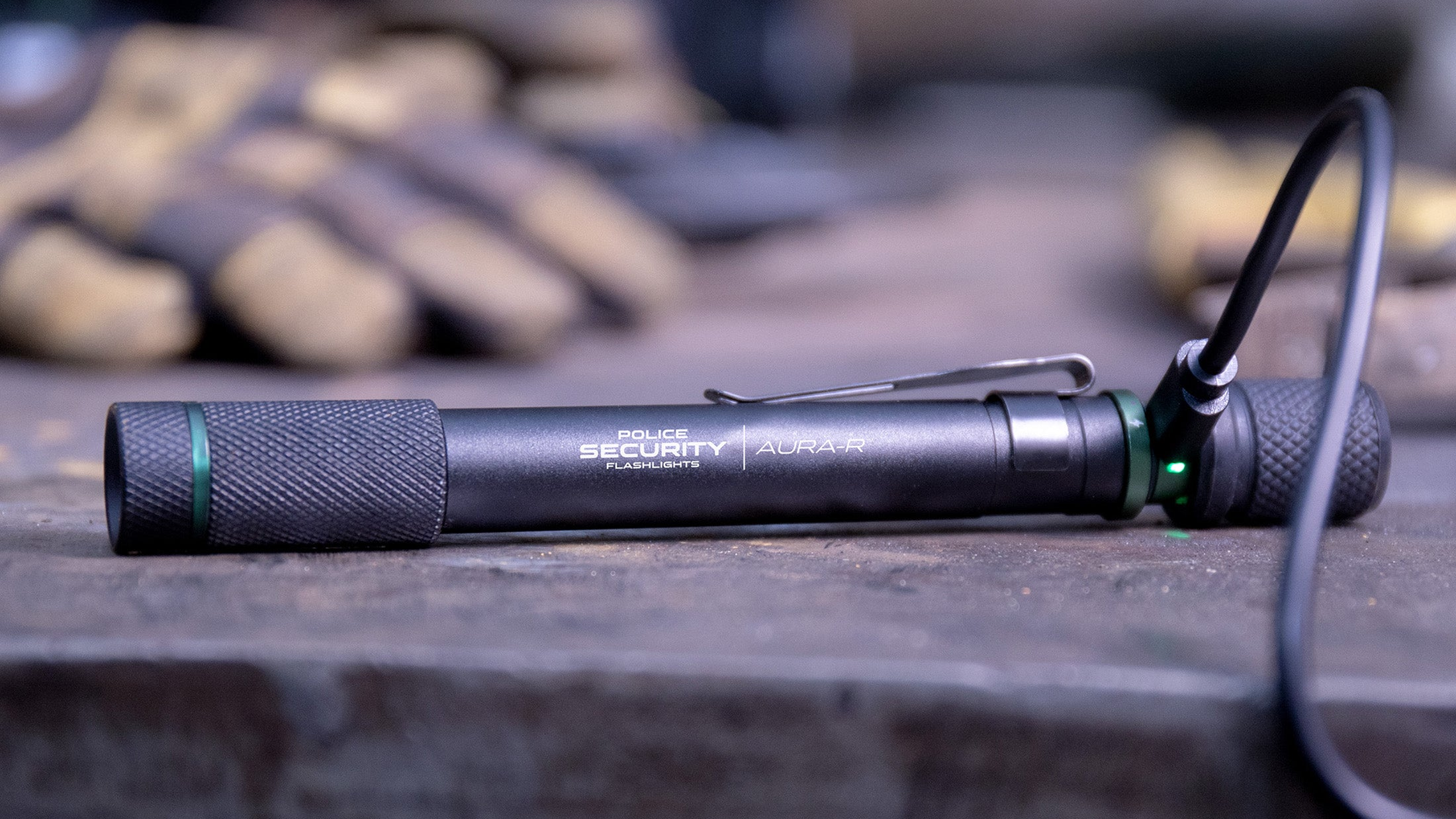
Rechargeable worklights run on a built-in battery charged over USB-C, and several of ours double as a power bank for charging a phone off the same battery. They're a strong fit if you have regular access to an outlet or a car charger between jobs, and they skip the ongoing cost of replacement batteries entirely. The tradeoff is that a dead rechargeable light needs time to recharge before it's usable again.
Alkaline worklights
On the other hand, alkaline worklights run on standard AA or AAA batteries, which means they're always ready to grab without checking a charge level, and a dead battery is a quick swap rather than a wait. They're a better fit for anyone who wants a light that's reliably ready the moment it's needed.
For more on how rechargeable lighting technology works, our Rechargeable Flashlights guide goes deeper on battery types and charge times.
Mounting Options: Magnetic, Clamp, Hook, or Stand
How a worklight mounts is the big make-it or break-it point, since a light that won't stay put defeats the purpose.
Magnetic bases are the most common mounting option, and for good reason, they attach instantly to any metal surface: a car frame, a toolbox, a steel beam, or the inside of a garage door. Just remember a magnetic base needs a metal surface to grip, so it won't help on wood, drywall, or plastic.
Clamps solve that problem. A rotating clamp can grip a pipe, a ladder rung, a wood beam, or a shelf edge, anywhere a magnet has nothing to hold onto. Our Clamp Pro Worklight uses a 360-degree rotating clamp plus a magnetic base, so it covers both situations in one light.
 Hooks are built for hanging rather than mounting flat, useful for lighting an area from above, like the inside of a cabinet, an attic rafter, or a popped hood.
Stands and tripods give you a freestanding light that doesn't need a surface to grip at all. Our ProFlex® Deluxe Pivot Stand Worklight uses a 180-degree pivot stand that props up on a bench or shelf and aims exactly where it's needed, while the ProFlex® 1100 and Kickstand Pro are both tripod-compatible for a fully adjustable setup.
Several of our lights, including the Clamp Pro, Widescope Magnetic, and every Kickstand model, combine two or more of these mounting options in a single light, so you're not stuck picking just one. Make sure to take a look at our Worklight line up!
Shop worklights by the Job
Working under the hood or in an engine bay: A multi-panel light spreads coverage across a wide space instead of lighting one corner of it. The TriFlex Pro Rechargeable 3-Panel Worklight (up to 720 lumens per panel) and the ProFlex® 1100 Folding Dual-Panel Bar Worklight (up to 1,100 lumens) both fold out to light an entire bay at once.
DIY projects and the home workshop: Something versatile that mounts more than one way covers the widest range of first projects. The ProFlex® Deluxe Pivot Stand Worklight and the Clamp Pro both work well here, since neither is built for one specific task.
Electricians and tight spaces: When a job means working in an attic, a crawlspace, or behind a panel, a lightweight, wearable option beats anything handheld. The Detachable Neck Light Rechargeable worklight splits into two magnetic lights you can position independently, which solves the "both hands are full" problem better than a single fixed light can.

Home renovation and bigger projects: For a job that runs long and might not have outlet access nearby, the Kickstand Pro Rechargeable Worklight puts out up to 1,600 lumens and includes a built-in power bank, so your phone doesn't die before the project does.
Grab-and-go and tight budgets: The ProFlex® Magnetic COB & LED Worklight is compact, affordable at $10.99, and still covers the basics: a magnetic base, a swivel hook, and a belt clip all on one small body.
Home inspections and quick checks: For moving room to room without a bulky setup, a compact light that still covers a wide area is the better fit. The Widescope Mini Compact COB Worklight is small enough to carry from room to room and still throws a wide, even beam up to 250 lumens, good for a quick look in a crawlspace, attic, or utility closet without slowing down an inspection.
Unique Features Worth Knowing About
A few features show up across our lineup that are worth understanding before you compare specs line by line.
Built-in power banks.
The Power Pro 1000, ProFlex® 1100, TriFlex Pro, both Kickstand-R models, and the Kickstand Pro all include a power bank, so the same battery that runs the light can also charge a phone or small device.
Multiple mounting points on one light.
Rather than choosing a single mounting style, several of our lights combine a magnetic base with a hook, a clamp, or a folding stand, so one light adapts to more situations.
Detachable and dual-light designs.
The Detachable Neck Light splits into two independent, magnetic lights, giving you light from two angles at once instead of one fixed beam.
FAQ
What is a worklight?
A worklight is a light built to be mounted, hung, clamped, or stood up rather than held in your hand, so it stays positioned on a task while both hands stay free. Most use a wide flood beam to light an area rather than a narrow, directed beam.
What's the difference between a worklight and a flashlight?
A flashlight is built for portability and a directed beam you hold and aim. A worklight is built to stay in place hands-free and usually spreads light across a wider area. If you only need to see what's directly in front of you, a flashlight works fine. If you need both hands free while a space stays lit, a worklight is the better tool.
Should I get a rechargeable or battery-powered worklight?
Rechargeable is the better fit if you have regular access to a charger and want to skip buying replacement batteries. Battery-powered is the better fit if you want a light that's always ready to grab, even after sitting unused for months, since a dead battery is a quick swap rather than a wait to recharge.
How many lumens do I need for a worklight?
For close-up detail work, 150 to 400 lumens is usually enough. For lighting a wider area, like an engine bay, garage, or job site, 700 lumens or more gives real coverage. Our lineup spans from 150 lumens up to 1,600 on the Kickstand Pro, so there's a fit across that whole range.
What is COB technology, and why do so many worklights use it?
COB, or Chip-on-Board, packs several small LED chips onto one board instead of using a single bulb. That spreads light evenly across a wide area, which is exactly what a worklight needs to do, rather than concentrating it into one bright point the way a flashlight does.
What's the best worklight for working under the hood of a car?
A multi-panel light works best here, since it lights the whole engine bay instead of one spot. The TriFlex Pro and ProFlex® 1100 both fold out into multiple adjustable panels for exactly this kind of wide-area task.
Do I need a tripod or stand for my worklight?
Not always, but it helps for any job where there's no metal surface for a magnet to grip and nothing to hang a hook on, like lighting an open floor space or a room mid-renovation. A pivoting stand or a tripod-compatible light, like the ProFlex® Deluxe Pivot Stand or the Kickstand Pro, solves that without needing a hand free to hold it.
Can a worklight double as a phone charger?
Several of ours can. The Power Pro 1000, ProFlex® 1100, TriFlex Pro, both Kickstand-R models, and the Kickstand Pro all include a built-in power bank, so the same battery running the light can also charge a phone or small device.
Are worklights waterproof?
Most are built to be water resistant rather than fully waterproof, enough to handle rain, dust, and the occasional splash a job site or garage throws at them. Every light in our lineup is impact and water resistant, built for the realities of actual hands-on work rather than a climate-controlled shelf.
How long does a rechargeable worklight last before needing a recharge?
It depends on the mode and the model. Our lineup ranges from around 4 to 20 hours per charge on low settings, with brighter modes drawing more power and running shorter. If a job regularly runs long without outlet access, a battery-powered light or one with a built-in power bank, like the Kickstand-R or Kickstand Pro, is worth considering as a backup.
What's the best worklight for a job site or construction site?
Look for something rugged, bright enough to cover a wide area, and flexible about where it mounts, since job sites rarely offer a convenient flat surface. The ProFlex® 1100 and TriFlex Pro both fold out into multi-panel lights with over 1,000 lumens of combined output, and both are tripod-compatible for setting up anywhere on site.
Where can I buy Police Security worklights?
Right here. You can shop our full worklight lineup online at policesecurity.com, and you'll also find Police Security lights on the shelf at hardware and retail stores nationwide.