

Rechargeable Flashlights: The Buying Guide for People Who Hate Dead Batteries
Power outages don't wait for you to run to the store. Neither do flat tires, breaker box trips, or the moment your kid swears something's under the bed. A good rechargeable flashlight means you're never caught scrounging through a junk drawer for AAs that died two years ago.
Here's everything you need to know before you buy one, plus how to pick the right one for the way you actually use it.

What Makes a Flashlight "Rechargeable"?
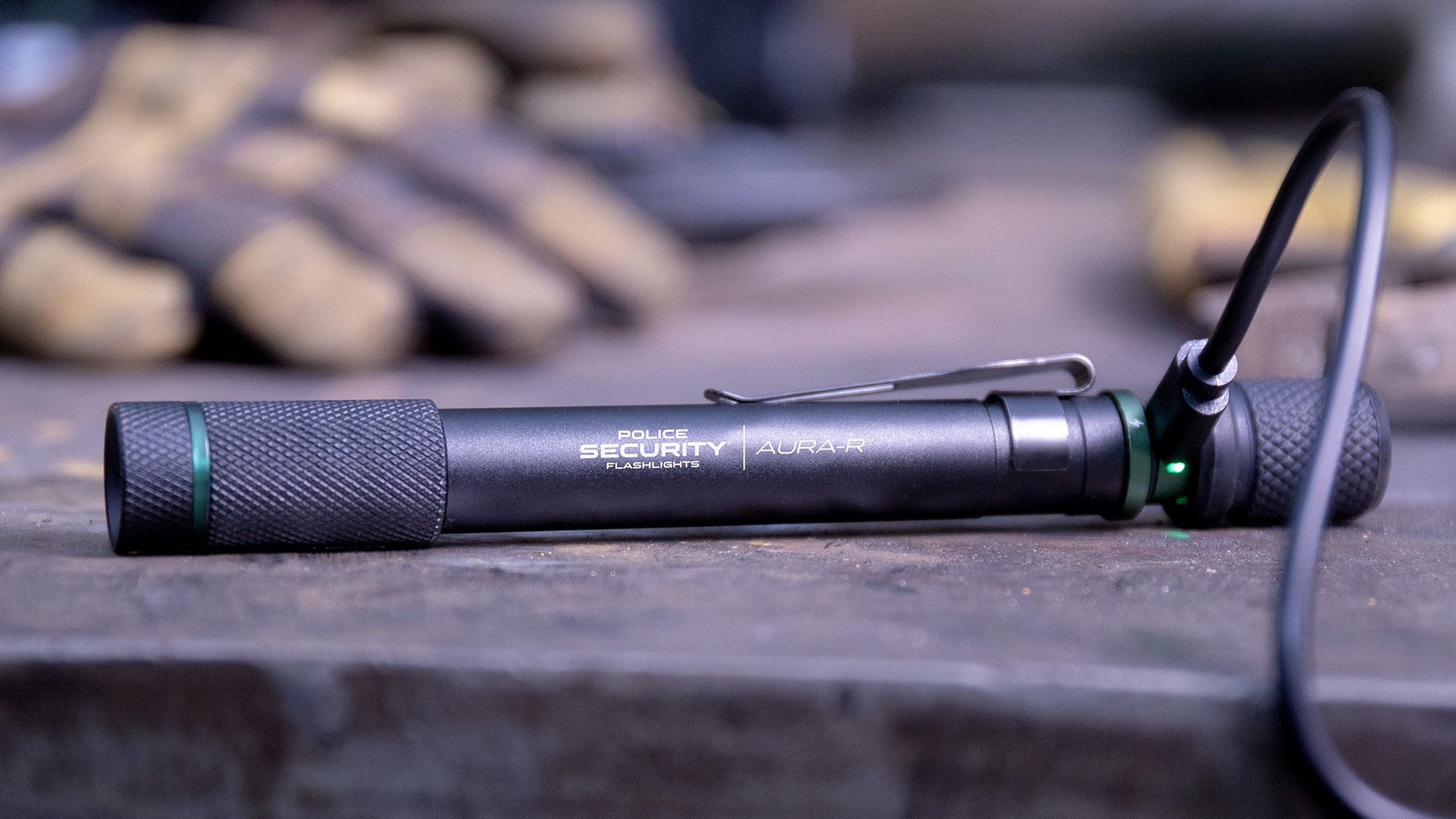
Rechargeable flashlights run on a battery you charge instead of one you replace. Most modern models use a lithium-ion cell, commonly an 18650 or a smaller 14500, paired with a USB or USB-C port right on the light.
A few charging setups you'll run into:
- USB-C: The current standard. Fast, reversible (no fumbling to plug it in right side up), and it uses the same cable as most phones and laptops.
- Micro-USB: Older but still common on budget models. Slower charge times and a cable you probably don't have five of lying around anymore.
- Charging dock or cradle: Set the flashlight down on the dock or cradle and it charges. No cable to lose. Common on lanterns and larger headlamps.
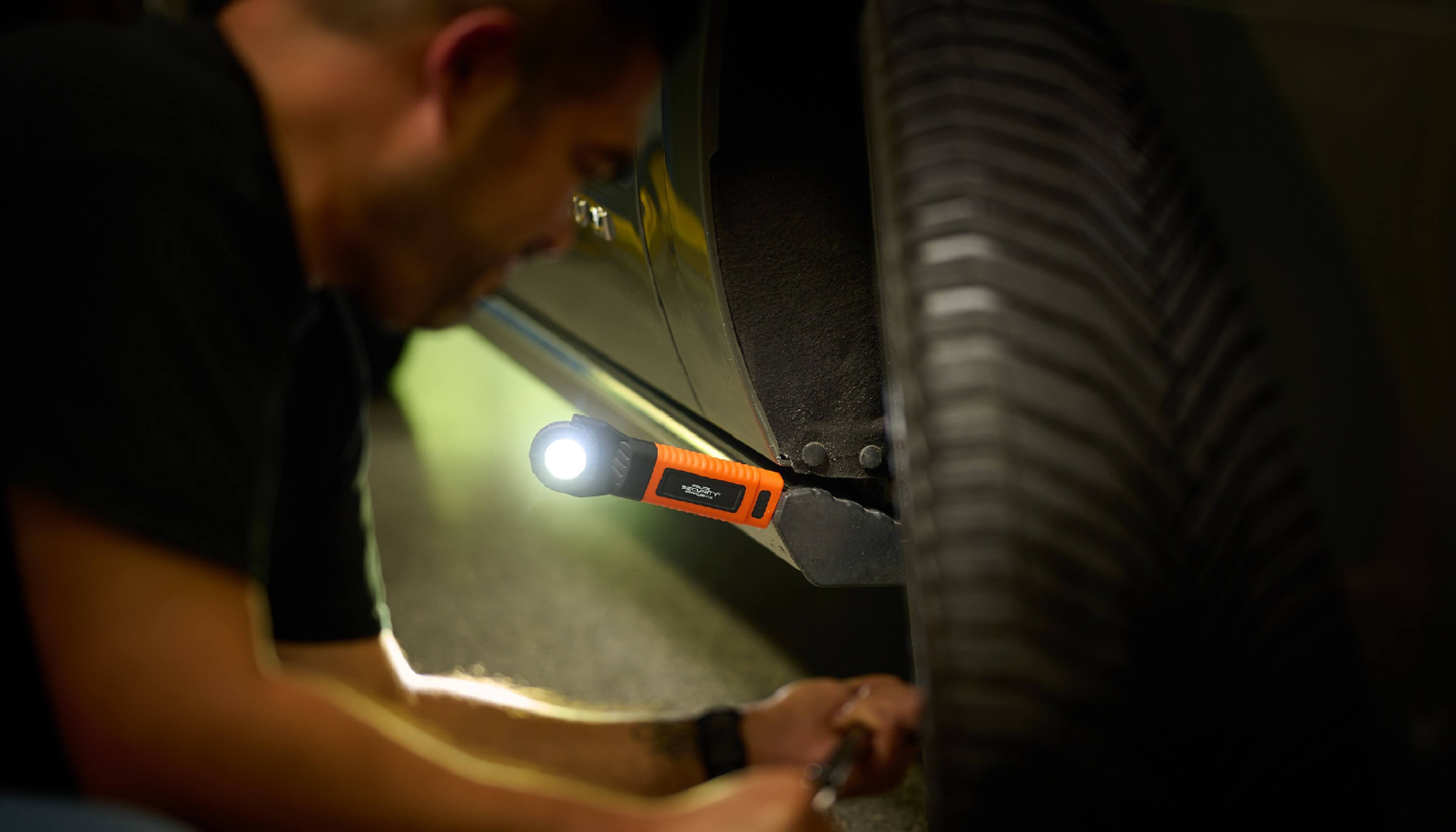
- Built-in charging cord: Some newer designs skip the separate cable entirely. The cord is attached to the flashlight itself, so you'll never dig through a drawer looking for the right one (like the Flex Loop flashlight featured above).
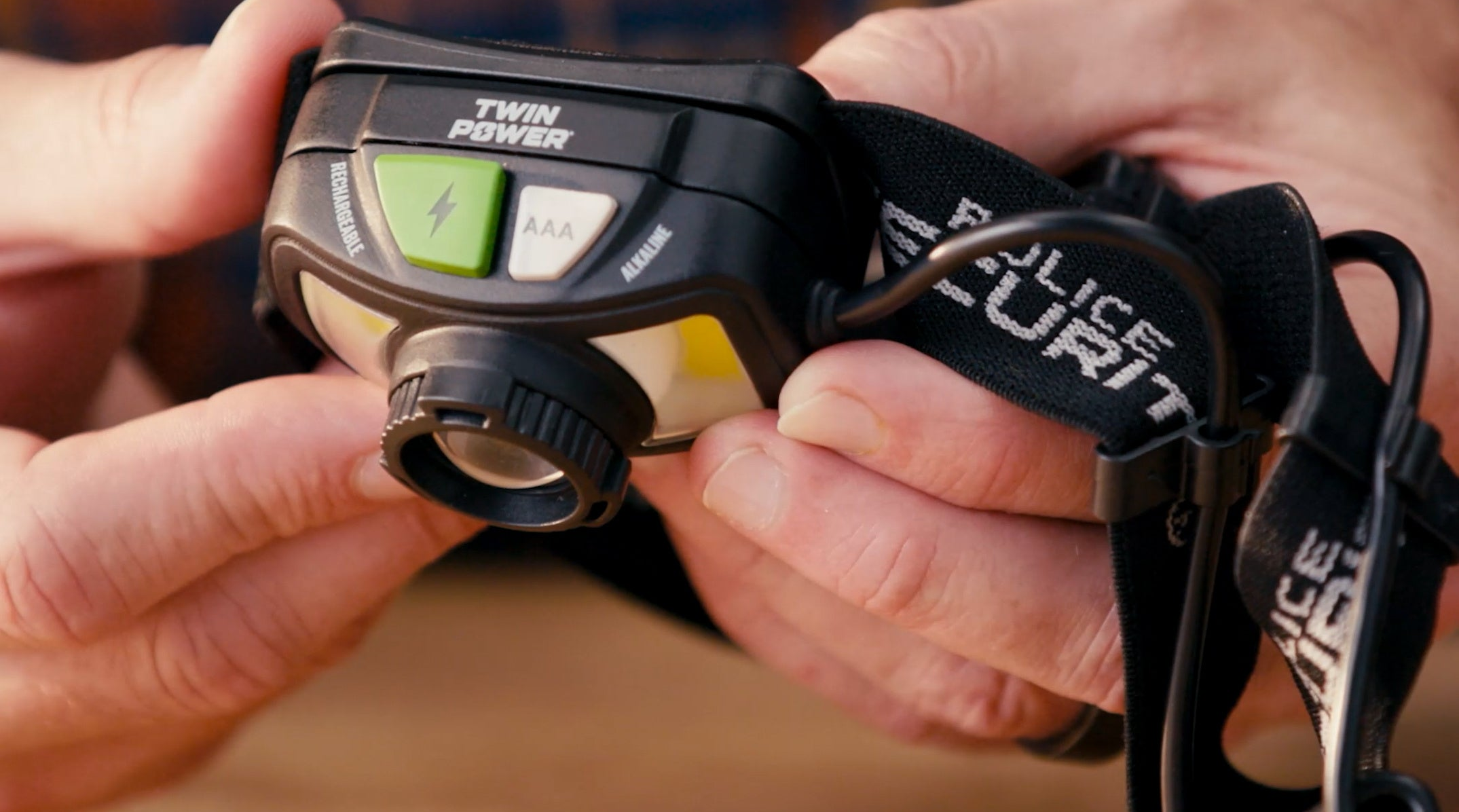
- Dual-power (or "hybrid"): The flashlight runs on a rechargeable battery, but it also accepts standard alkaline batteries as a backup. Charge it when you can, drop in AAs when you can't.
Rechargeable vs. Disposable Battery Flashlights
This is the debate that's been going on since the first LED hit the shelves. Here's how they actually stack up.
Cost
Disposable batteries are cheap to buy once and expensive to buy forever. A rechargeable flashlight costs more up front, but you're not restocking batteries every few months. Over a couple years of regular use, rechargeable wins on price, plain and simple.
Convenience
Rechargeable flashlights plug into the same USB port as everything else you own. So there’s no trip to the store, no digging through a drawer hoping you have the right size battery. The tradeoff: if you forget to charge it, it's dead when you need it most.
Reliability
This is where disposable batteries still earn their keep. AA and AAA batteries don't run out of juice sitting in a drawer for two years, and you can always grab more at any gas station. A rechargeable battery drains over time. So if it’s been sitting uncharged since last hurricane season it isn't going to help you when the power goes out.
Environmental impact
Rechargeable batteries mean fewer disposable batteries in landfills over the life of the flashlight, which matters if that's a priority for you. It's a smaller factor than cost or reliability for most buyers, but worth mentioning since it comes up often.
The answer is that neither option wins outright. Rechargeable is better for everyday use and lower long-term cost. Disposable is better for the "I haven't touched this in 14 months and I need it to work right now" scenario.

Rechargeable Flashlights: Pros and Cons
Before you commit, here's the tradeoff laid out plainly.
Pros
- Lower cost over time since you're not continually buying batteries
- Charges from a USB port, car charger, or power bank, so you're not tied to store hours
- Environmentally friendlier than cycling through disposable batteries
- Often paired with modern features like USB-C ports and charge indicators
- No corroded battery contacts to deal with down the road
Cons
- Higher upfront cost than a basic disposable-battery flashlight
- Rechargeable batteries self-discharge in storage, so a light left untouched for months may not be at full charge when you need it (that being said most rechargeable batteries do last a very long time even in storage)
- Requires access to a charging source, which isn't guaranteed during an extended power outage
- Replacement batteries for some rechargeable models are less universally available than standard AA or AAA cells
- Battery capacity degrades gradually over years of charge cycles, same as a phone battery
None of these cons are dealbreakers for most people. But if reliability during an extended outage is your top priority, they're worth weighing seriously, which brings us to the next question.
When a Rechargeable Flashlight Might Not Be Right for You
Rechargeable flashlights are the right call for most everyday situations. But there are a few scenarios where a disposable-battery model, or a dual-power hybrid, makes more sense.
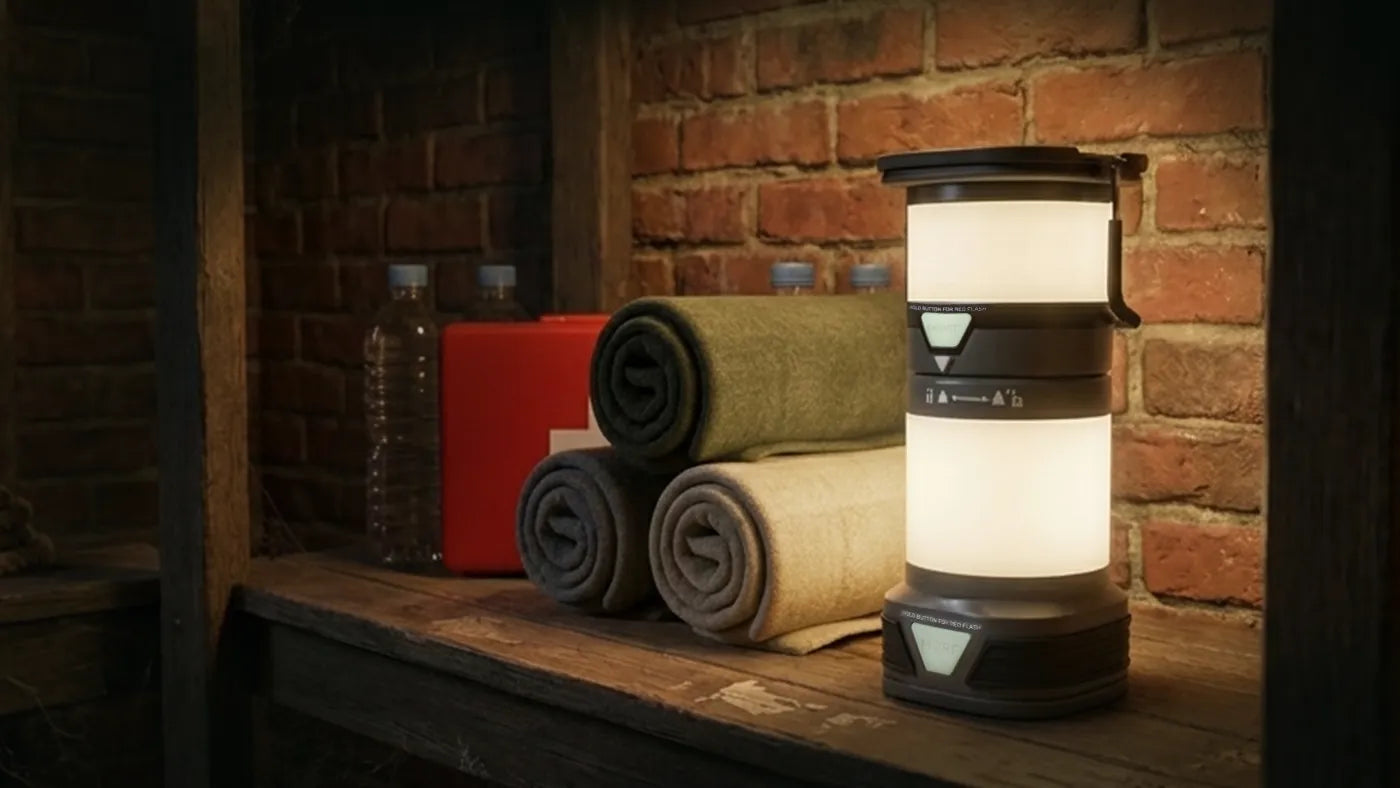
You need a flashlight for a "grab it once a year" emergency kit. If a flashlight is going to sit in a bug-out bag, glovebox, or basement shelf for months at a time without being touched, a rechargeable-only model risks being dead when you finally need it. A disposable-battery light, or one with alkaline backup, solves this.
You don't have reliable access to power. During an extended outage, a rechargeable flashlight is only as useful as its last charge. Or if you have multiple rechargeable batteries. If you can't count on power for days at a time, a battery-powered option (or a way to recharge off-grid, like a solar charger or car adapter) matters more than usual.
You're outfitting a group or a workplace. If you're stocking flashlights for a crew, a job site, or a household with several people who'll forget to charge things, standardizing on disposable batteries can be simpler to manage than tracking charge levels across multiple devices.
You're traveling somewhere without consistent access to outlets. Backcountry trips, off-grid camping, or extended travel without reliable power access all favor batteries you can swap on the spot rather than a light you have to plug in.

Key Features to Look For
Okay, now you know a bit more about rechargeable flashlights. Let’s move onto the features that actually matter when you’re comparing options.
Lumens
More lumens means a brighter beam, but more isn't automatically better. 800 lumens is plenty for lighting up a backyard or a wide outdoor space, it's overkill for finding your way to the bathroom at 2am. Match the lumen count to what you're actually going to use the light for, not just the biggest number on the box. At the very least, confirm it has multiple brightness modes if you want a more versatile light.
Battery life
Runtime depends entirely on which brightness mode you're using. A rechargeable flashlight rated for 7 hours on high might run 20+ hours on low. Look at runtime across modes, not just the headline number, and remember that power-saving modes exist for a reason.
Water resistance
Depending on what you need the light for, check to see if its weather or water-resistant. The best LED rechargeable flashlights have good construction and should be able to hold up in heavy rain.
Charging speed
Most rechargeable flashlights hit a full charge in 2 to 4 hours over USB-C, with smaller batteries charging faster than larger ones. If you're the type who charges things the night before you need them, this matters less. If you're the type who remembers at the last minute, look for a light with a fast-charge spec and a visible charge indicator so you know where you stand.
Battery type
Rechargeable batteries come in all sizes from the larger 21700 batteries to the 18650 cells to the smaller 14500 cells. The larger batteries have bigger capacity, longer runtime, common in higher-lumen models. The smaller batteries are found in more compact lights. There is no single battery that’s "better," it just depends on whether you're prioritizing runtime or pocket size.
Modes and switches
Multiple brightness modes let you stretch runtime when you don't need max output. A memory switch, which recalls your last used setting, saves you from cycling through modes every time you turn the light on. Small feature, noticeable difference in day-to-day use.
Dual Power Flashlights: The Best of Both Worlds
If you've read this far, then you know that rechargeable flashlights come with a myriad of considerations when comparing it to a non-rechargeable light.
Dual power flashlights are built to close that gap. A dual power light runs on a rechargeable battery for everyday use, exactly like any other rechargeable flashlight, but it also accepts standard alkaline batteries as a backup power source. This way you charge it when you remember to and drop in AAs when you don't, or when the power's been out for three days and there's no outlet in sight.
That combination solves the one real weakness of a rechargeable-only flashlight: the dead-battery-in-a-drawer problem. A flashlight that's been sitting untouched in an emergency kit for eight months is still useful if it can run on batteries you grabbed off the shelf yesterday. You're not betting your emergency lighting on remembering to charge something you hope you never need.
For preppers, vehicle emergency kits, and anyone stocking a go-bag, that's the difference between "probably fine" and "definitely fine." For everyday users, it just means one less thing to think about. Grab it, and it works, charged or not.

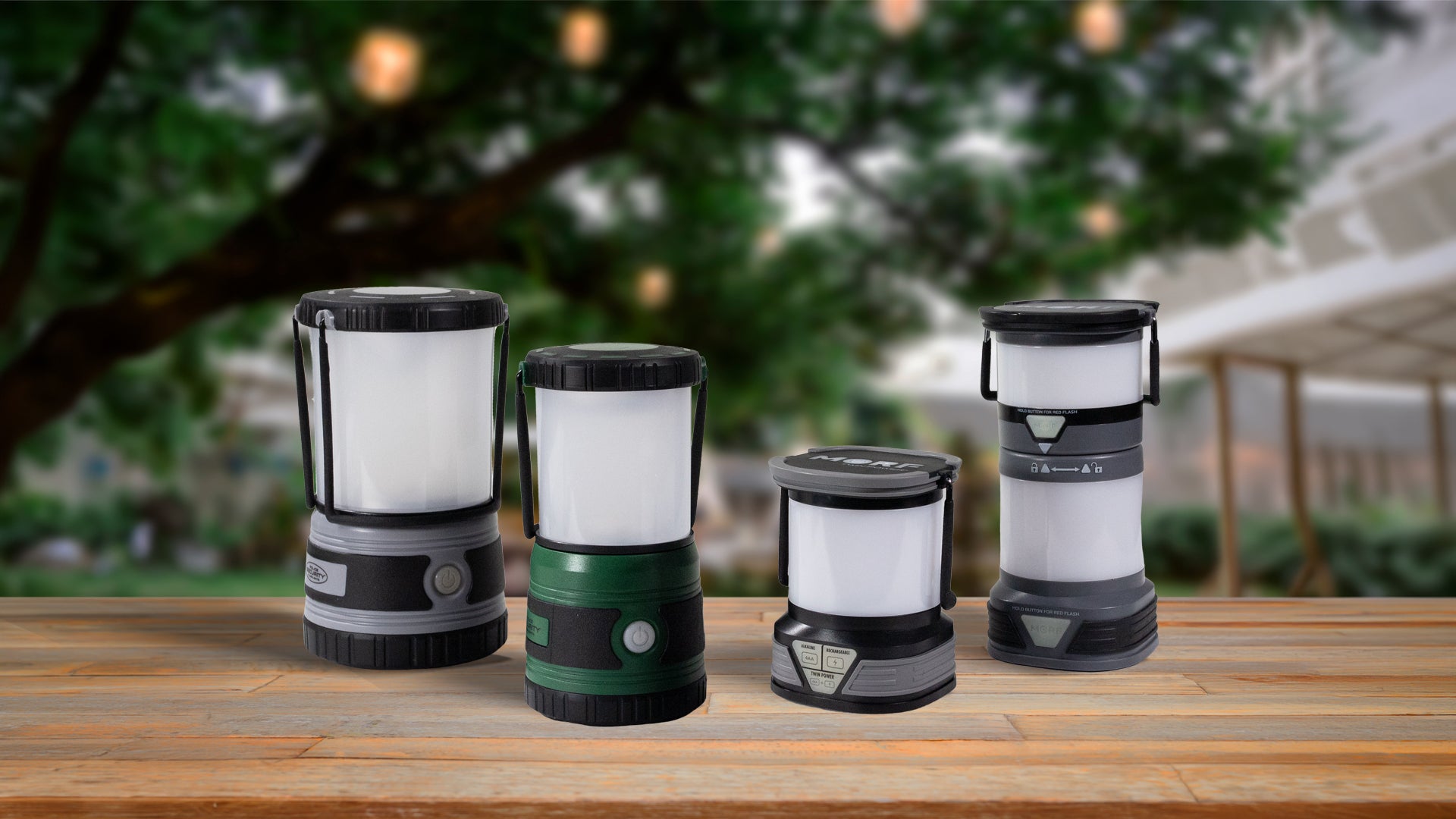
Our Twin Power line is built around exactly this idea. Twin Power flashlights, headlamps, and lantern run on a rechargeable battery day to day, with standard alkaline batteries as backup whenever charging isn't an option. Plus, with our patented design, they both sit in the light at once and you can swap between them at the touch of a button.
If reliability under uncertain conditions matters as much as everyday convenience, a dual-power model is worth the look over a rechargeable-only light.
Shop by Use Case
Not sure which type of rechargeable flashlight fits your life? Start here.
Everyday Carry (EDC) Flashlights Compact, pocket-ready lights built for daily use, from checking a dark closet to walking the dog before sunrise.
Tactical Flashlights Higher-lumen, rugged-build lights with multiple modes, built for self defense, law enforcement, and situations where durability isn't optional.
Camping Lanterns & Flashlights Lightweight, long-runtime lights built for the trail, the tent, and the campsite after dark.
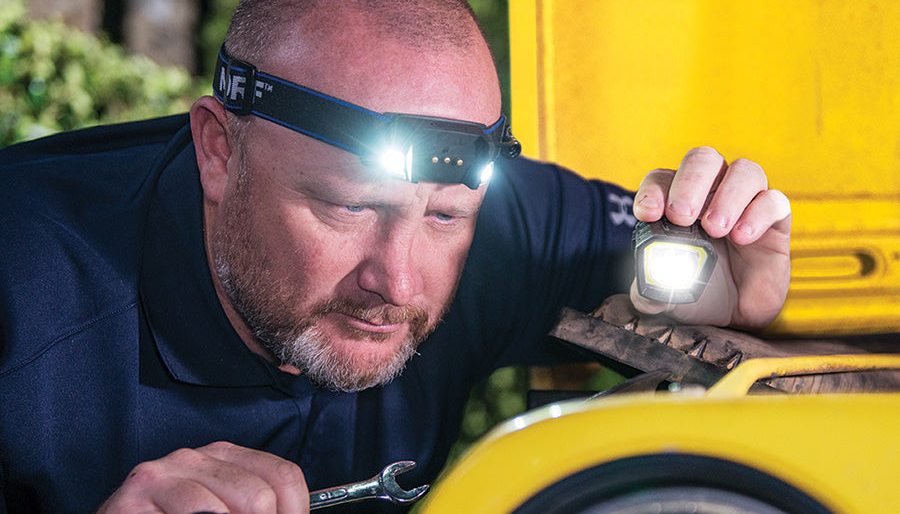
LED Headlamps Hands-free lighting for hiking, fishing, working under the hood, or anything else where you need both hands free and the light pointed wherever you're looking.
FAQ
Are rechargeable flashlights worth it?
Yes, for most people. If you use a flashlight regularly, rechargeable saves money over time and skips the trip to buy batteries. The one thing to watch: rechargeable batteries lose charge in storage, so a rechargeable light that sits untouched for months may not have full power when you grab it. Dual-power models solve that by giving you an alkaline backup option.
Are rechargeable flashlights better than batteries?
Better depends on how you use it. For everyday, regular use, rechargeable wins on cost and convenience. For a flashlight that sits in an emergency kit and needs to work no matter what, disposable batteries, or a dual-power model, are more dependable.
How do rechargeable flashlights compare to battery-powered ones?
Rechargeable flashlights cost more upfront but less over time, since you're not continually buying batteries. Battery-powered flashlights cost less to buy but more to maintain, and they don't self-discharge in storage the way rechargeable batteries can.
Are rechargeable flashlights safe?
Yes. Reputable rechargeable flashlights use protected lithium-ion cells with built-in safeguards against overcharging. Stick to a light's included cable and avoid off-brand chargers, and you're fine.
Can I bring a rechargeable flashlight on a plane?
Generally yes. Rechargeable flashlights with lithium-ion batteries are allowed in carry-on luggage under TSA guidelines. Rules can vary by battery size and airline, so it's worth double-checking with your airline before you fly, especially for larger battery capacities.
Are rechargeable flashlights allowed in checked luggage?
Most airlines prefer lithium-ion batteries in carry-on rather than checked luggage, since checked baggage isn't monitored in flight. When in doubt, keep your rechargeable flashlight in your carry-on.
What are the top features to look for in a rechargeable flashlight?
Lumen output matched to how you'll use it, battery life across multiple brightness modes, water resistance suited to your use case, and charging speed.
How do USB-C rechargeable flashlights compare to micro-USB models?
USB-C charges faster, is reversible so you can't plug it in wrong, and uses the same cable as most modern phones and laptops. Micro-USB is older technology, still functional, but slower to charge and less convenient if you've already switched everything else in your life to USB-C.
What are the brightest rechargeable flashlights for outdoor use?
For wide outdoor spaces, look in the 700 to 1,500 lumen range. That's enough to light up a backyard, campsite, or open field without the diminishing returns (and battery drain) of unnecessarily high lumen counts.
Where can I find durable, reliable rechargeable flashlights?
Police Security Flashlights are available directly at policesecurity.com, along with major retailers including Home Depot and Lowe's.