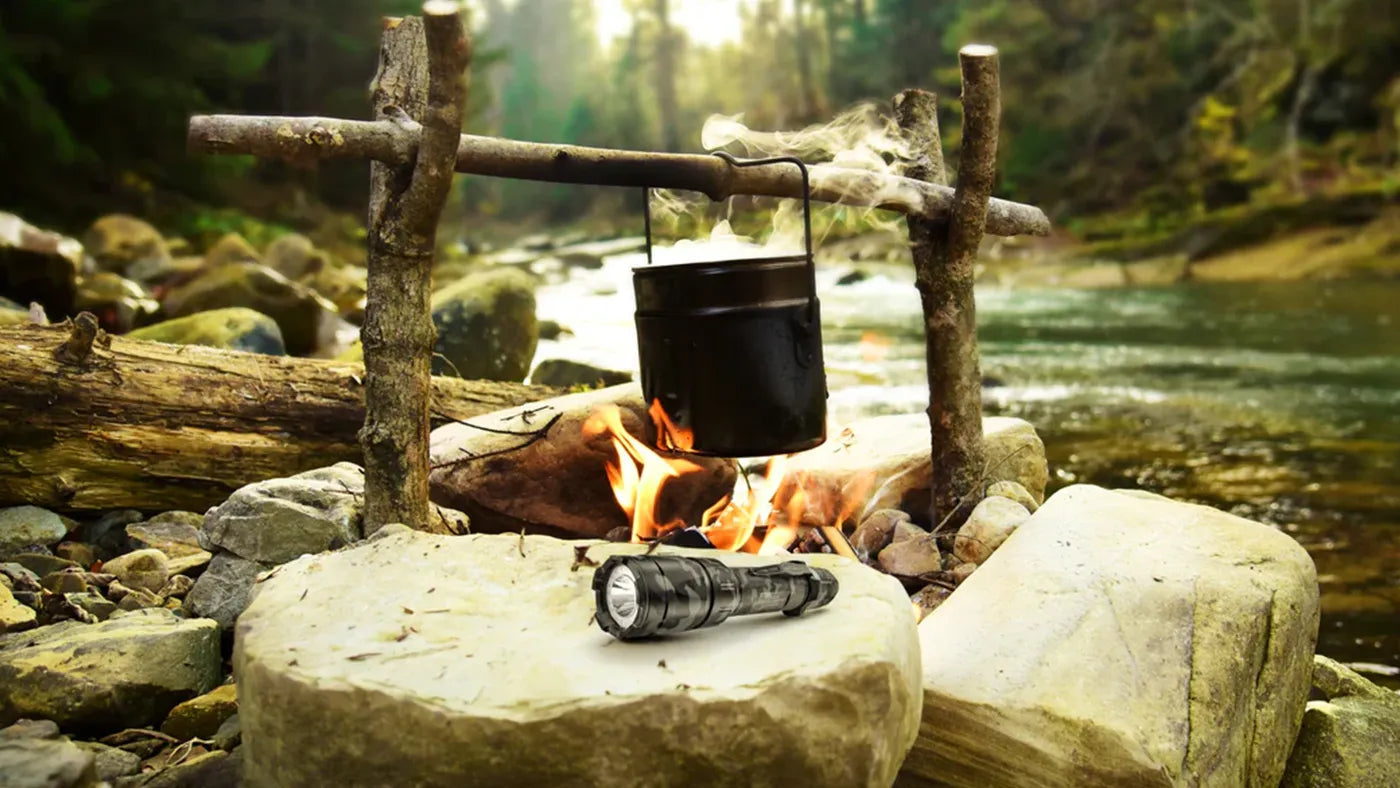
Best Flashlights for Camping
When we head into the woods, the right light can make the difference between a smooth, safe trip and a frustrating night. Choosing the best flashlight for camping means balancing brightness, runtime, durability, and features for the way we camp. In this guide, we'll walk through our top picks, explain what matters and why, test common use cases, and point out mistakes to avoid, so you end up with a flashlight that actually fits your trips, not one that looks good on paper.
Quick Picks: Best Camping Flashlights for Every Need
If you want fast recommendations before diving into details, here are our quick picks tailored to common camping needs.
Best Overall: SKYLAR 1000 Lumen Flashlight
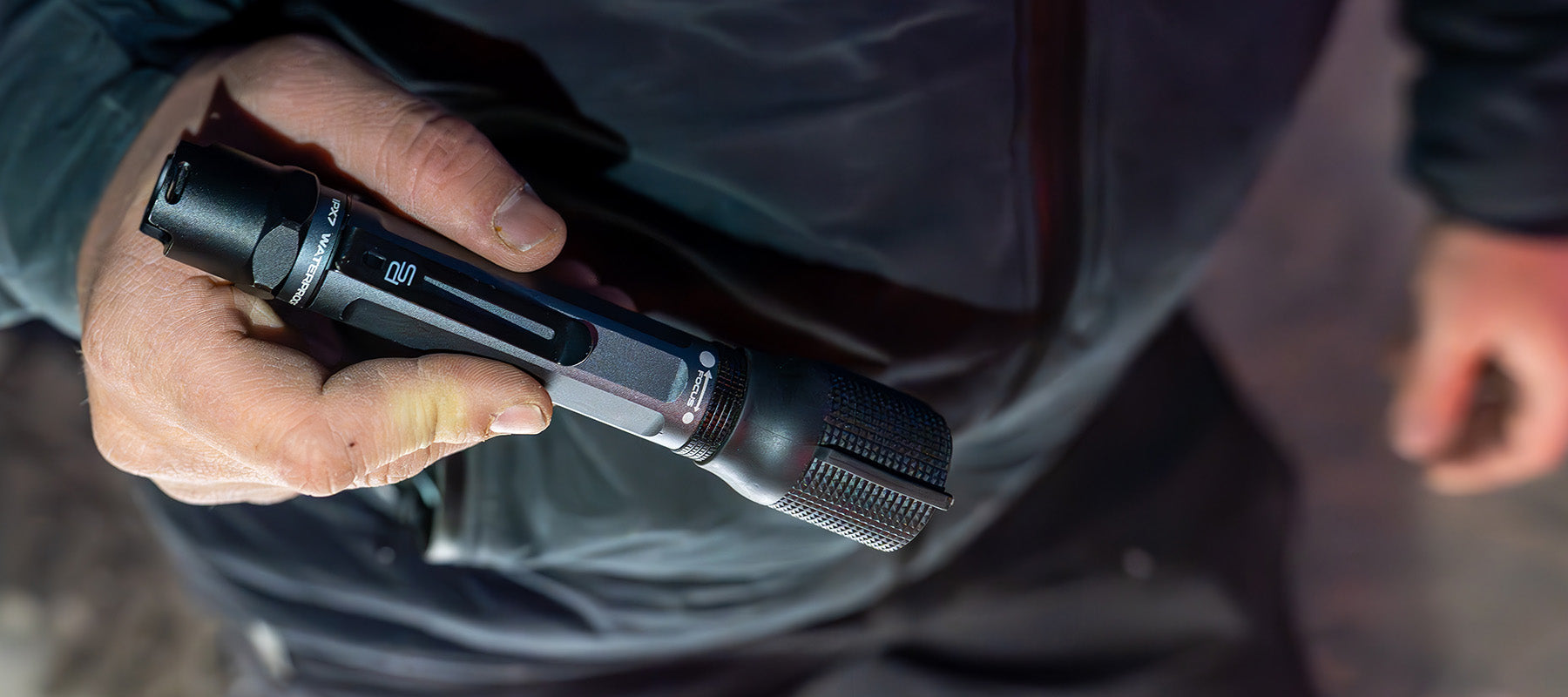
The SKYLAR 1000 delivers a balanced mix of power and practicality. Its 1,000-lumen max output lights trails and campsites clearly, while mid and low modes conserve battery for tent chores and map reading. We like its clear, consistent beam and the solid aluminum body that survived multiple drops in our field tests. It runs on 6 AAA batteries (included) and is backed by a limited lifetime warranty.
Best Value Pack: RADAR Flashlight 3 Pack
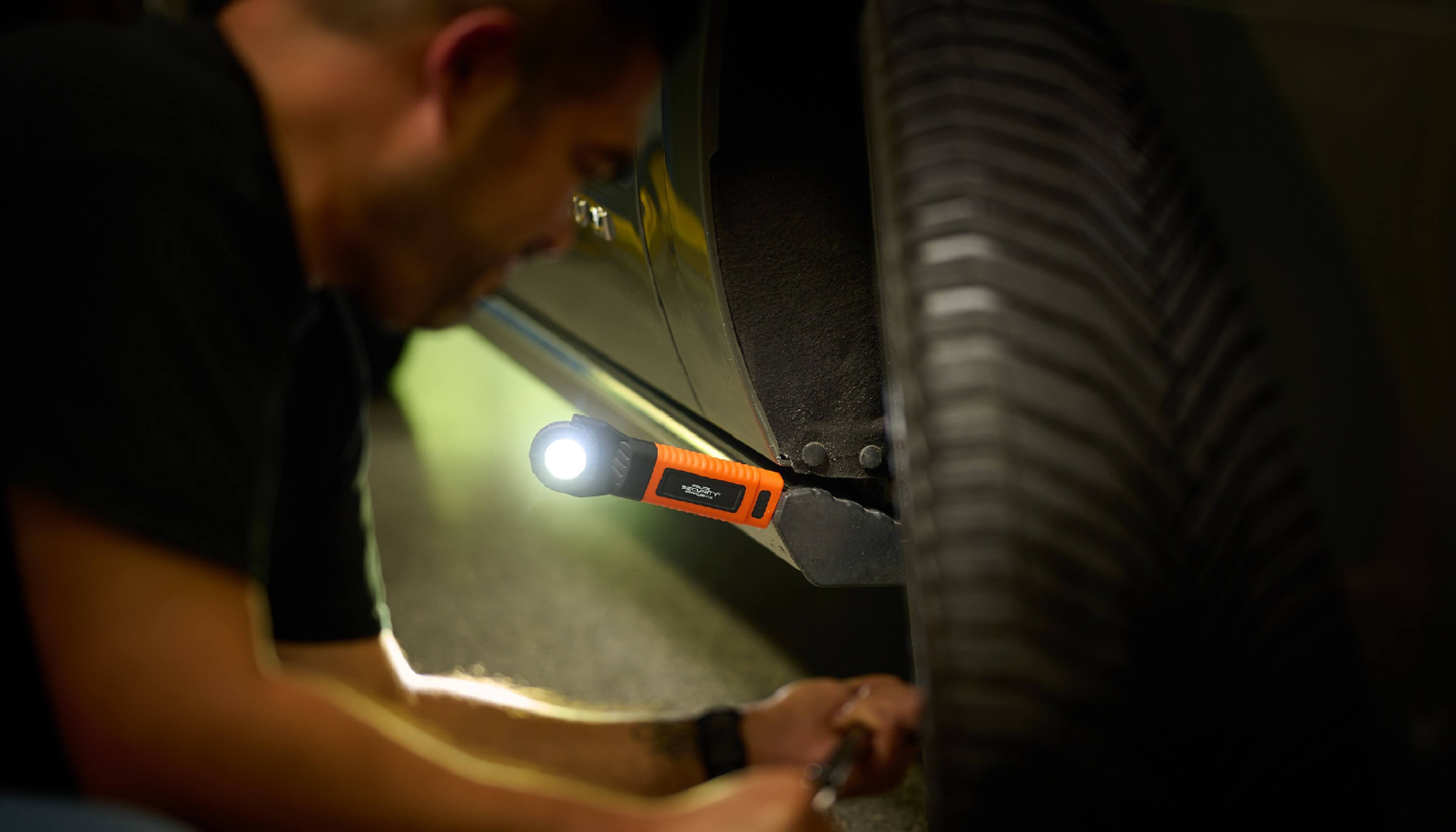
For groups, families, and everyday use, the RADAR 3-pack is a practical and budget-friendly choice. Each compact flashlight delivers 120 lumens with a 15-meter beam distance, making it ideal for close-range tasks like working under vehicles, organizing gear, or moving around camp at night. With a 5-hour max runtime and pocket-sized design, these lights are easy to carry anywhere. Each unit comes in a different color with a nylon lanyard for quick access and identification. Keeping one in your car, one in your pack, and one at home ensures you always have a reliable light when you need it.
Best for Emergencies: ALERT120™ Safety Alarm & Flashlight
ALERT120™ is built for safety-minded campers. It combines a 500-lumen flashlight with a powerful 120dB personal alarm and strobe light, making it a unique all-in-one safety tool. With a compact keychain design, it’s easy to attach to a backpack or gear for instant access in emergencies.
Best Tactical Option: CAMO TRAC TACT 350 Lumen with UV
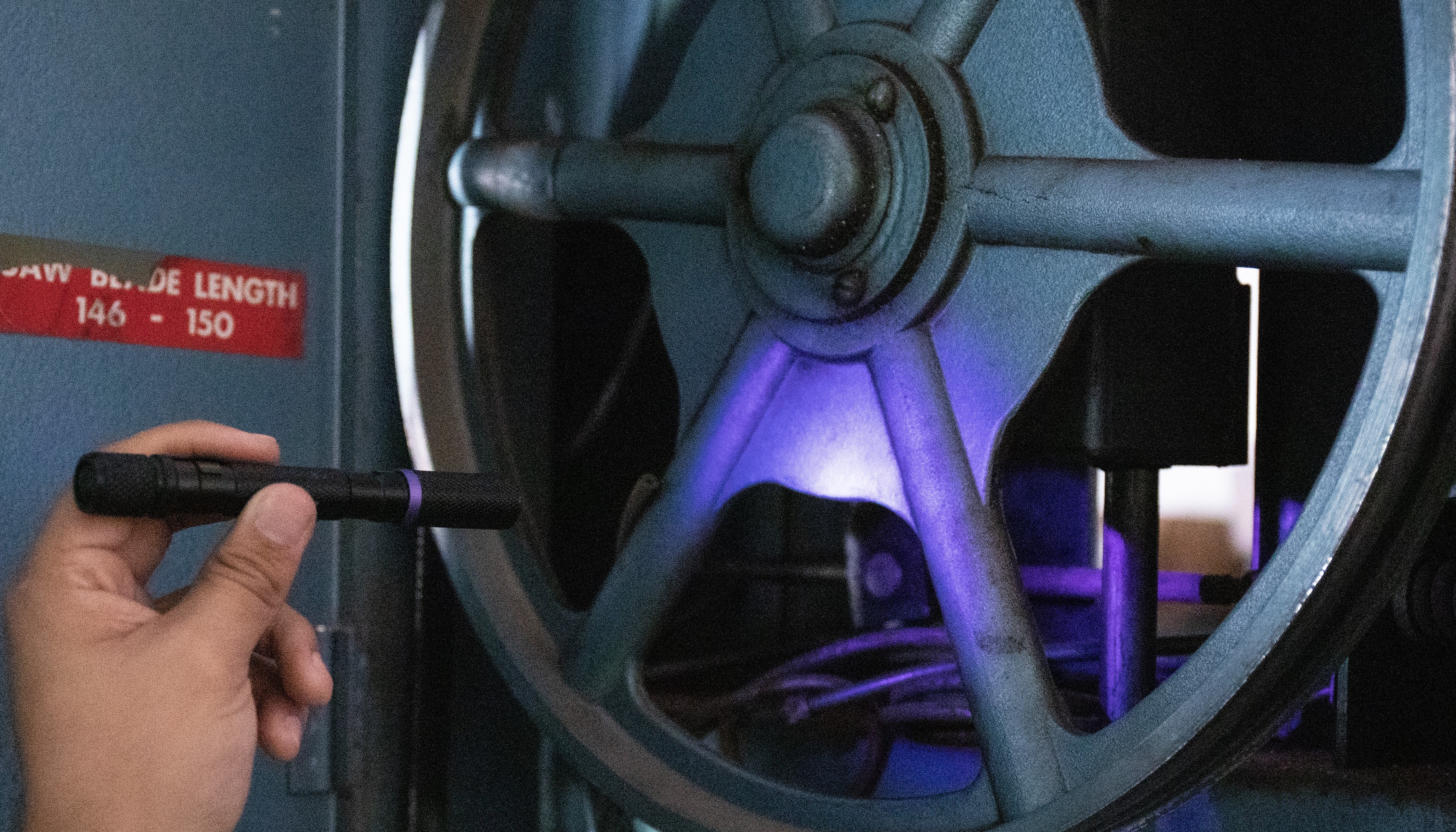
The CAMO TRAC TACT is a smaller, tactical-style flashlight with a focused beam and an integrated UV mode. It's handy for tracking, gear inspection, and outdoor use thanks to its 395nm UV light and red LED mode for preserving night vision. It’s a compact, rugged option built for more specialized camping and tactical needs.
Why Choosing the Right Camping Flashlight Matters
A flashlight is more than a brightness spec. The wrong light can leave us fumbling for headlamps, burning through batteries, or losing a tool at night. The right choice improves safety, spotting hazards, comfort, reading and cooking, and efficiency, conserving power. We consider beam quality, runtime, resilience to weather, and how a light integrates with our other gear. That's how a flashlight becomes an asset instead of an annoyance.
In-Depth Reviews: Best Police Security Flashlights for Camping
Below we break down the models we recommended earlier, highlighting practical pros and cons based on real-use observations and specs that matter for camping.
SKYLAR 1000 Lumen Flashlight Review
Pros: Strong 1,000-lumen peak, durable aluminum body, multiple modes, slide focus, water and impact resistance, runs on 6 AAA batteries, and backed by a limited lifetime warranty.
Cons: Heavier than ultralights and shorter max runtime at full power.
In the field we used the SKYLAR on trail approaches and cooking duty, the wide hotspot and spill make it versatile. For overnight hikes where we switch between high bursts and reserve modes, it's dependable. Expect up to 3 hours on high, 4 hours on medium, and 5 hours on low.
SCOPE Flashlight 3 Pack Review
Pros: Affordable, consistent performance, multiple units for redundancy, up to 600 lumens per light, batteries included, defaults to high mode for quick use, and splash-resistant construction.
Cons: Simpler battery system using 4 AAA batteries, fewer premium features.
For general campsite use, lighting the tent interior, walking short paths, or checking gear, the SCOPE set is ideal. We recommend storing one in the car and one in your day pack so you're never without light.
ALERT120™ Safety Alarm & Flashlight Review
Pros: Integrated 120dB alarm, bright strobe, 500-lumen flashlight, compact keychain design for quick access, rechargeable battery, up to 75 meters beam distance, and built for emergency signaling.
Cons: Slightly bulkier than single-purpose lights, alarm drains battery if accidentally triggered.
In emergency drills and roadside stops we appreciated the loud alarm and strobe, features that could attract attention quickly. Keep the unit charged if you rely on the alarm frequently.
ZEPHYR-R 1500 Lumen Rechargeable Flashlight Review
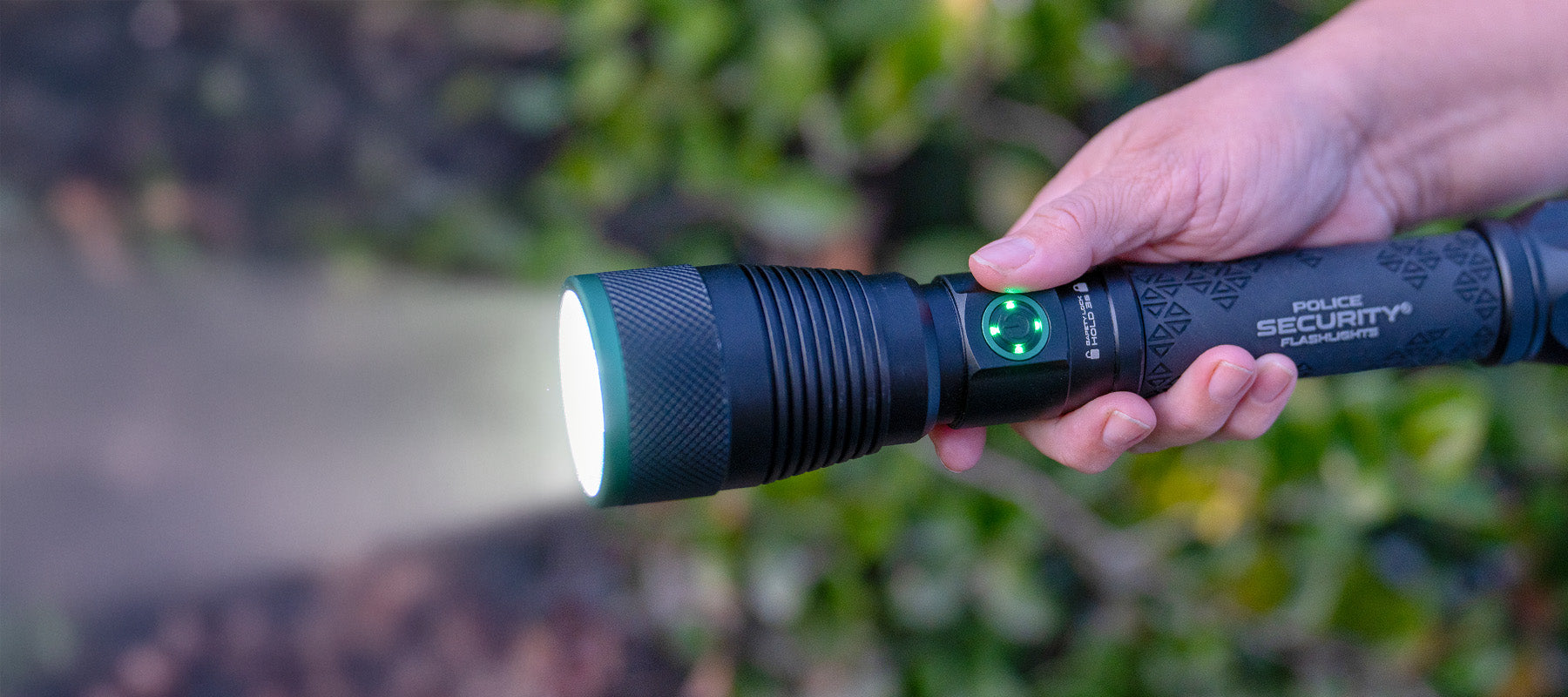
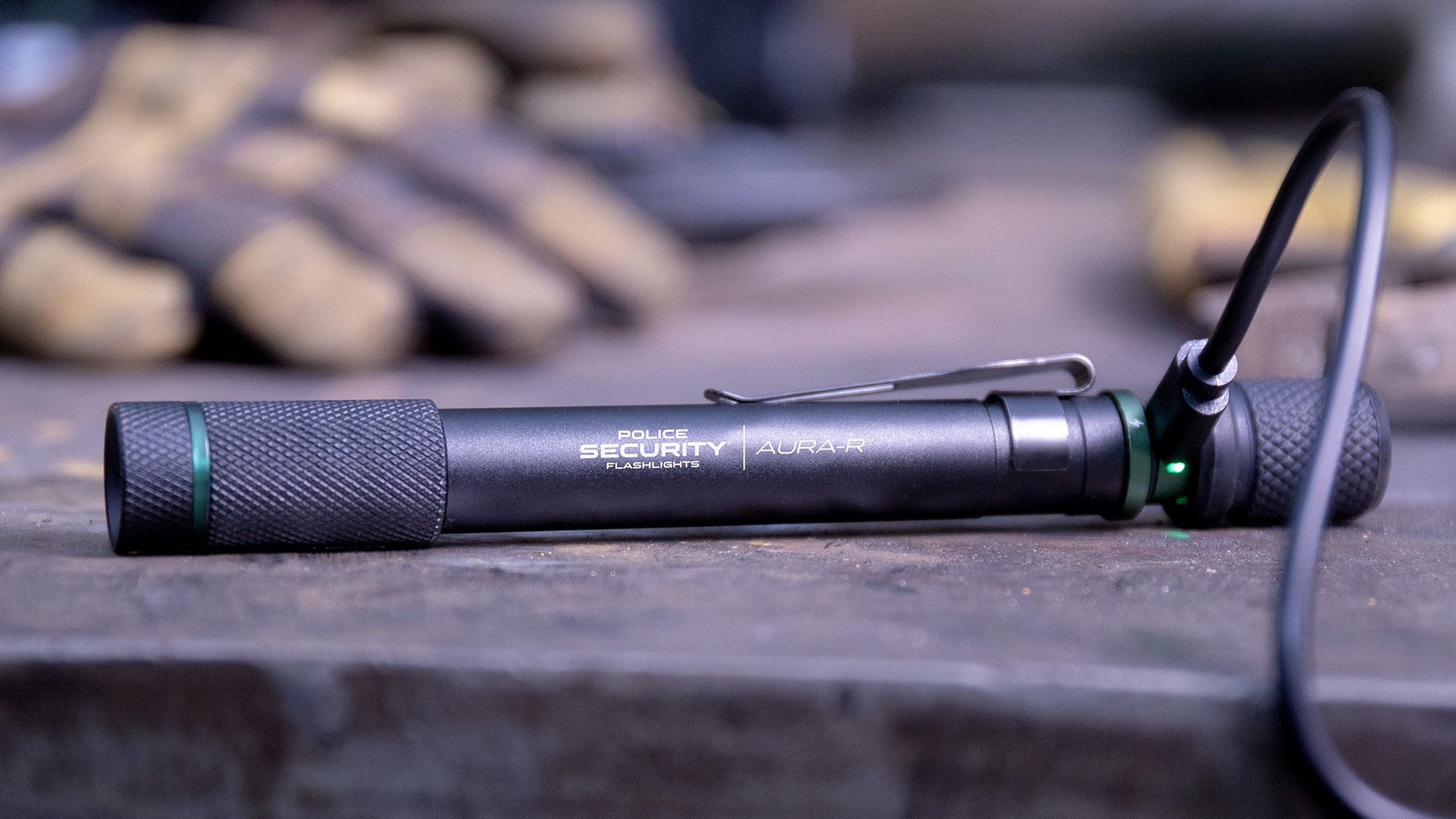
Pros: Powerful 1500-lumen output, 120-meter beam distance, USB rechargeable with included battery and USB-C cable, twist focus for adjustable beam control, silent switch for discreet use, durable impact- and water-resistant construction, and long 7-hour max runtime.
Cons: Higher output can drain battery faster on max mode, slightly larger than pocket-sized lights.
We used the ZEPHYR-R for trail navigation, campsite setup, and longer-range visibility where more power matters. The twist focus makes it easy to switch from wide-area lighting to a more concentrated beam, while the silent switch is a nice touch for low-noise environments. Its rechargeable design removes the need for spare batteries, making it a strong primary flashlight for camping, emergencies, or professional use.
and gear inspections. Its size makes it a great pocket carry or secondary light when hiking.
All Police Security flashlights featured here are backed by a limited lifetime warranty, adding an extra layer of reliability for camping, emergencies, and everyday use.
How to Choose the Best Flashlight for Camping
Choosing comes down to matching features to how we camp. Here are the essentials we evaluate when selecting a light.
Brightness Lumens What You Actually Need
Lumens measure total light output, but practical needs vary. For tent and campsite chores, 100 to 300 lumens is usually plenty. For trail work and signaling, 300 to 1,000 lumens gives room to spare. We avoid buying based on peak lumens alone, beam pattern and usable modes matter more for night tasks.
Battery Type and Runtime
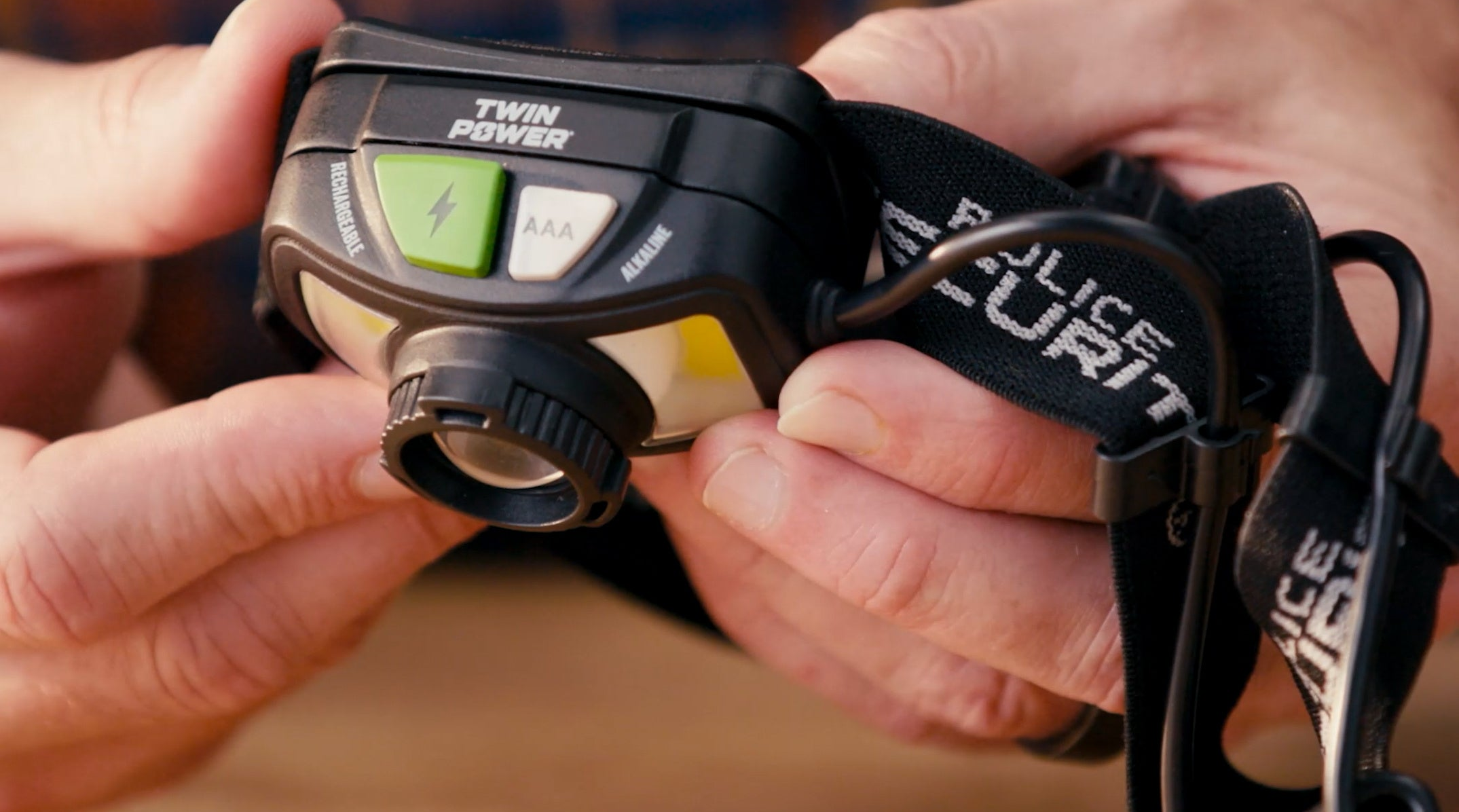
Rechargeable batteries are convenient and eco-friendly, while replaceable batteries such as AAA are easy to swap in remote trips. We prioritize units with clear runtime specs and a low-power mode that stretches multiple nights. Carrying a compact power bank solves many recharge concerns for rechargeable models.
Durability and Weather Resistance
Camping means drops, rain, and muddy pockets. Look for IPX4 at minimum, IPX7 or IP68 is better for heavy exposure. Anodized aluminum bodies resist dings and heat, plastic lights can be lighter but less impact-resistant. We also value lights with secure tail switches or mode locks to prevent accidental activation.
Size and Portability
Bigger flashlights deliver more lumens but weigh more. For backpacking, we choose compact, multi-mode lights or headlamps. For car camping, a larger handheld with longer runtime is often better. Decide where the light will live, pocket, pack, or glovebox, then choose accordingly.
Special Features That Make a Difference
Useful extras include strobe for signaling, red light for night vision preservation, lockout modes, USB charging, and magnetic bases for hands-free tasks. UV modes and integrated alarms are niche but valuable for specific needs. We weigh these options based on likely scenarios rather than buying bells and whistles.
Flashlight vs Headlamp vs Lantern: What’s Best for Camping
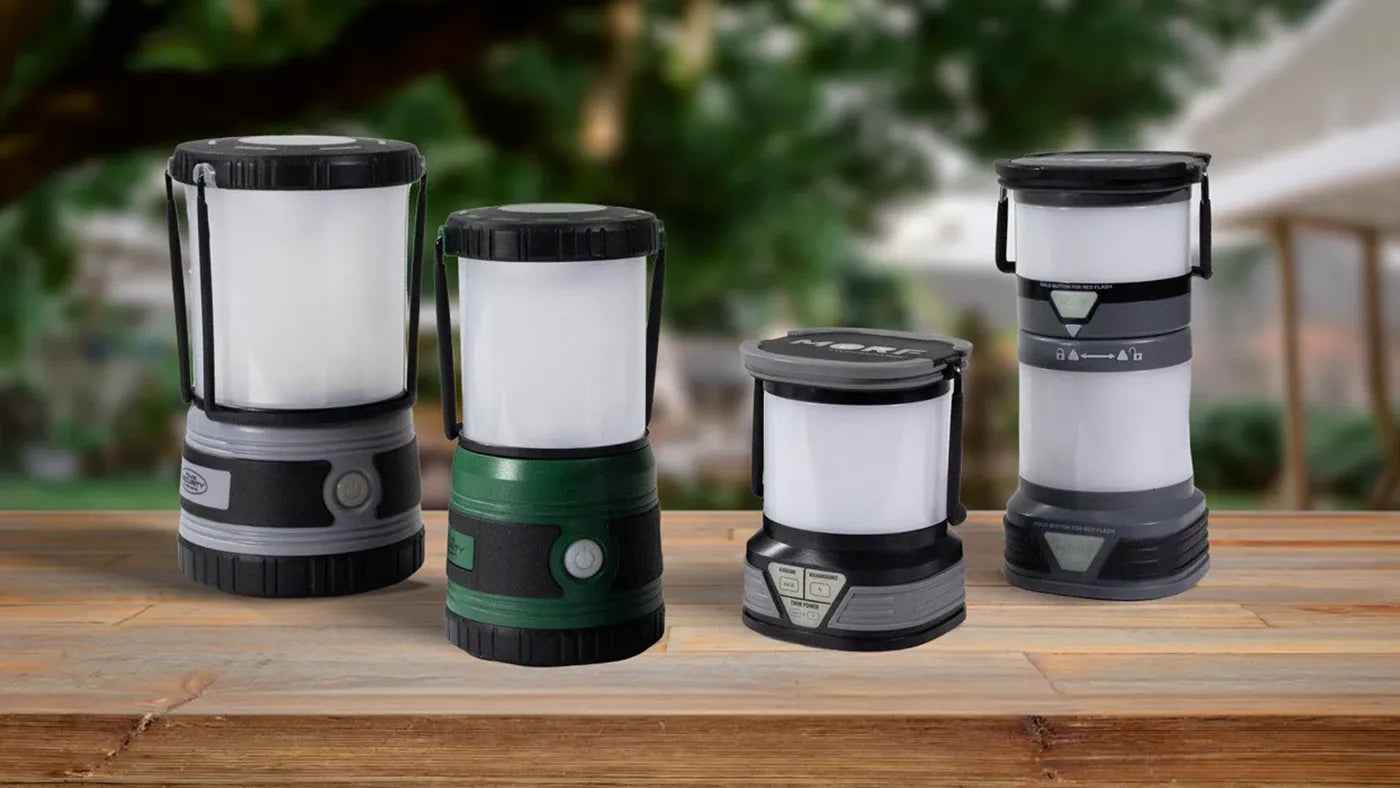
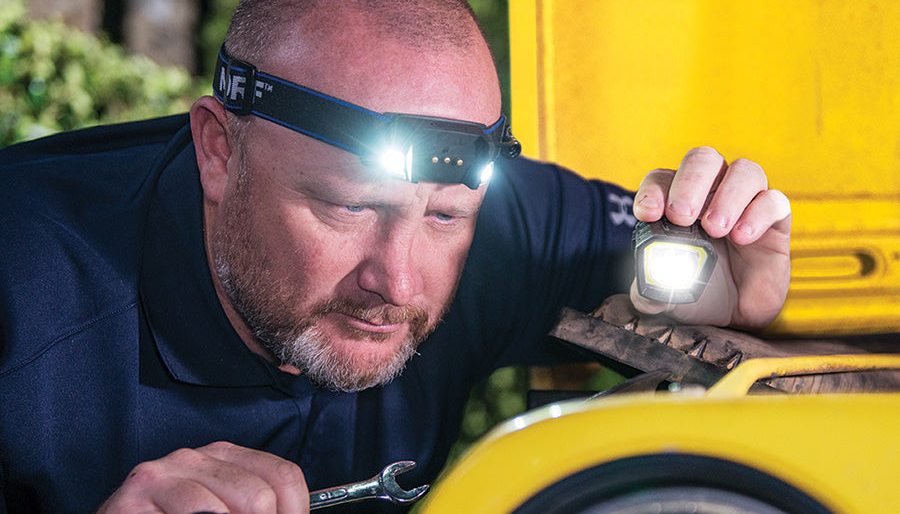
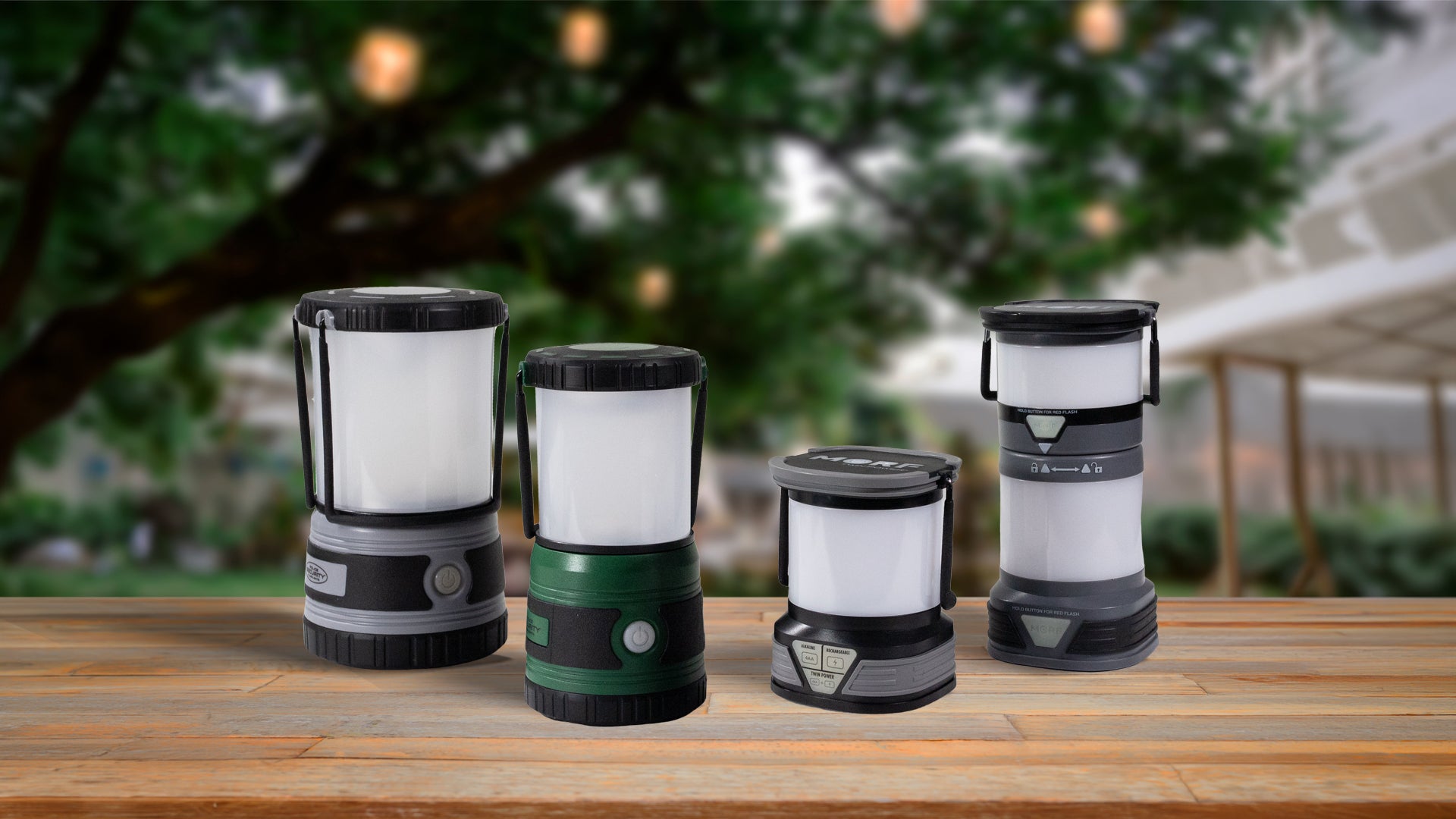
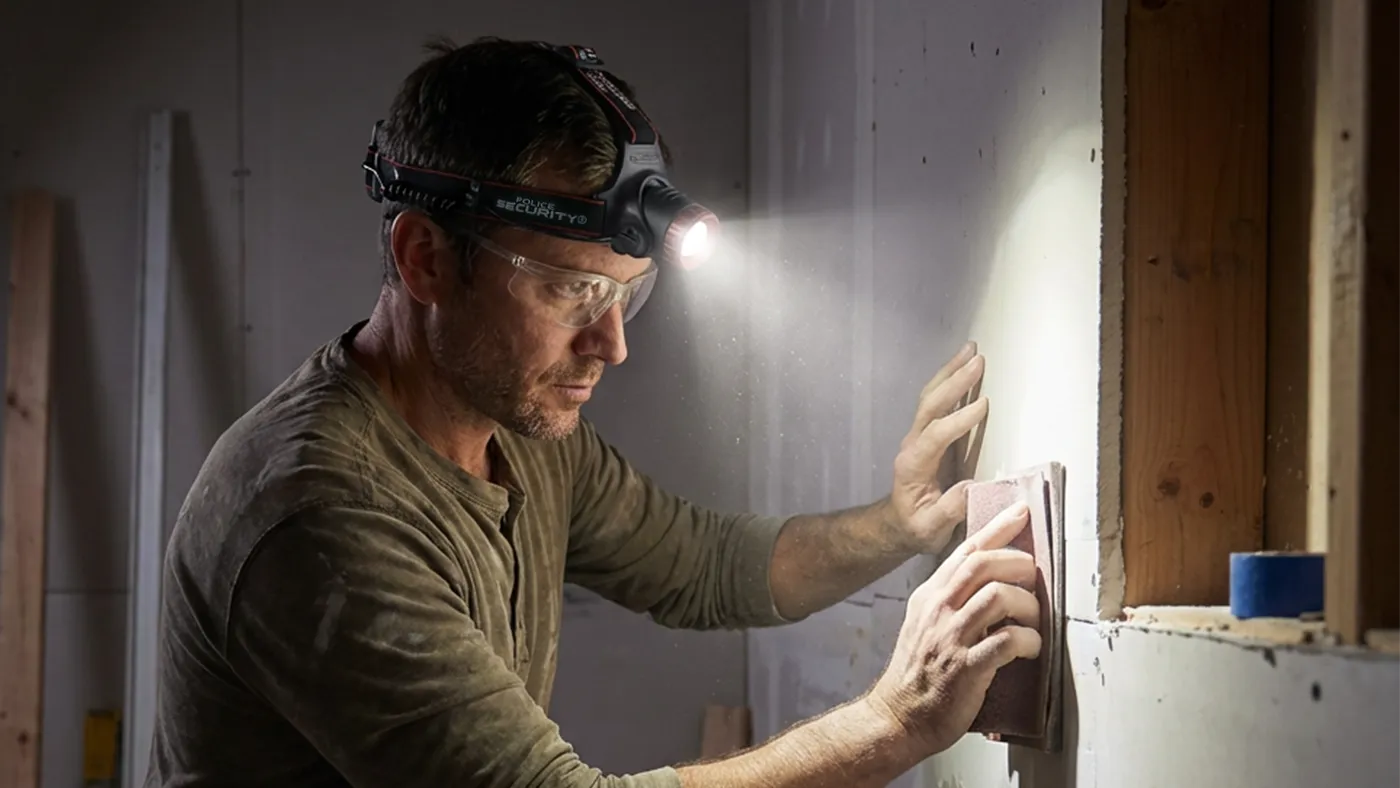
Each light type has strengths. Headlamps free our hands for cooking and setting tents, we usually bring a headlamp for detailed, close-up tasks. Flashlights are versatile for trail scanning and signaling. Lanterns provide even area light for the campsite and communal activities. In most trips we carry a headlamp as primary plus a flashlight as secondary, add a lantern for group trips.
Best Use Cases Which Flashlight Should You Choose
Match the light to the situation. Here's how we decide which model to use when.
For General Camping and Hiking
Choose a balanced flashlight with 200 to 600 lumens, a neutral tint, and USB charging if possible. It should be comfortable to hold for route-finding and campsite tasks.
For Families and Group Trips
We prefer value packs or multiple lights plus a lantern. Red light modes help preserve night vision for kids, and extra units prevent arguments at bedtime.
For Safety and Emergencies
Prioritize a light with strobe, alarm, and high-output burst. A waterproof, shock-resistant model with replaceable batteries ensures reliability when help might be delayed.
For Tactical or Outdoor Utility Use
Opt for compact, durable lights with focused beams, tail-switch operation, and modes like strobe and UV if you need them. We like lights that double as a tool for inspections and quick checks.
Common Mistakes to Avoid When Buying a Camping Flashlight
We've seen a few predictable errors campers make
● Buying solely for max lumen numbers without checking beam pattern or modes
● Choosing lights with poor waterproofing for wet climates
● Overlooking battery logistics, no charger or extra cells on long trips
● Forgetting a lockout feature and ending a trip with dead batteries from accidental activation
Avoid these by matching specs to real conditions and packing at least one backup light.
FAQs About Camping Flashlights
We answer the common questions we hear from campers and weekend hikers.
How many lumens do I need for camping
For most campsite tasks 100 to 300 lumens is sufficient. For trail use and signaling we recommend 300 to 1,000 lumens depending on terrain and distance. Think in terms of modes, ensure the light has an effective low mode for close tasks and a higher mode for distance.
Is 200 lumens enough
Yes for many uses. A 200-lumen light handles tent chores, stove work, and short trail sections. It won't illuminate long-distance features, but paired with a focused beam or headlamp it's often all we need.
Are rechargeable flashlights better
Rechargeable lights are convenient and cheaper over time. But in remote trips without access to power, lights using common disposable batteries can be more practical. We usually bring a rechargeable light plus spare disposable batteries or a power bank for flexibility.
What is the best flashlight for a tent
A compact flashlight with 100 to 300 lumens or a low-mode lantern works best inside a tent, enough light to read and move without glare. We often hang a lantern or use a headlamp with a dim red mode to avoid disturbing others.
What features matter most
Practical features include usable low modes, reliable battery type, waterproof rating, and a locking function. Extras like strobe, red light, UV, and magnetic bases are useful but secondary to core performance and reliability.
Final Verdict The Best Camping Flashlight for Your Needs
No single flashlight is perfect for every camper. If we had to choose one do-it-all unit, the SKYLAR 1000 lumen flashlight strikes the best balance for most trips, strong enough for trail work, with modes and durability for campsite life. For families or groups, a SCOPE 3-pack plus a small lantern covers nearly every scenario at a friendly price. For those prioritizing safety, ALERT120 adds signaling features that could matter in a crisis. And for compact tactical utility, the CAMO TRAC TACT gives us pocket-ready flexibility.
Eventually, we recommend matching lumens to tasks, prioritizing runtime and waterproofing, and carrying at least one backup light. With the right selection, our nights outdoors are safer, more enjoyable, and a lot less fumbling.